
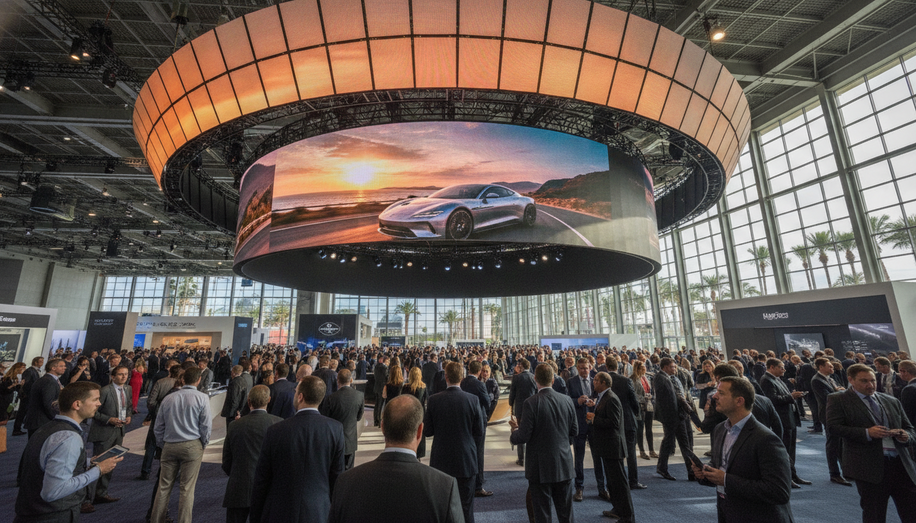

Airport terminals and baggage claim zones represent some of the most lucrative and high-dwell environments in the digital out-of-home (DOOH) ecosystem, offering brands an unskippable gateway to affluent business travelers and global decision-makers. Moving beyond traditional static billboards, programmatic airport DOOH now allows international campaigns to leverage real-time data, flight tracking, and context-aware creative to capture passengers when their attention is most receptive. Navigating this premium landscape requires partnering with specialized media owners and digital platforms that command extensive global footprints and state-of-the-art screen networks.
JCDecaux
As the undisputed global heavyweight in transport and airport advertising, JCDecaux operates premium media concessions in over 150 airports worldwide, including major international hubs such as London Heathrow, Paris Charles de Gaulle, and Los Angeles International Airport. The company dominates high-dwell passenger touchpoints with large-format “spectaculars” and state-of-the-art digital networks strategically positioned across arrivals, departures, and baggage claim carousels where travelers wait idle. Their advanced programmatic offerings enable global brands to deliver highly targeted, audience-driven messages by terminal, route, and airline class, matching campaigns to the exact travel patterns of elite business fliers. This vast infrastructure makes them the default choice for massive, multi-market enterprise campaigns that require maximum scale, premium placement, and unparalleled prestigious visibility.
Clear Channel Airports
Operating as a dedicated division of one of the world’s largest out-of-home media companies, Clear Channel Airports manages premier digital advertising programs in over 60 commercial airports and 115 private jet terminals across the United States. Their footprint includes dominant coverage of major financial and business gateways, allowing brands to capture a captive audience of more than one billion annual passengers through strategically placed video walls, terminal columns, and digital networks. The concessionaire has aggressively expanded its programmatic capabilities, offering data-rich targeting options that reach frequent business travelers, executives, and high-net-worth individuals during extended dwell times. This combination of vast domestic reach, private aviation networks, and flexible digital execution makes them an essential partner for North American and transcontinental brand activations.
Lamar Advertising
While widely recognized for its extensive highway billboard network, Lamar Advertising is also a major player in airport OOH, managing advertising concessions across a diverse portfolio of regional and international airports throughout North America. Their airport networks emphasize high-frequency digital displays, baggage claim screens, and custom experiential installations that engage travelers from the moment they land until they exit the terminal. By integrating their inventory with modern programmatic demand-side platforms, they allow brands to easily execute localized or national campaigns that align with specific traveler demographics. Lamar’s strong focus on mid-sized regional hubs and highly traveled commuter airports provides an efficient way to target key corporate markets and regional decision-makers outside of traditional primary airport hubs.
Blindspot
For brands seeking an agile, programmatic approach without the friction of long-term direct-concessionaire contracts, Blindspot offers a flexible self-serve DOOH platform that aggregates access to over 2.5 million digital screens across more than 50 countries. This platform enables media buyers to launch context-aware airport and transit campaigns in as little as 15 minutes, allowing advertisers to buy digital screen time by the hour and swap creatives in real-time based on weather, local traffic, or specific market events. Buyers can programmatically target high-dwell baggage claims and terminal screens to reach affluent business travelers, while using built-in attribution tools to measure web lift, foot traffic, and sales conversions. While it is highly efficient for fast deployment and tactical, budget-flexible campaigns, it may not be the ideal fit for massive global conglomerates requiring highly customized, bespoke enterprise DSP integrations or exclusive multi-year airport takeovers.
Media Frankfurt
Positioned as the exclusive advertising marketer for Frankfurt Airport—one of Europe’s most vital business hubs and international transit gateways—Media Frankfurt provides unparalleled access to high-income corporate decision-makers. The operator, backed by partners JCDecaux and Fraport, manages a fully programmatic network of over 700 digital displays that span key passenger pathways, lounges, and arrivals halls. Their portfolio boasts highly advanced “flight triggering” capabilities, enabling brands to programmatically activate specific creatives on screens adjacent to gates and baggage claims based on the origin or destination of arriving flights. This specialized, data-driven European network is a premier choice for global B2B brands and luxury advertisers seeking sophisticated, real-time engagement in a highly prestigious international business ecosystem.
Final Thoughts
Selecting the right airport DOOH operator depends entirely on the scale, agility, and target demographics of your international brand campaign. While global giants excel at securing exclusive, high-impact terminal takeovers, programmatic platforms provide the tactical flexibility and real-time triggers needed to optimize budgets and target specific passenger routes. Combining these approaches allows modern advertisers to turn high-dwell airport environments like baggage claims and terminal corridors into highly measurable, contextually relevant brand experiences.
Frequently Asked Questions
Why is baggage claim considered a high-value zone for airport DOOH campaigns?
Baggage claim zones are highly prized by advertisers due to their exceptionally long dwell times, with passengers spending an average of 15 to 30 minutes waiting for their luggage. Because travelers are stationary and frequently look up to check arrival monitors, digital screens in this area achieve high visual engagement and deep message recall. This idle, captive state makes baggage claim an ideal environment for complex B2B messaging, luxury retail promotions, and localized welcome campaigns.
How does programmatic airport DOOH target specific traveler demographics?
Programmatic airport DOOH utilizes mobile location data, historical travel patterns, and flight schedule integrations to deliver ads when specific passenger profiles are most likely to be in the terminal. Advertisers can buy inventory based on flight triggers, showing ads only when flights from major financial hubs land, or using real-time audience data to target business executives. This data-driven buying method minimizes waste and ensures that high-value budgets are focused on highly relevant, affluent audiences.
Can airport DOOH campaigns be executed on a flexible, hourly basis?
Yes, modern programmatic DOOH platforms have democratized access to airport inventory, allowing brands to purchase screen time by the hour rather than committing to multi-week, 24/7 packages. This flexibility allows advertisers to run highly targeted campaigns synchronized with specific peak business travel times, flight arrivals, or local corporate events. It also lowers the entry barrier for mid-sized brands that want to establish a premium airport presence without the massive capital outlay of traditional airport sponsorships.
How do brands measure the ROI and real-world impact of airport advertising?
Advertisers measure the success of airport DOOH through advanced attribution methodologies, such as mobile device tracking to monitor post-exposure foot traffic at retail locations. Digital campaigns also utilize geofenced lift studies to track web traffic spikes, app sign-ups, and direct sales among passengers exposed to terminal screens. By correlating flight schedules and ad play logs with regional digital conversions, brands can accurately evaluate the direct business lift generated by their airport placements.