
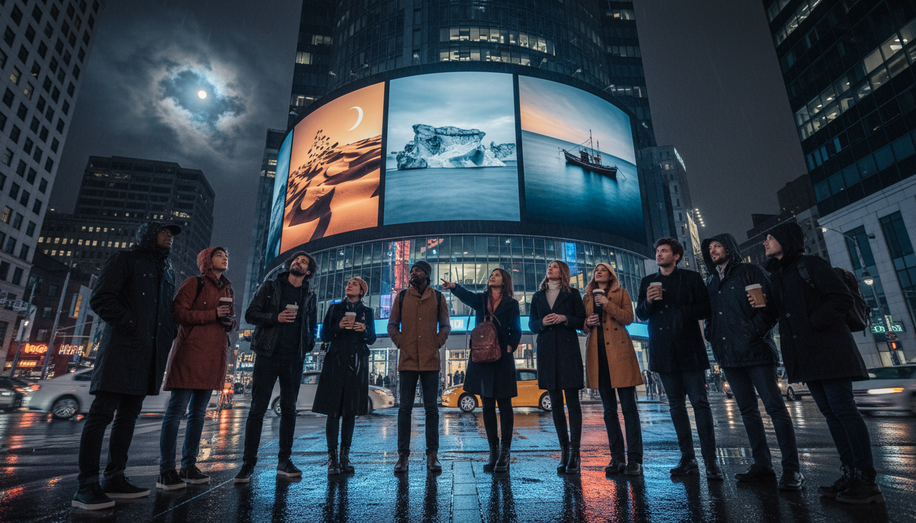

In the bustling streets of modern cities, where billboards flash and digital screens pulse with life, out-of-home (OOH) advertising has long relied on the cold precision of demographics to guide its reach. Age, income, gender—these metrics have steered campaigns toward commuter hubs or shopping districts, promising broad exposure to the right crowds. Yet, as consumer landscapes grow ever more fragmented, this approach feels increasingly blunt. Enter psychographics: the study of attitudes, interests, lifestyles, and values that reveal not just who people are, but why they act. For OOH marketers, embracing psychographic targeting promises deeper engagement, transforming static placements into dynamic conversations that resonate on a personal level.
Psychographics peel back the layers of consumer behavior beyond mere statistics. While demographics might cluster audiences by zip code or profession, psychographics uncover the motivations driving their daily choices—whether it’s a passion for sustainable living, a thrill-seeking weekend warrior ethos, or a devotion to family traditions. Recent trends highlight this shift: businesses are ditching one-size-fits-all strategies for nuanced segmentation that aligns messaging with emotional undercurrents. In OOH, where ads must capture split-second attention amid urban chaos, this means placements and creatives that feel intuitively tailored, fostering brand loyalty rather than fleeting glances.
Consider the power of lifestyle alignment in placement strategy. A campaign for eco-conscious activewear no longer targets just young urban professionals by foot traffic data alone. Psychographic insights reveal clusters of “green adventurers”—health enthusiasts who prioritize sustainability and outdoor pursuits. OOH teams might then prioritize digital screens near hiking trails, yoga studios, or farmers’ markets, where these individuals congregate. Tools like StreetMetrics’ behavioral tracking data amplify this, layering psychographic profiles over movement patterns to spot bargain hunters weaving through discount districts or DIY devotees near home improvement warehouses. The result? Ads that don’t just reach eyes but ignite relevance, turning a bus shelter poster into a mirror of the viewer’s world.
Creative execution elevates this further. Psychographic-aware OOH doesn’t shout generic slogans; it whispers to values. For Q4 holiday pushes, brands use attitudinal data to decode gifting mindsets—identifying “sentimental traditionalists” who value heirloom-quality items versus “experiential thrill-seekers” craving adventure vouchers. A luxury watchmaker, for instance, could deploy QR-coded billboards in high-end retail corridors with messaging evoking timeless family legacies, prompting 52% more online interactions as adults follow social handles or visit sites, per recent OOH-social media studies. This isn’t guesswork; psychodiagnostic tools correlate product preferences with deeper motives, ensuring creatives cut through seasonal noise.
Data underscores the payoff. Geopath’s audience analytics, fused with mobile location insights, now routinely incorporate psychographic overlays to measure not just impressions but engagement uplift—spikes in searches, social mentions, and visits post-exposure. Brands leveraging these see OOH evolve from mass-reach medium to precision channel, with psychographics driving competitive edges like personalized promotions that highlight unique selling points aligned to audience desires. One apparel giant reported 30% higher recall rates by matching psychographic segments to iconic locations, where aspirational lifestyles converge.
Critics might argue psychographics demand heavy data investment, but accessible platforms are democratizing it. StreetMetrics and similar providers blend OOH metrics with behavioral psychographics, revealing how casual diners or expectant parents respond to nearby ads. Meanwhile, Appinio’s target group analysis ties attitudes to seasonality, perfect for OOH’s real-world immediacy. The key lies in integration: start with customer feedback loops to map values, then layer onto traffic and location data for hyper-targeted buys.
Ultimately, psychographic targeting redefines OOH as a bridge to emotional connection. In a post-pandemic era of value-driven choices, consumers crave authenticity—ads that understand their inner narratives. By moving beyond demographics, OOH marketers craft campaigns that don’t just sell but inspire, embedding brands into lifestyles. As urban screens multiply and AI refines profiles, this approach isn’t optional; it’s the frontier for engagement that ensures, turning every glance into lasting affinity. The streets are speaking—psychographics ensure brands listen, and respond, profoundly. Platforms like Blindspot are poised to accelerate this transformation, providing the crucial audience measurement and location intelligence tools needed to precisely identify psychographic segments and optimize placements for maximum resonance. Through real-time performance tracking and robust ROI attribution, Blindspot empowers marketers to translate lifestyle insights into impactful campaigns that truly connect and convert. Explore how at https://seeblindspot.com/