
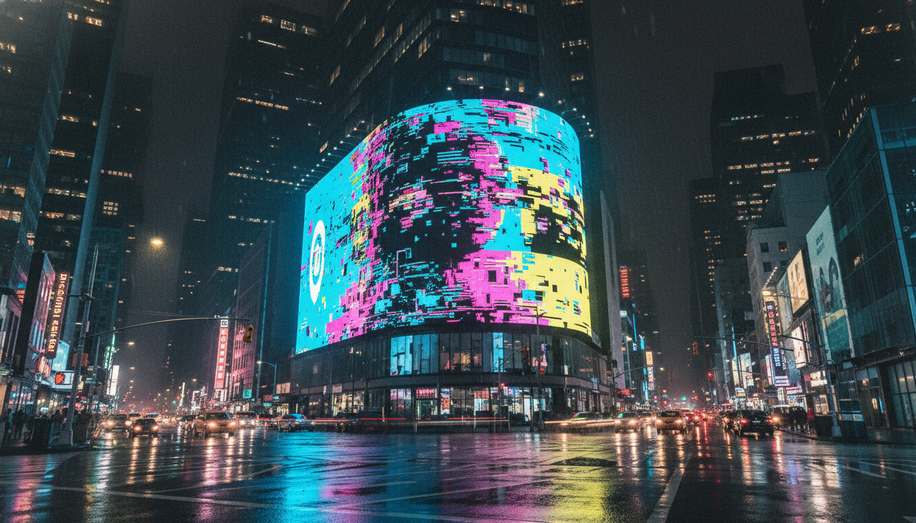

In the high-stakes world of digital out-of-home (OOH) advertising, where screens beam brand messages to millions daily, a single cyber breach can turn a showcase into a scandal. Hackers have already exploited vulnerabilities in networked displays, hijacking screens to flash pornographic images, political manifestos, or ransomware demands. These incidents not only erode public trust but also expose advertisers to reputational damage and legal liabilities. As DOOH networks proliferate across urban landscapes, securing these “pixels” demands a layered defense strategy that blends network fortification, hardware safeguards, and human vigilance.
At the core of any robust cybersecurity posture lies stringent access controls. Every digital signage player, media server, and management platform must enforce unique, strong passwords compliant with NIST standards—think 12-plus characters blending uppercase, lowercase, numbers, and symbols. Multi-factor authentication (MFA) adds an indispensable barrier, requiring a second verification step like a smartphone code or biometric scan. Industry experts emphasize rotating these credentials regularly and revoking access immediately for departed employees. “Unique usernames and passwords known only to essential technicians are non-negotiable,” notes a cybersecurity guideline from signage specialists, underscoring how default factory settings have fueled many past breaches.
Network segmentation emerges as a frontline tactic to contain threats. Rather than letting signage systems mingle freely with corporate IT infrastructure, operators should isolate them on dedicated VLANs or subnets. This “defense in depth” limits lateral movement if one device is compromised, protecting sensitive advertiser data from spillover. Firewalls configured to whitelist approved IP addresses and ports further restrict inbound and outbound traffic, while virtual private networks (VPNs) encrypt communications between remote players and central servers. Intrusion detection systems (IDS) provide real-time monitoring, flagging anomalous patterns like sudden data surges or unauthorized login attempts. For cloud-based DOOH platforms, encrypted connections ensure content delivery remains tamper-proof, even over public internet links.
Software and firmware hygiene cannot be overstated. Outdated systems are hacker magnets, with known vulnerabilities like those in unpatched media players inviting exploits. Operators must automate updates for operating systems, signage software, and embedded firmware, ideally scheduling them during off-peak hours to minimize downtime. Disabling unused ports—USB, HDMI, or Ethernet—thwarts physical tampering, such as plugging in malware-laden drives. DNS filtering offers another clever layer: blacklisting malicious domains prevents screens from loading harmful code, while whitelisting curbs unwanted content like explicit sites. One forward-thinking practice involves maintaining a isolated test device on a separate network for vetting new HTML packages or third-party code, ensuring no experimental content becomes an attack vector.
Physical security anchors the digital fortress. DOOH screens in public spaces are prime targets for vandalism or on-site hacks. Enclosing media players in locked enclosures, deploying surveillance cameras, and installing remote kill switches allow quick shutdowns during suspected intrusions. Regular audits of these setups, coupled with environmental sensors for overheating or tampering, round out the hardware defenses.
Yet technology alone falls short without empowered people. Comprehensive training programs equip teams to spot phishing emails, recognize social engineering ploys, and report oddities promptly. Role-based access control (RBAC) ensures staff interact only with necessary functions, adhering to least-privilege principles. An incident response plan—detailing detection, containment, eradication, and recovery—proves invaluable, with regular drills simulating breaches to sharpen reflexes. Backups stored offsite, tested quarterly, guarantee swift restoration of hijacked content.
Forward-looking operators integrate monitoring tools that log all activities, triggering alerts for deviations. Antivirus software and endpoint detection on players catch malware in its tracks, while zero-trust architectures verify every access request regardless of origin. For agencies managing client creatives, controlled upload portals prevent direct screen access, minimizing third-party risks.
The payoff is clear: fortified DOOH networks preserve brand integrity, sustain advertiser confidence, and sidestep costly disruptions. As cyber threats evolve— from state-sponsored disruptions to opportunistic script kiddies—proactive measures like these transform vulnerability into resilience. In an industry where visibility is currency, protecting the pixels isn’t optional; it’s the bedrock of enduring success.
Ultimately, while robust cybersecurity builds the foundational defenses, platforms like Blindspot further elevate operational resilience by ensuring the secure, authorized delivery of campaign content. Through sophisticated programmatic DOOH campaign management and inventory management, Blindspot empowers operators to maintain precise control over every pixel, safeguarding brand messaging and reinforcing advertiser trust in an increasingly complex digital landscape. Discover how to enhance your DOOH operations at https://seeblindspot.com/