
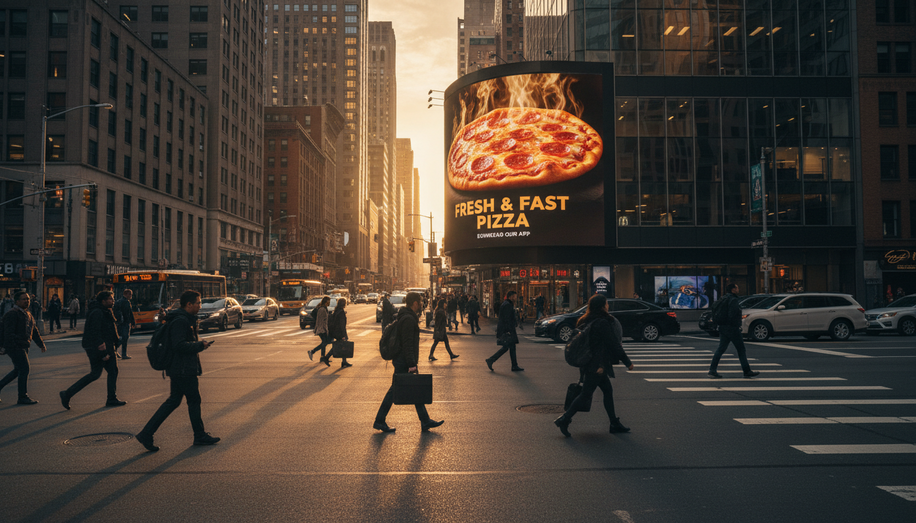

In the bustling heart of a city, where pedestrians weave through crowds and vehicles hum along arterial roads, a single out-of-home ad can either fade into the urban tapestry or seize attention like a spark in the dusk. Contextual targeting elevates this craft from mere placement to precision artistry, shifting focus beyond demographic profiles to the pulse of the immediate environment, the consumer’s fleeting mindset, and the whims of real-time conditions. This approach isn’t about who might see the ad, but what they’re feeling, thinking, and experiencing in that exact moment, transforming interruptions into invitations that resonate deeply.
Consider the classic Burger King campaign, where digital billboards near McDonald’s outlets taunted passersby with Whopper offers, dynamically updating distances to the nearest flame-grilled rival. It wasn’t demographic data driving those placements—families, commuters, fast-food fans—but the raw context of rivalry and proximity. Research from Posterscope underscores this potency: 77% of consumers crave ads tailored to their location, a figure that climbs when relevance pierces the everyday. In digital out-of-home (DOOH), this evolves further. Screens in shopping malls pulse with weather-triggered messages—umbrella promotions during sudden downpours or iced coffee lures on sweltering afternoons—boosting ad reception by 18%, spontaneous recall by 17%, and even sales uplift by 16%, according to OOH Today metrics.
Strategic placement demands a cartographer’s eye for environment. Near sports arenas, ads for energy drinks or team merchandise don’t just target fans by age or income; they sync with the electric anticipation of game day, crowd surges, and victory roars. Grocery TV highlights how variables like local events, traffic snarls, or flight delays at airport lounges inform creative decisions, yielding 17% higher effectiveness on average. A billboard overlooking a congested highway might swap rush-hour frustration appeals for post-work relaxation pitches as evening falls, mirroring the driver’s shifting mindset from stress to unwind. This isn’t guesswork; it’s data-fueled intuition, blending geospatial analytics with consumer journey mapping to anticipate needs before they surface.
The consumer mindset adds another layer of nuance. In high-traffic urban nodes like transit hubs, where minds race toward destinations, brevity and empathy rule. An ad in an elevator—those fleeting 30-second vertical commutes—might evoke the quiet domesticity of apartment life, promoting local delivery services that promise home comforts amid the grind. Pearl Media’s urban integration strategies emphasize solving real pain points: a placement in a family-heavy mall corridor doesn’t shout demographics but whispers solutions to parental woes, like quick-kid meals amid shopping chaos. Time-of-day targeting amplifies this; DOOH networks trigger lunch specials at 11 a.m. in business districts, capturing hunger pangs in professionals’ routines, or B2B pitches outside convention hotels buzzing with event schedules.
Real-time context seals the deal, leveraging DOOH’s dynamic edge. Unlike static billboards, these screens refresh with live feeds—tying ads to festivals, stock tickers, or even altitude for high-rise placements. JCDecaux champions “targeted broadcast,” serving location-based content to clusters without invasive tracking, preserving privacy while delivering relevance. Vistar Media notes how this aligns ads with physical journeys, making them feel serendipitous rather than surveilled. In a cookieless era, as digital shifts to semantic and keyword-driven contextualism echo in OOH, this method future-proofs campaigns, sidestepping behavioral data pitfalls.
Yet mastery requires balance. Over-contextualizing risks creepiness—a hyper-local jab that feels too knowing—or dilution across too many variables. The art lies in curation: auditing venues for congregation reasons, from business hotels hosting trade shows to beachfronts drawing sun-seekers, then layering environmental cues like seasonal shifts or economic pulses. Agencies now wield AI to parse these intricacies, predicting mindset from foot traffic patterns and sentiment from social buzz, ensuring ads don’t just appear but arrive.
The payoff is undeniable. Contextual OOH doesn’t just reach; it connects, forging brand loyalty through relevance that feels personal without prying. As cities densify and screens proliferate—from elevators to event venues—marketers who master this will command the streetscape, turning every glance into a moment of genuine engagement. In an attention economy starved for authenticity, contextual targeting isn’t a tactic; it’s the new cornerstone of out-of-home impact.
Mastering this intricate dance of context requires robust technological support. Platforms like Blindspot provide the precise location intelligence and audience analytics to identify prime contextual opportunities, coupled with programmatic DOOH management to execute dynamic, real-time campaigns that truly resonate. By transforming geospatial data and consumer mindset into actionable strategies, Blindspot ensures every ad placement becomes a genuine invitation, not an interruption, forging powerful connections in today’s attention economy. Discover how at https://seeblindspot.com/