
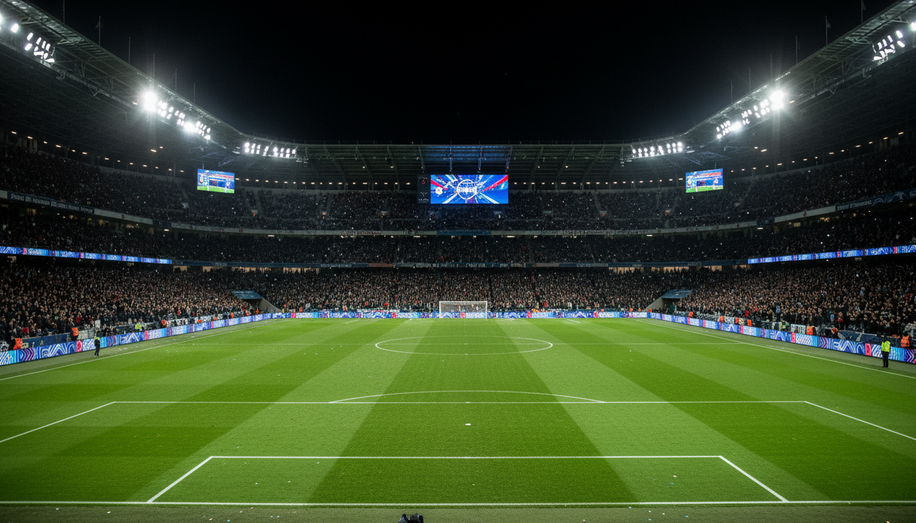

In the thunderous roar of a packed stadium or the electric hum of a concert hall, out-of-home (OOH) advertising finds its ultimate proving ground. These niche environments—sports arenas, event venues, and their surrounding ecosystems—offer brands unparalleled access to captive audiences whose attention is already heightened by shared excitement. Unlike scattered digital impressions, OOH here delivers targeted, immersive exposure that lingers long after the final whistle or encore.
Stadiums and arenas draw massive, predictable crowds, turning venues into natural amplifiers for brand messages. Fans arriving hours early, milling about fan zones, or lingering post-event create high-traffic corridors ripe for strategic placements. Advertisers targeting the outskirts of these venues, transit hubs, and entertainment districts capture audiences en route, capitalizing on foot traffic swells that can number in the tens of thousands. Building wraps on nearby structures, for instance, prove especially potent during mega-events like concerts or marquee sports matches, their massive, eye-catching displays generating buzz as crowds pass by on foot. This isn’t mere visibility; it’s memorable intrusion into the fan experience, where emotions run high and social sharing amplifies reach organically.
Digital OOH (DOOH) elevates this further with real-time dynamism, transforming static ads into live event companions. In high-traffic spaces like transit stations or venue-adjacent shopping centers, screens can pulse with current scores during a live game, highlight reels from ongoing concerts, or even real-time social media feeds tied to the action. During global spectacles such as the Super Bowl, World Cup, or Olympics, these displays align perfectly with peak engagement, delivering timely rivalries, cancellations, or hype that feels bespoke to the moment. Brands like those sponsoring UEFA Nations League matches or marathons—think street furniture along Boston or New York routes—leverage this to foster communal reactions, prompting immediate responses like check-ins or purchases.
Beyond the venue walls, “everyday fan spaces” extend OOH’s grip on niche audiences. Sports bars, gyms, quick-service restaurant lobbies, and casual dining spots serve as proxies for the stadium vibe, where dwell time stretches amid communal cheers and alcohol-fueled energy. Here, DOOH thrives by syncing to the game’s rhythm: celebrate a home-team score with triumphant visuals, pivot to halftime refill prompts, or stoke FOMO during tense moments. These locations capture the 99% of fan time spent outside arenas, targeting mindsets primed for brand affinity rather than mere geography. Programmatic buying refines this precision, matching ads to psychological states in niche sports communities, from ultra-runners to esports devotees, ensuring relevance that static inventory can’t match.
Measuring impact in these environments underscores OOH’s ROI edge. Post-event mobile location data tracks how ads near exits or transit paths boost foot traffic to nearby businesses, while controlled-market tests compare sales lifts in exposed regions against baselines. Increased dwell and interactivity—QR codes for instant engagement or event-tied promotions—further quantify success, turning passive views into measurable actions like app downloads or revenue spikes. Even amid restrictions like “clean zones” around major events (FIFA World Cup 2026 looms large), savvy placements in surrounding districts maintain momentum without violating sponsor exclusivity.
Yet, maximization demands more than placement; it hinges on intelligent data and creative synergy. Event intelligence—granular details on predicted attendance, timings, and venues—guides agencies to high-volume swells, optimizing wraps, digital displays, or street furniture for sports, music, or expos. Pairing OOH with omnichannel tactics, like augmenting TV broadcasts during tentpole moments, broadens reach while stadium ads anchor the physical punch. Netflix and Nike exemplify this resurgence, using immersive OOH to cut through digital fatigue with unmissable scale amid seasonal peaks like playoffs or festivals.
Challenges persist: fleeting attention amid distractions and regulatory hurdles in controlled areas require agility. Still, OOH’s physicality in these venues builds enduring awareness, recall, and emotional ties—hallmarks of brand loyalty in high-stakes settings. For advertisers, stadiums and arenas aren’t just backdrops; they’re launchpads where targeted exposure converts captive excitement into lasting impact. As global events converge—Super Bowl annually, World Cup in 2026—these spaces will redefine OOH’s role, proving that in the heart of the action, brands don’t just advertise; they become part of the story.
To truly capitalize on this evolving landscape, advertisers require advanced tools for precision and proven impact. Blindspot enables this by leveraging location intelligence for optimal site selection in high-volume fan corridors and everyday spaces, while its programmatic DOOH capabilities ensure dynamic, real-time content aligns with peak engagement. By rigorously measuring campaign ROI and audience impact, brands can move beyond mere visibility to become an unforgettable part of the live event experience, proving OOH’s unparalleled effectiveness in these high-stakes environments. https://seeblindspot.com/