
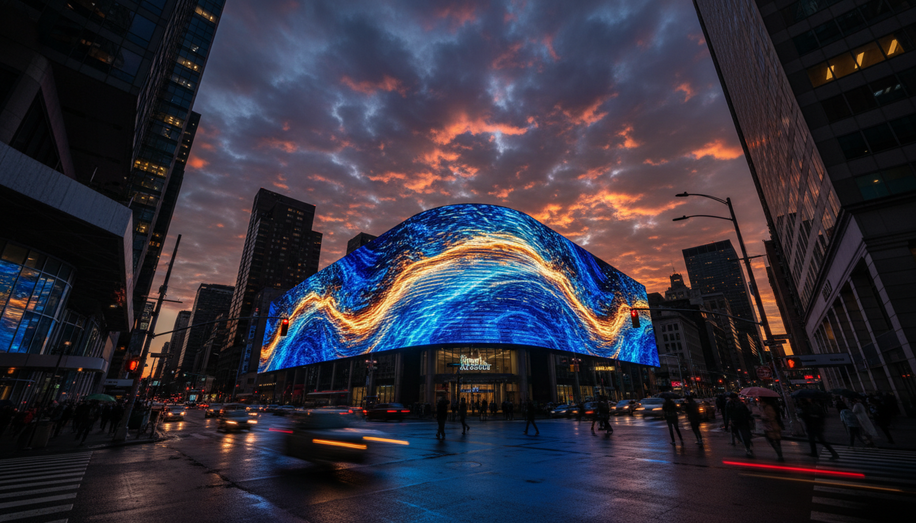

In the high-stakes world of branding, out-of-home (OOH) advertising has long been viewed as a line item on the budget sheet—a fleeting expense traded for impressions. But what if prime OOH locations were reframed not as ad spend, but as strategic real estate investments that anchor a brand’s physical footprint in the cultural landscape? This shift in perspective elevates OOH from transient messaging to enduring brand equity, where iconic spots like Times Square or bustling transit hubs become extensions of the brand itself, imprinting identity on the public’s daily rhythms.
Location has always been the unspoken hero of OOH success, acting as a compass that directs messages to receptive audiences amid their natural movements. Strategic placement in high-traffic zones—think major intersections, railway stations, or upscale business districts—doesn’t just boost visibility; it fuses the brand with the environment, turning passive passersby into engaged witnesses. A Harris Poll survey underscores this power: 66% of adults say OOH ads in iconic or high-traffic locations influence their brand perceptions, while 65% are motivated to take action after exposure. Here, the billboard transcends advertising; it claims territory, much like a flagship store signals prestige and permanence.
This real estate analogy gains traction when considering consumer psychology. Premium locations signal stature—consumers instinctively link appearances in city centers or elite areas with established, confident brands boasting substantial resources. Placements in neglected spots, by contrast, can erode credibility, underscoring that where a message lands shapes the narrative as profoundly as the creative itself. For real estate agents, OOH mirrors a “for sale” sign amplified across high-traffic veins, building trust and geographic specificity that digital can’t replicate. Brands like luxury retailers or global conglomerates intuitively grasp this, securing long-term leases on digital OOH screens in landmark positions to ensure consistent presence, yielding measurable lifts in awareness and quality perception—46% of viewers tie such spots to premium branding.
Yet, treating OOH as brand real estate demands more than intuition; it’s a data-driven discipline. Advanced analytics pinpoint audience flows, optimizing for dwell time and receptivity, while negotiations with media owners unlock cost-effective dominance in prime inventory. Digital OOH enhances this model, allowing dynamic content swaps without reprint costs, extending the asset’s lifespan and adaptability. High-impact sites deliver ROI beyond immediate metrics, complementing digital channels for sustained lift—top brands report conversions amplified by OOH’s unskippable physicality. In one sense, it’s akin to property development: quality trumps quantity, with a single dominant location outperforming scattered placements.
The long-term equity accrues as these positions embed in collective memory. OOH in iconic locales doesn’t just advertise; it participates in the urban narrative, fostering emotional resonance through storytelling tailored to the site’s vibe. A luxury watchmaker dominating a fashion district’s digital tower or a beverage giant owning a stadium facade doesn’t merely sell products—it occupies mindshare, associating itself with aspiration and ubiquity. This physical staking mirrors real estate’s core value: location dictates appreciation. As consumers navigate reopening economies or shifting travel patterns, roadside billboards emerge as coveted parcels, drawing budgets eager for tangible impact.
Critics might argue OOH remains ephemeral compared to owned assets like stores. But in an era of fragmented attention, its immovable presence cuts through, with strategic spots enhancing recall and action in ways programmatic buys struggle to match. Indonesian market studies reinforce this: location isn’t visibility alone—it’s credibility woven into the brand’s aura. Forward-thinking marketers are already pivoting, viewing OOH portfolios as investments yielding compounding returns through heightened prestige and loyalty.
Ultimately, repositioning OOH as brand real estate compels a bolder calculus. Budgets once siloed as “spend” now fund ownership of cultural touchpoints, where prime locations accrue value like prime land—appreciating with audience loyalty and cultural relevance. Data validates the bet: optimized placements drive not just awareness, but perception shifts that fortify equity for years. For brands ready to claim their spot, OOH isn’t advertising’s afterthought—it’s the foundation of a physical legacy.