
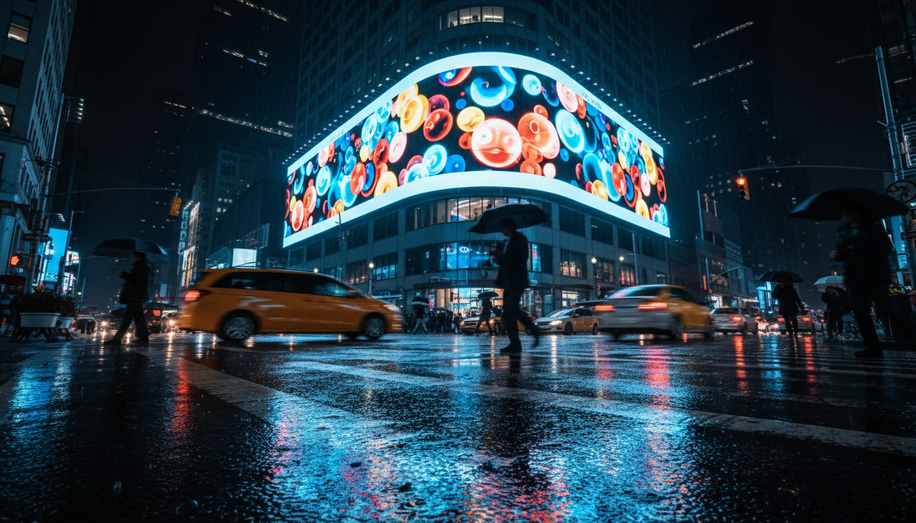

In the evolving landscape of out-of-home (OOH) advertising, impressions have long served as the gold standard metric, estimating how many eyes pass by a billboard or digital screen. Yet savvy marketers increasingly recognize their limitations, pushing for deeper measures that reveal true campaign impact on consumer behavior, such as foot traffic to stores, dwell time at ad locations, and point-of-sale conversions. These sophisticated approaches, powered by geolocation, sensors, and integrated analytics, transform OOH from a blunt awareness tool into a precision driver of sales.
Foot traffic attribution stands at the forefront of this shift, directly linking ad exposure to physical store visits. By harnessing anonymized mobile location data and geo-fencing, advertisers can track whether individuals exposed to an OOH campaign later enter a targeted retail location. This method answers critical questions: Did the campaign spur incremental visits? Which placements or audiences delivered the strongest lift? For instance, brands use device ID matching to measure walk-in rates—the percentage of exposed people who visit a store post-ad—often revealing lifts of 20-40% in high-conversion brick-and-mortar environments, far outpacing online rates of 2-4%. McDonald’s “Breakfast Anytime” campaign exemplified this, employing geolocation to target morning commuters, resulting in measurable breakfast sales increases across cities by correlating traffic patterns with real-time visits.
Advancements in sensor and camera technology further refine foot traffic measurement. Installed at ad sites or stores, these 3D stereoscopic systems count passersby with pinpoint accuracy, analyzing viewing angles, demographics like age and gender, and even peak exposure times. WiFi tracking complements this by detecting smartphones scanning for networks, providing real-time footfall data without invading privacy. When paired with point-of-sale (POS) systems, these tools create a 360-degree view: traffic data flows into sales records, pinpointing exactly where visitors convert—or drop off. Retailers have used this integration to quantify campaign ROI, confirming whether a promotion drove not just entries but purchases, and adjusting staffing or displays accordingly.
Dwell time emerges as another vital metric, quantifying attention beyond mere proximity. Defined as the duration a person or vehicle lingers within an ad’s view shed, it gauges “confirmed opportunity to see” rather than potential impressions. Sensors, cameras, eye-tracking, and mobile data calculate average dwell, revealing engagement levels—higher times signal captivating creatives. In dynamic digital OOH (DOOH), this informs content optimization: short 3-5 second spots suit high-speed roadside spots, while 10-15 second narratives thrive in pedestrian zones like subway platforms. Longer dwell often correlates with purchase intent, as seen in stores where extended in-store loitering predicts higher conversions, helping identify friction points like high “bounce rates” from unappealing entrances.
Linking these to point-of-sale conversions demands multi-touch attribution models. For brick-and-mortar, walk-in studies tie OOH exposure to in-store sales lifts; online, geotargeting tracks post-exposure actions like app downloads or e-commerce buys. Programmatic DOOH adds real-time adaptability, adjusting creatives based on weather, events, or traffic to boost interaction rates and cross-channel conversions. Social media monitoring captures secondary engagement, such as shares or QR scans from interactive ads, rounding out the picture.
Real-world applications underscore the power of these methods. Beyond McDonald’s, retailers integrating traffic sensors with POS have refined strategies, allocating budgets to proven channels and tailoring promotions for resonant audiences. OOH’s unique advantages—longer, less-distracted exposure compared to mobile—amplify these gains, making it viable across the marketing funnel, from awareness to bottom-funnel ROI.
Challenges persist: data privacy regulations demand anonymization, and attribution requires clean control groups to isolate OOH’s incremental effect. Yet tools like advanced analytics bridge offline-online gaps, proving OOH’s role in full-funnel journeys. As measurement matures, advertisers who embrace foot traffic, dwell time, and sales lift will outpace those clinging to impressions, unlocking OOH’s full potential as a high-ROI powerhouse.