
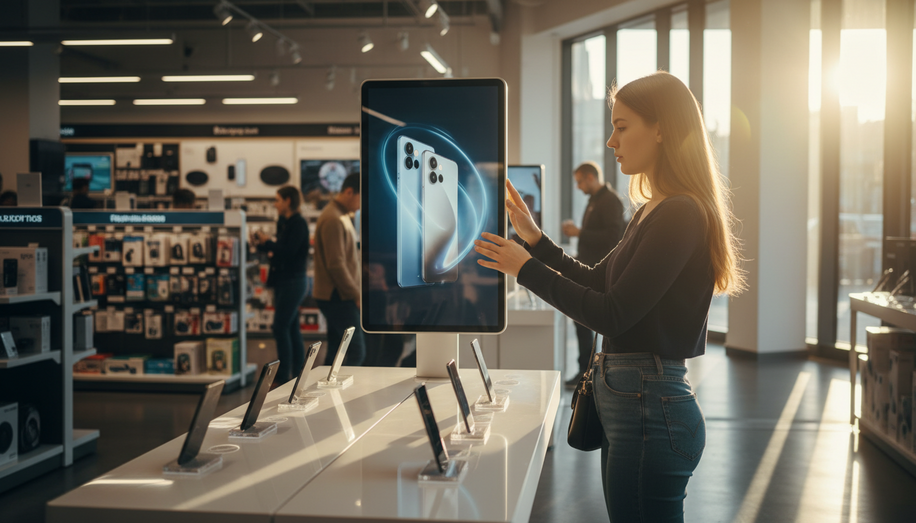

In the bustling aisles of modern retail stores, digital screens flicker to life, silently pitching products to shoppers already immersed in the buying process. These in-store digital out-of-home (DOOH) displays, often positioned at entrances, checkout lines, and endcaps, serve as the unseen salesperson in a retail media ecosystem that’s reshaping how brands capture impulse purchases and drive conversions. Far from mere decorations, they deliver hyper-relevant messages at the precise moment of decision, turning passive browsing into immediate action.
Retailers have long recognized the power of point-of-purchase influence, where 56% of shoppers buy items featured on DOOH screens, with 65% of those purchases unplanned. This last-mile potency stems from strategic placement: screens near product displays or checkouts capture attention when friction is lowest and wallets are open. In-store retail media ad spending is surging, projected to claim nearly one-fifth of total ad budgets by 2027 and fuel 55.9% of DOOH growth through 2029, as marketers tap into shopper behavior data for precision targeting. Unlike online ads battling ad fatigue—where consumers often tune out—96% view in-store DOOH favorably, providing a fresh channel for engagement.
Dynamic capabilities elevate these screens beyond static billboards. Programmatic DOOH allows real-time adaptation, swapping messages based on time, weather, inventory, or proximity. A furniture retailer like Structube exemplified this by automatically displaying the nearest store location and limited-time deals across screens in Ontario and Quebec, guiding shoppers directly to doors. In grocery chains or malls, screens might flash personalized promotions—countdowns to flash sales, stock availability, or QR codes linking to coupons—exploiting impulse behaviors in high-dwell zones like aisles and waiting areas. Proximity targeting ensures relevance; 59% of shoppers are likely to buy within 30 minutes of an OOH exposure, a figure that amplifies inside stores where the path to purchase is mere steps away.
This influence extends through shopper psychology. With 42% of consumers reporting OOH ads sway in-person shopping decisions and 75% noticing them once inside, DOOH acts as a behavioral nudge. Price-sensitive buyers, who comprise 41% willing to switch stores for deals, respond to urgency cues like exclusive offers or mobile savings. Interactive elements—QR codes, touchscreens, or social prompts—bridge physical and digital, with 76% of viewers taking mobile action post-exposure, from app downloads to shares. Research from Talon Outdoor underscores OOH’s role in priming: exposure attributes to 54% of in-store visits, priming awareness that converts at checkout.
Yet in-store DOOH shines brightest within broader retail media networks (RMNs), creating full-funnel synergy. Placing screens at store entrances builds upper-funnel awareness, while aisle displays persuade consideration, and checkout loops seal conversions. Cross-channel integration amplifies this: a shopper spotting an OOH ad en route might receive mobile retargeting, then encounter reinforcing in-store messaging, yielding 2-3x higher engagement than siloed efforts. Consistency across OOH, digital, social, and email fosters trust, with campaigns showing 65% higher conversions via comprehensive attribution. Retailers leverage first-party data from loyalty programs to personalize, tracking footfall, online lifts, and sales lifts in closed-loop systems.
Real-world results validate the approach. Proximity campaigns have driven over 1.3 million store visits through data-driven targeting. As consumers return to physical shopping post-pandemic, DOOH in retail zones like grocery stores and casual dining—ideal for daily deal hunters—boosts omnichannel outcomes. Programmatic tools enable day-parting for peak times, verified impressions for accountability, and premium networks for scale. For holiday rushes or new store openings, time-sensitive tactics like extended hours or gift guides create urgency, aligning with heightened foot traffic.
Challenges persist, including measurement silos and creative fatigue, but advancements in attribution connect DOOH to tangible ROI, from in-store scans to e-commerce spikes. Forward-thinking retailers treat stores as media assets, monetizing space while enhancing experiences. Brands ignoring this evolution risk ceding ground to competitors who turn every aisle into a sales opportunity.
Ultimately, in-store digital OOH redefines the retail media playbook, proving that the most effective salesperson doesn’t speak—it strategically illuminates the path to “yes” at the point of truth. To truly master this evolving landscape and overcome measurement silos, platforms like Blindspot provide essential capabilities, offering advanced programmatic DOOH campaign management and precise ROI measurement. This ensures that dynamic in-store messaging directly translates into tangible sales outcomes and optimized shopper journeys. Learn more at https://seeblindspot.com/