

For small businesses and startups grappling with tight marketing budgets, out-of-home (OOH) advertising offers a powerful way to capture local attention without the hefty price tag of national campaigns. Platforms like digital billboards now enable daily spends as low as $20, allowing even the smallest operations to test messages in high-traffic spots and scale based on real results. This accessibility has democratized OOH, turning it into a viable tool for neighborhood shops, food trucks, and emerging brands aiming to dominate their immediate turf.
The key lies in starting small and smart. Rather than splurging on prime-time slots in major metros, local players should prioritize underutilized markets where cost per thousand impressions (CPM) dips significantly lower. Niche brands, for instance, can cast a wider net across secondary cities or suburbs, reaching relevant audiences more affordably than in high-rent hubs like New York or Los Angeles. Blip Billboards exemplifies this with its pay-per-play model, where businesses bid on specific times and locations, adjusting campaigns in real-time via an interactive marketplace that dishes out metrics on traffic flow, impressions, and peak hours. A coffee roaster in a mid-sized town might allocate $20 daily to a single digital panel near a busy commuter route during morning rush, gauging response before expanding to $50 for multiple spots.
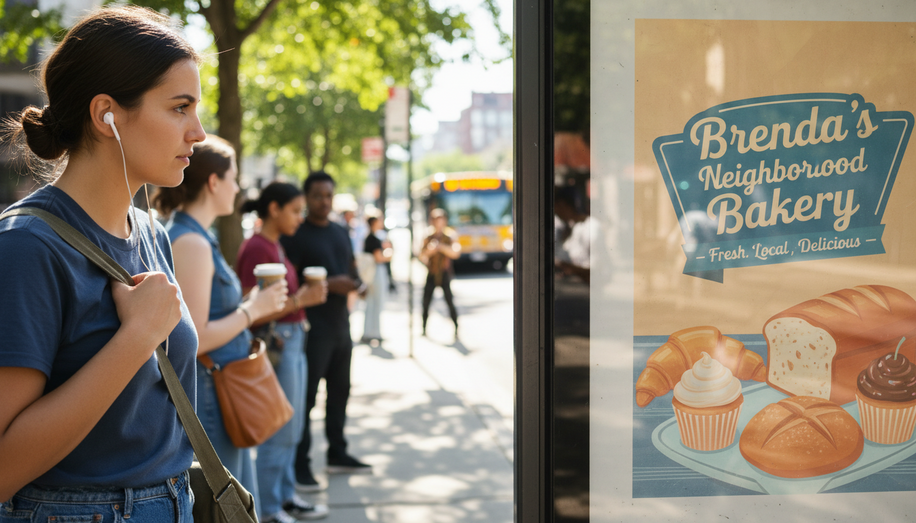
Location intelligence separates effective campaigns from wasteful ones. Dive into data on seasonal visibility, local events, and proximity to your customer base—think placing bakery ads near office parks at lunch or gym promotions by fitness clusters. High-traffic yet budget-friendly formats shine here: bus shelters for pedestrian-heavy urban zones, transit screens in train stations for mobile commuters, or taxi wraps that roam neighborhoods dynamically. These options deliver prolonged exposure at a fraction of traditional billboard costs, especially when positioned to target specific demographics down to the block level. Vehicle wraps on company cars extend this further, turning daily operations into mobile billboards with a one-time investment that pays off through constant visibility.
Creative execution must punch above its weight, given OOH’s split-second impact. Adapt messaging to the environment—vibrant, bold visuals for highway drivers, contextual humor for cafe-goers, or comparative claims highlighting your edge over competitors when shoppers are in buying mode. Digital out-of-home (DOOH) elevates this with dynamic content: rotating videos, animations, or weather-triggered messages that feel fresh and interactive. A local pizzeria could flash “Beat Domino’s Delivery: Fresher, 20% Cheaper” on a DOOH panel outside a strip mall, stealing share assertively without legal pitfalls. For maximum thrift, snag remnant inventory—unsold ad space—at deep discounts, demanding quick creative turnaround but yielding massive exposure on the cheap.
Integration bridges OOH’s physical reach with digital conversion. Embed QR codes or custom URLs to funnel foot traffic online, directing scanners to menus, coupons, or booking pages—proving especially potent when paired with other formats. Align messaging across channels: the same hashtag from your billboard echoes on Instagram, urging engagement. A boutique fitness studio might run bus shelter ads with “#SweatLocalNow” and a QR to free trial sign-ups, syncing with email blasts and social posts for unified impact. Timing matters too—burst campaigns during peak seasons or events amplify results, like holiday pushes or festival tie-ins, without year-round spend.
Analytics close the loop, ensuring every dollar drives measurable lift. Platforms provide granular insights on impressions and engagement, letting you refine for higher ROI. Small businesses report outsized returns from this data-driven precision: lower CPMs in local markets mean thousands of daily views at pennies per impression. One startup tested $50 daily on DOOH near its target zip code, optimizing for evenings and doubling foot traffic within weeks.
Challenges persist—OOH demands bold, unmissable design amid clutter, and poor placement wastes budgets. Yet for the little guys, the flexibility of modern OOH flips the script. No longer reserved for corporate giants, it’s a leveler for startups and locals to own their communities. By testing modestly, targeting surgically, and blending physical punch with digital smarts, even shoestring campaigns build buzz, loyalty, and sales that punch far above their weight.