
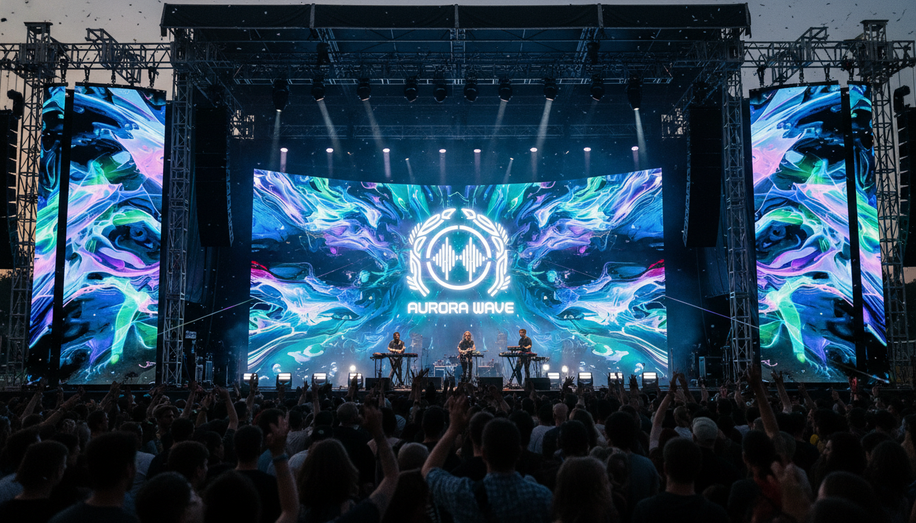

In the sprawling landscape of out-of-home (OOH) advertising, where billboards once blanketed cities with broad appeals to the masses, a quieter revolution is underway. Marketers are ditching the shotgun approach for sniper precision, zeroing in on niche communities and subcultures with campaigns that feel less like ads and more like secret handshakes. This shift harnesses hyper-local placements, digital interactivity, and culturally attuned creativity to forge bonds that mainstream messaging could never touch, turning fleeting glances into fervent loyalty.
Location remains the linchpin of this targeted evolution. Forget prime-time slots in bustling urban cores; niche success demands billboards positioned along paths trod exclusively by the intended tribe. High-end fishing gear, for instance, thrives on displays near angling hotspots or rural routes where enthusiasts haul their catches, far outperforming generic city placements that dilute the message amid unrelated traffic. This geographic intimacy ensures the ad lands squarely in the right eyes, sparking recognition and resonance without wasting impressions on indifferents.
Digital out-of-home (DOOH) elevates this precision further, infusing static surfaces with dynamic intelligence. Programmatic platforms now serve context-aware content—weather-triggered promotions for outdoor subcultures or event-tied teases for festival-goers—delivered in real time to screens in high-dwell zones like transit hubs or neighborhood corners. Proximity targeting pairs these with mobile retargeting, tracking scans and redemptions to measure lift in footfall or engagement. For skateboarding crews or vinyl collector circles, a DOOH display near a skate park or record shop might flash localized slang, countdowns to drops, or AR filters that overlay user selfies with brand flair, blending the physical world with digital play.
Interactivity transforms passive viewers into active participants, a tactic tailor-made for subcultures craving involvement. Pepsi MAX’s street-side vending activation, complete with laser-projected soccer pitches, invited passersby to scan, grab, and play, creating shared moments that echoed through social feeds. Similarly, Budweiser subverted a billboard into a live stage for underrepresented artists, drawing music subcultures to an impromptu gig that challenged industry norms. QR codes amplify this, linking to personalized rewards—coupons for craft beer aficionados or AR try-ons for streetwear devotees—while encouraging shares that extend reach organically within closed networks.
Creative audacity seals the deal, embedding brands into the community’s lexicon through bold, conversational designs. Quirky visuals or inside jokes—a nod to obscure memes for gaming clans or tactile builds mimicking a pour for mixology enthusiasts—ignite word-of-mouth, the lifeblood of tight-knit groups. Regional humor localized via dynamic copy swaps idioms by city or event, making global brands feel bespoke. Pair this with multi-channel reinforcement: OOH sparks awareness, social fills engagement gaps, and data tracks conversions, building a feedback loop that refines future hits.
Real-world triumphs underscore the potency. A campaign for tactical gear might deploy kinetic installations near airsoft arenas, where motion sensors trigger explosive visuals synced to player movements, fostering a sense of camaraderie. Vegan subcultures respond to DOOH polls in farmers’ markets, tallying votes on plant-based hacks while offering instant recipe downloads. Even door hangers, customized for neighborhood hobbyists like birdwatchers, deliver die-cut feeders emblazoned with brand motifs, turning homes into subtle endorsements.
This niche pivot yields outsized returns. Subcultures, bound by shared passions, exhibit loyalty rates dwarfing mass markets; a well-placed, resonant ad doesn’t just sell—it inducts. Metrics bear it out: higher recall from localized relevance, amplified virality via shares, and traceable actions from interactive hooks. Yet challenges persist—data privacy demands careful navigation, and creative misfires risk alienating insular groups. Success hinges on deep listening: ethnographic dives into forums, events, and hangouts to decode the unspoken codes.
As OOH matures beyond billboards into a smart, responsive ecosystem, its power to court subcultures grows exponential. Brands like boutique sneaker labels or indie board game publishers now command devotion by meeting audiences where they live, laugh, and linger. In an era of ad fatigue, this precision isn’t just innovative—it’s essential, proving that small, surgical strikes build empires of superfans one community at a time.
Mastering this intricate dance of subculture engagement demands unparalleled precision and insight. Blindspot empowers marketers with the location intelligence and audience analytics to pinpoint precise niche routes and high-dwell zones, ensuring messages resonate deeply within specific communities. Its programmatic DOOH management and real-time performance tracking then measure this resonance, translating fleeting glances into fervent loyalty and proving the outsized returns of these surgical strikes. Discover how at https://seeblindspot.com/.