
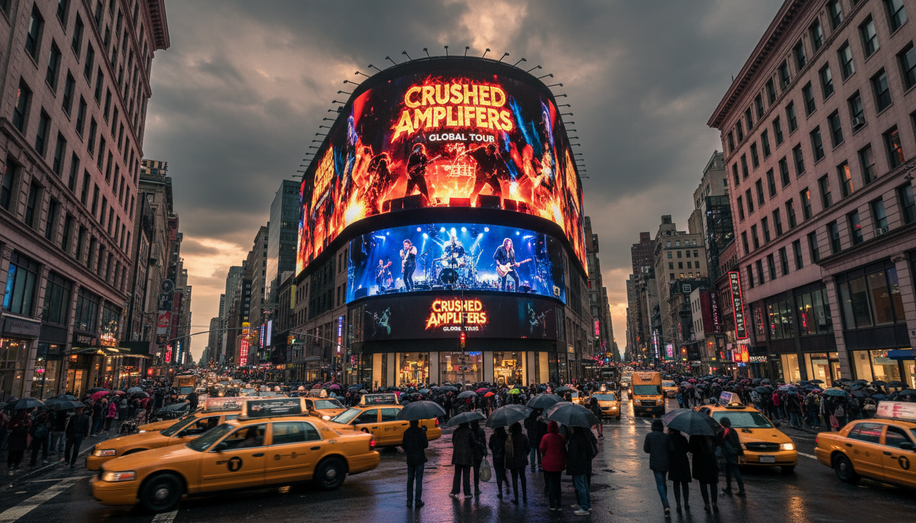

Event organizers and marketers are increasingly turning to programmatic digital out-of-home (DOOH) platforms to drive attendance at concerts, festivals, conferences, and local events, harnessing real-time data for precise audience targeting that boosts ticket sales while optimizing budgets. This automated approach to buying and selling ad space on digital billboards, transit screens, and public displays allows campaigns to adapt dynamically, far surpassing the limitations of static traditional OOH advertising. Unlike manual bookings that lock in fixed placements and messaging, programmatic DOOH enables real-time bidding, audience-driven delivery, and instant creative updates, making it ideal for the fast-paced lifecycle of event promotion.
At its core, programmatic DOOH shifts the focus from screen selection to audience signals. Advertisers define targets using demographics, behaviors, interests, and location data, then let algorithms match ads to screens where those audiences are likely present. For a music festival like Coachella, marketers can radius-target screens near concert venues or point-of-interest hotspots such as hotels and bars, layering on behavioral overlays for music enthusiasts or frequent event-goers. Custom audience ingestion from first-party data—such as past ticket buyers—further refines reach, ensuring ads hit high-intent prospects without wasting impressions on irrelevant passersby. This precision minimizes overspend, as platforms allocate budgets only to verified engagements, revolutionizing resource optimization over traditional methods’ rigid pricing and long-term commitments.
Dynamic targeting elevates event campaigns by responding to real-world triggers. Weather data can prompt sunny-day promotions for outdoor festivals, while time-of-day scheduling ramps up “last-call ticket sales” ads during evening commutes leading into a concert weekend. Event-based triggers align messaging with phases: early-bird registration on digital billboards weeks out, countdown timers near venues days before, and live highlights post-event to build buzz for sequels. For conferences, proximity to airports or transit hubs allows optimized buys, like running ads only during peak arrival times for attendees. Local happenings benefit from situational factors, such as traffic conditions or audience density, triggering “Doors open in one hour” alerts on nearby screens to spur immediate action.
Integration with mobile and social channels amplifies impact, creating seamless omnichannel experiences. Geofencing retargets users who viewed a DOOH ad with personalized ticket offers on their phones, capitalizing on Nielsen’s finding that 66% of consumers take mobile actions—like brand searches or website visits—after DOOH exposure. Social media content, moderated for brand safety, can embed directly into screens, driving shares and engagement during festivals. VIOOH’s 2024 report underscores the trend, noting that 41% of global DOOH spend is now programmatic, up from 16% in 2020, fueled by this flexibility for event marketers.
Real-world results demonstrate the ROI. A tourism campaign pairing DOOH with arrival-based measurement linked exposures to travel behavior, yielding a 30% lift in arrivals that outperformed benchmarks. For high-stakes events like the FIFA World Cup or major music festivals, programmatic guaranteed deals secure premium placements in advance—such as Times Square or transit centers—locking in inventory amid competition while allowing real-time tweaks. This hybrid of guaranteed and real-time bidding suits both long-term sponsorships and urgent ticket pushes, with platforms like those from Vistar Media or Lamar providing scale and insights.
Measurement ties it all together, using unified analytics to correlate DOOH impressions with downstream actions: website traffic spikes, ticket scans at gates, or social mentions. Holistic tracking reveals attribution, proving how a festival campaign’s screen network drove a 20% sales uptick, for instance. Event organizers gain agility to pause underperforming creatives or scale winners mid-campaign, without reprinting costs or installation delays.
Challenges persist, such as ensuring data privacy in audience targeting—platforms aggregate signals without individual identification—and navigating fragmented supply-side networks. Yet, as programmatic DOOH matures, its speed and relevance make it indispensable. For a local conference, targeting business travelers via mobility data on elevator screens near hotels can fill seats efficiently; for a concert series, weather-triggered rain-check offers keep momentum alive.
Ultimately, event promoters who embrace programmatic DOOH platforms position themselves to cut through noise, connect with primed audiences at pivotal moments, and convert visibility into packed venues. With creative refresh rates in seconds and spend tied to performance, the path from screen to sold-out show has never been more direct.