
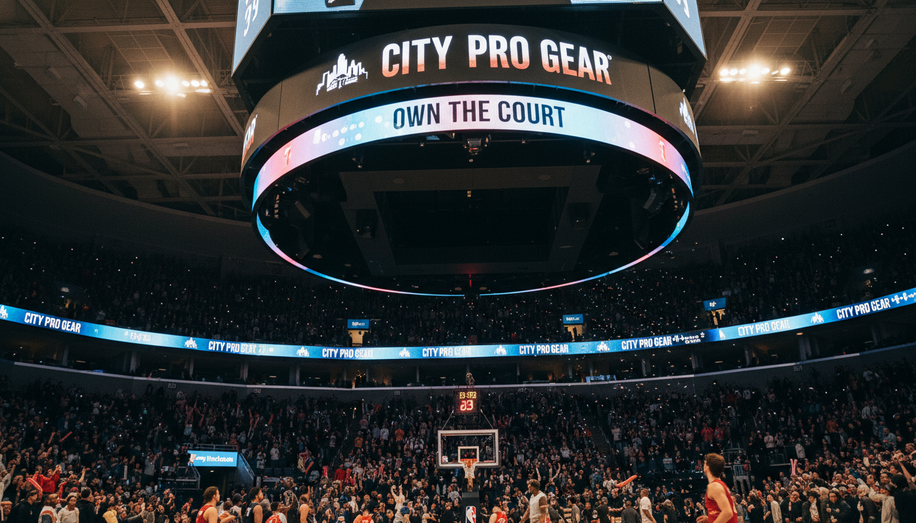

In the bustling streets of urban centers, where billboards loom large and digital screens pulse with messages, out-of-home (OOH) advertising has long relied on visibility to capture attention. Yet visibility alone often falls short in a world saturated with stimuli. Enter geofencing, a location-based technology that draws virtual boundaries around specific geographic areas, triggering mobile ads precisely when consumers enter those zones. By pairing this with OOH placements, advertisers craft campaigns of unprecedented relevance, delivering the right message to the right person at the exact right moment.
Geofencing works by harnessing GPS data from smartphones—currently, 71% of Americans are willing to share their location, providing a vast pool of opt-in users. When a device crosses a geofence, whether around a static billboard, a digital OOH (DOOH) display, or a high-traffic event, it captures unique identifiers to serve tailored notifications, in-app offers, or social media ads. This creates a seamless bridge between the physical and digital realms. Imagine a commuter passing a transit ad for a nearby coffee chain; moments later, their phone buzzes with a personalized discount for that exact location. Such synchronicity transforms passive exposure into active engagement, boosting click-through rates to 4.39%—over six times the 0.7% benchmark for standard DOOH—and lifting conversions by up to 30%.
The power lies in context. Traditional OOH casts a wide net, hoping for incidental relevance, but geofencing sharpens the focus like a sniper rifle, as one marketing expert aptly describes it. Hyper-local targeting ensures ads resonate with immediate surroundings: a restaurant billboard near its doorstep prompts mobile follow-ups to hungry passersby, while geofences around competitors’ stores lure shoppers with superior offers. Brands targeting events, festivals, or neighborhoods with favorable demographics amplify this further, scheduling triggers for peak hours when audiences are most receptive. For youth-oriented campaigns, such as those in high school cafeterias, OOH messages reinforced by geofenced mobile content create an omnichannel loop, enhancing retention without ad fatigue.
This fusion yields measurable performance gains. Unlike conventional OOH, where attribution relies on estimates, geofencing tracks the full funnel: impressions from the physical ad, mobile interactions, foot traffic lifts, and even social shares or purchases. Competitive insights emerge as advertisers quantify how many exposed users convert, proving return on investment with hard data. Cost-efficiency follows suit—resources concentrate on high-potential zones rather than broad blasts, doubling click-through rates and extending campaign longevity. eMarketer notes a 40% annual surge in location-based ad investments, underscoring the shift toward these precision tactics.
Real-world applications abound. Retailers geofence trade areas refined by foot traffic data, dynamically updating DOOH screens with weather-tied promotions or time-specific deals. A fitness brand might encircle gyms or parks, serving app invites to health-conscious visitors. Even sectors like entertainment and beauty leverage it, reaching consumers exhibiting purchase intent through proximity. The result? Ads that feel intuitive, not intrusive, fostering personalized connections that generic messaging cannot match.
Looking ahead, advancements like 5G and AI supercharge this art. Ambient intelligence—powered by real-time sensors, analytics, and machine learning—enables predictive geofencing, forecasting visits based on past behavior and preemptively personalizing content. DOOH displays could adapt instantly to local events or crowd flows, while geofences evolve with spatial data on lighting or climate for immersive experiences. Privacy considerations remain paramount, with opt-ins ensuring ethical deployment, but the trajectory points to ever-smarter, context-aware campaigns.
Critics might argue geofencing risks over-saturation, yet its targeted nature mitigates this, outperforming shotgun approaches. In an era where 81% of consumers carry smartphones as constant companions, ignoring location data means ceding ground to rivals. OOH, reinvigorated by geofencing, emerges not as a relic but as a dynamic force, blending the tangible impact of physical media with digital precision. Advertisers who master this context-driven synergy don’t just reach audiences—they anticipate and influence them, turning everyday moments into conversion opportunities.
For OOH practitioners, the message is clear: integrate geofencing to elevate relevance from aspirational to achievable. As urban landscapes grow denser and consumer journeys more fragmented, this technology ensures your campaigns don’t just stand out—they strike home. To master this context-driven synergy, platforms like Blindspot become indispensable, offering precise location intelligence for optimal site selection and programmatic DOOH campaign management, while its robust ROI measurement and competitive intelligence provide the hard data to validate these hyper-targeted efforts. https://seeblindspot.com/