
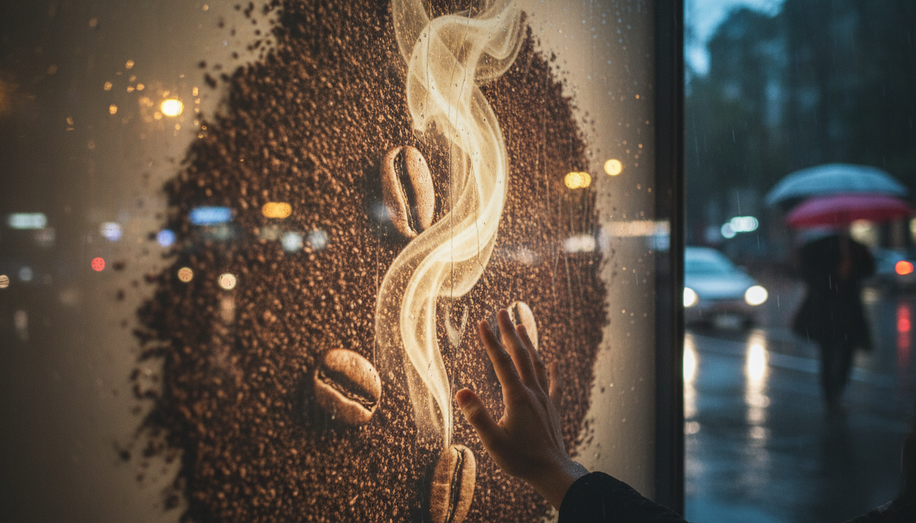

In the heart of New York City’s bustling streets, passersby pause at a billboard for Billie’s Coco Villa deodorant, drawn by an armpit-shaped poster that invites them to scratch its surface. A burst of coconut-vanilla scent wafts into the air, transforming a fleeting glance into a tangible, lingering encounter with the brand. This scratch-and-sniff innovation, Billie’s first interactive out-of-home (OOH) campaign at locations like 505 8th Avenue, exemplifies the surging trend of sensory OOH advertising, where scents, textures, and sounds forge deeper, more memorable connections than visuals alone.
Urban landscapes are saturated with digital screens and fleeting impressions, prompting marketers to evolve OOH beyond sight. By integrating non-traditional elements like custom scents and tactile materials, campaigns cut through the noise, engaging the brain’s multisensory processing for superior recall. Studies show multisensory ads outperform visual-only ones by creating stronger neural pathways, embedding brand experiences more firmly in memory. Globally, 65% of consumers crave brands that “wow” them with unexpected campaigns, and 49% are more likely to purchase from those delivering joy through sensory immersion.
Scent, long overshadowed by visuals, wields profound subconscious power. Billie’s London billboard, where a scratch releases tropical notes, not only captivated pedestrians but sparked viral extensions, including scented mailers to influencers that garnered millions of TikTok views. Similarly, Dunkin’ Donuts in Korea paired coffee aroma nebulizers on buses with jingles and posters, boosting nearby store sales by 29% and foot traffic by 16%—a testament to how olfactory cues amplify emotional resonance and drive action. These activations prove scent’s ability to evoke relaxation or nostalgia, fostering loyalty that pure imagery can’t match.
Touch adds another layer, turning passive viewers into active participants. Tactile posters with embossed or textured surfaces encourage physical interaction, heightening engagement in high-traffic environments. Givenchy’s L’Interdit campaign transformed a subway station into an immersive realm, blending outdoor ads with sensory elements to captivate commuters and extend the brand’s allure. Such tactile twists make OOH feel personal, aligning with a 2024 study on Chinese consumers that linked five sensory cues—sight, sound, smell, touch, and taste—to enhanced brand attachment and satisfaction.
Sound emerges as a dynamic complement, particularly suited to OOH’s active audiences who navigate environments receptively. JCDecaux highlights how audio accompaniments to visuals create surprise, with motion sensors triggering brand-relevant sounds that boost attention and recall. Weather-adaptive digital screens that shift content based on environmental feedback further personalize the experience, making ads feel responsive and alive. In a digital-first era, these real-life “glimmers”—unexpected bursts of happiness like interactive installations—combat consumer burnout, positioning sensory OOH as a antidote to screen fatigue.
The science underscores this shift’s efficacy. Multisensory stimuli ignite emotional responses that visuals struggle to replicate, with research from Oxford’s Saïd Business School forecasting a 25-year rise in sensory marketing. Mood Media’s statistics affirm that branded sensory strategies yield measurable lifts in brand consideration and sales, proving these aren’t gimmicks but ROI-driven imperatives. Yet success demands precision: location intelligence tools help deploy activations where audiences congregate, while attribution platforms quantify impact amid urban clutter.
Challenges persist, from regulatory hurdles on scents in public spaces to ensuring scalability across formats like bus shelters or transit hubs. Still, brands innovating here redefine advertising’s frontier. Billie’s campaigns, blending physical scratch panels with digital virality, illustrate how sensory OOH propels traditional media into social conversations. Dunkin’ and Givenchy show environmental integration—aromas syncing with transit rhythms—can yield outsized returns.
Looking ahead, expect hybrid tech like OUIBot to merge OOH with mobile, scanning ads via smartphones for extended engagement. Tactile innovations may evolve with sustainable materials, while AI-driven scents adapt to time or weather. As OOH embraces this sensory renaissance, it commands not just eyes, but hearts and senses—building loyalty that enduring long after the walk-by. Marketers who master these elements will lead, turning billboards into bridges for profound brand affinity in an increasingly distracted world.
To truly master the deployment and measurable impact of these sophisticated sensory campaigns, platforms like Blindspot are becoming essential. Blindspot’s location intelligence ensures precise placement of interactive activations where target audiences gather, while its robust ROI measurement and attribution capabilities quantify engagement and sales lift amidst urban complexity. This empowers marketers to optimize and scale their most effective sensory OOH initiatives, proving tangible value beyond fleeting impressions. https://seeblindspot.com/