
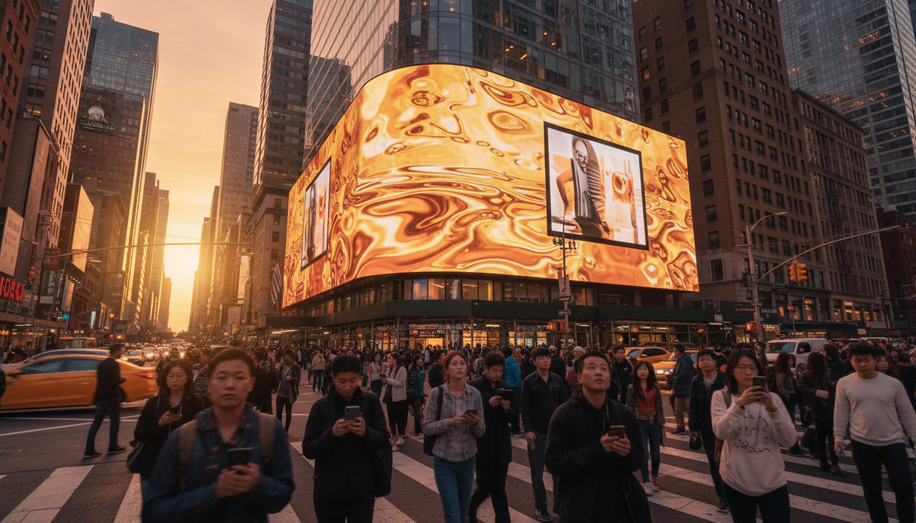

In the bustling heart of a city, where digital billboards flicker with dynamic ads and pedestrians stream by, a shopper pauses to glance at a vibrant out-of-home (OOH) display promoting a nearby coffee chain. Moments later, as they pull out their phone, a tailored digital ad for the same brand appears—offering a discount redeemable right now. This seamless handoff from physical exposure to digital follow-up is the essence of geo-fencing OOH audiences for digital retargeting, a strategy transforming static impressions into multi-channel powerhouses.
Geo-fencing creates virtual boundaries around precise locations, such as OOH panels, stores, or high-traffic zones, using GPS to detect when mobile devices enter these areas. When a consumer nears an OOH display, their device ID is captured—provided they’ve opted into location sharing, which about 42% of mobile users have—triggering retargeted digital ads like banners, in-app notifications, or social media pushes. This proximity-based capture builds hyper-targeted audiences primed by the initial OOH exposure, blending the broad reach of outdoor media with digital precision. Marketers place geofences not just around their own billboards but also competitors’ stores or complementary venues, enticing overlapping foot traffic with timely offers.
The mechanics are elegantly simple yet profoundly effective. Advertisers define geofences using predefined zones like zip codes or streets, refined by foot traffic analytics for accuracy. As devices cross the boundary near an OOH site, the system logs exposure, creating a retargeting pool of users who’ve seen the ad in the real world. These audiences then receive digital reinforcements: a weather-tied promotion if rain hits, or an event-specific deal during a local festival. Proximity matters immensely; research shows OOH panels drive a 10.9% sales uplift at the nearest stores, dropping to 8.7% for those farther away in the same district, underscoring how closeness amplifies impact.
Performance metrics bear this out. Geofencing boosts engagement by up to 30%, with click-through rates hitting 4.39%—six times the 0.7% of standard DOOH displays—and conversion lifts of 30%. Paired with DOOH’s real-time adaptability, it yields 20% higher conversions through hyper-local relevance, turning passersby into immediate responders. For instance, a bakery might geofence its OOH billboard and rival dessert spots, segmenting captured audiences by behavior: “evening indulgence” for young professionals detected post-work, “family treats” for weekend visitors. This data-driven segmentation minimizes waste, focusing spend on demographics and psychographics aligned with the brand.
Brands across sectors are leveraging this for multi-channel synergy. Retailers geofence malls and DOOH screens to serve personalized mall-specific promotions, tracking dwell time and optimizing future creatives based on engagement data. Automotive firms target event venues, retargeting attendees with test-drive incentives via mobile. Even QSR chains geofence competitors, luring hunger-struck customers with flash deals. The result? Stronger online-to-offline attribution, where OOH exposure directly correlates to store visits, proving ROI in ways broad campaigns can’t.
Yet implementation demands nuance. Success hinges on ethical data use—respecting opt-ins and privacy regulations—while integrating robust analytics for geofence refinement. Platforms like those offering foot traffic insights enable dynamic updates, swapping ad content by time, weather, or events for maximum relevance. Cost-efficiency shines here: by reducing impressions to proximity-verified audiences, marketers cut wasteful spend and elevate efficiency.
Challenges persist, including signal loss in dense urban areas or opt-out rates, but advancements in location intelligence mitigate these. As DOOH networks expand, geo-fencing OOH audiences positions proximity as the ultimate connector, bridging physical serendipity with digital persistence. Marketers who master this don’t just advertise; they orchestrate encounters, fostering loyalty in an attention-scarce world. The power lies in the moment—when OOH sparks awareness, geo-fencing fans it into action, and digital seals the deal.