
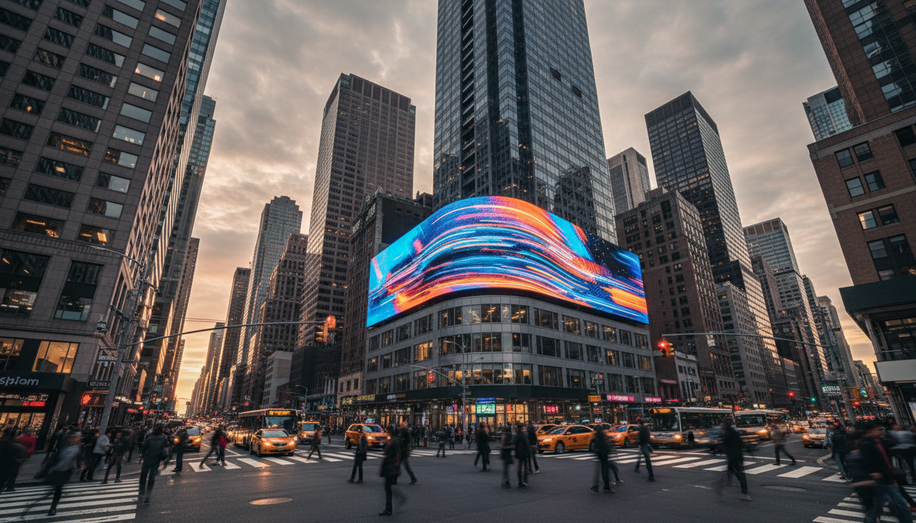

In the fast-paced world of out-of-home (OOH) advertising, where billboards command attention in split seconds and digital screens pulse with life amid urban hustle, the creative brief stands as the unsung architect of unforgettable campaigns. Far from a mere formality, this document is the blueprint that transforms vague brand ambitions into bold, public-facing spectacles that resonate long after passersby have moved on. Agencies and brands that master its craft don’t just advertise—they ignite conversations in public spaces, turning streets into storytelling arenas.
Crafting the perfect OOH brief demands starting with unwavering clarity on the project’s core. Begin by naming the initiative something evocative, a title that sparks intrigue from the outset, ensuring the entire team rallies around a shared vision rather than a forgettable label. This sets the tone, much like christening a ship before it sets sail. Immediately following comes the project overview: a concise articulation of what the campaign entails, whether it’s launching a new product, boosting awareness, or driving foot traffic to stores. Objectives must be specific, measurable, and tethered to broader business goals—think increasing brand recall by 20 percent in key markets or elevating sales in targeted demographics. Vague aspirations like “raise awareness” fall flat; instead, pinpoint how the campaign aligns with fiscal realities, influencing budget, duration, and site selection.
No brief thrives without a laser-focused understanding of the audience, the lifeblood of any OOH effort. Picture a weary nurse trudging home at dawn and a college student bounding toward class, both brushing past the same billboard. What unites them, and more crucially, what divides their worlds? Effective briefs delve into demographics, psychographics, and behaviors, crafting vivid buyer personas that reveal pain points, aspirations, and daily rhythms. This isn’t about casting a wide net; it’s about precision targeting. Personalization rules in OOH, where fleeting glances demand relevance. By capturing audience insights—such as how urban commuters crave quick emotional hits or how families respond to aspirational visuals—creatives can tailor messages that feel intimate amid the chaos of public spaces.
Layer in the brand’s unassailable truth next, the authentic essence that differentiates it from the noise. This goes beyond logos and taglines; it’s the product’s core promise, articulated with fresh insight. For a plant-based butter, it might highlight not just health benefits but the joy of guilt-free indulgence, fueling creative ideas that pop. Align everything with brand guidelines to maintain consistency—Ted Lasso-level positivity, if that’s the vibe—while weaving in key messages and a compelling call-to-action. In OOH, where space is premium, these elements must distill to a singular, powerful idea. Less is emphatically more: the most impactful designs zero in on one concept, avoiding the temptation to cram every inch of a massive canvas with text or images.
Strategic choices on campaign type and format flow naturally from these foundations. Will it be static billboards for timeless impact, dynamic DOOH screens for interactivity, or immersive transit wraps? The decision hinges on objectives and audience—video might dazzle diverse viewers with product demos, while bold visuals suit high-speed highways. Specify deliverables, timelines, and technical specs upfront: dimensions, file formats, even environmental considerations like weatherproofing for outdoor executions. This clarity prevents misfires, empowering creatives without the burden of guesswork.
To truly inspire, the brief must transcend logistics, igniting the creative team’s imagination. Define the problem your campaign solves, unearth category truths—like how OOH cuts through digital fatigue—and tap cultural levers, such as timely trends or societal shifts. Pose provocative questions: What if this billboard didn’t just sell but surprised? Include mood boards, competitor analyses, or success stories from past triumphs to stimulate bold thinking. The goal is a strategic proposition—a north star sentence that marries insight, truth, and objective into an irresistible mandate. When executed well, it fosters collaboration, yielding campaigns that don’t just advertise but embed in memory, like the viral stunts that turn bus shelters into portals of wonder.
Yet, pitfalls abound for the unwary. Overloading with data buries the spark; skimping on details invites chaos. Conflicting objectives or ignored audience nuances lead to ads that glance past their targets. The antidote? Iteration and review: circulate drafts, solicit feedback, refine until every word pulses with purpose. In OOH, where execution meets the unpredictable pulse of real life—rain-slicked streets, distracted drivers, serendipitous crowds—the brief’s rigor translates to resilience.
Ultimately, the perfect OOH brief isn’t a checklist but a catalyst, bridging brands’ dreams with agencies’ ingenuity. It guides from hazy concepts to executions that dominate skylines, foster connections, and deliver measurable impact. In an era of DOOH innovation and hybrid formats, those who invest in this foundation don’t just compete—they captivate, proving that the most unforgettable campaigns begin not on the street, but on the page.