
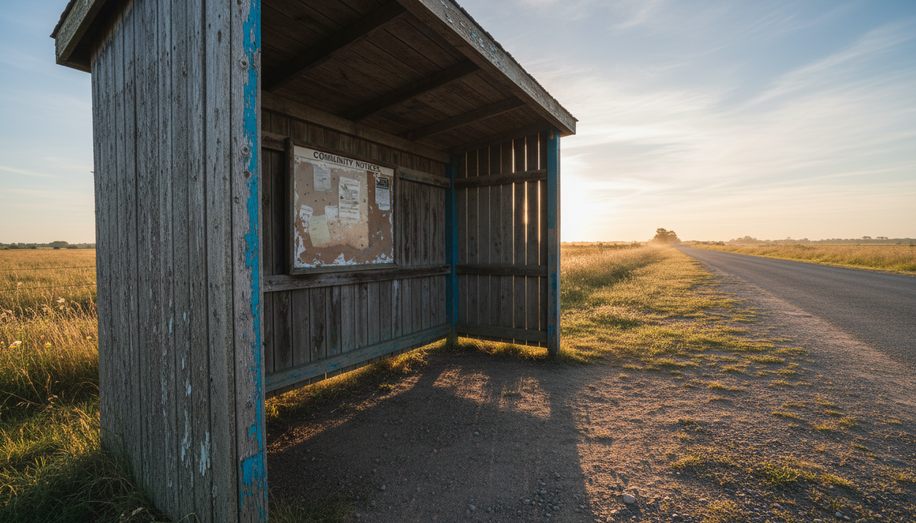

Rural out-of-home advertising presents a fundamentally different landscape than urban markets, offering both distinctive advantages and complex logistical challenges that demand strategic rethinking of conventional approaches. While urban advertisers compete for attention in cluttered environments saturated with competing messages, rural markets present an opportunity to capture engaged audiences with less advertising noise, though reaching those dispersed populations requires deliberate planning and creative problem-solving.
The most significant advantage rural OOH campaigns enjoy is the dramatic reduction in ad clutter. Unlike densely populated urban centers where billboards compete for consumer attention on crowded streets and highways, rural areas feature far fewer advertising structures, allowing individual placements to command substantially greater visibility and mental real estate. This reduced competition translates directly into extended viewing times; drivers navigating open roads with less congestion naturally spend more time observing roadside advertisements, increasing cumulative exposure and message retention.
The geographic reality of rural markets presents the primary strategic challenge: dispersed populations spread across larger territories with fewer traditional advertising infrastructure options. Rural communities lack the density of billboard locations available in urban zones, forcing advertisers to think strategically about placement near key community gathering points such as town centers, schools, and highways connecting regional areas. This scarcity of available placements demands that campaigns be laser-focused on high-traffic routes and locations serving as natural convergence points for target audiences.
Understanding local audience values and purchasing behaviors becomes essential in rural environments where community cohesion runs deeper than in urban settings. Successful rural campaigns speak directly to rural-specific needs and aspirations—agricultural equipment, local business services, or community events resonate far more effectively than generic mass-market messaging. A farming supply store advertising seasonal products tailored to local agricultural cycles exemplifies this localized approach, as does a regional hospital that increased rural patient inquiries by twenty-five percent through simple, reassuring telemedicine messaging placed along rural highways.
Design philosophy must shift when addressing rural audiences on open roads. The minimalist design principle—bold text, high contrast, and uncluttered visuals—becomes not merely aesthetic preference but functional necessity. Drivers traveling at highway speeds on rural routes have limited time to process messaging, making concise, immediately comprehensible communication critical. Every design element must earn its place on the billboard.
Modern rural campaigns increasingly blend traditional and digital strategies to maximize reach in these underserved markets. Geofenced mobile advertising paired with physical billboards creates hybrid campaigns that capture audiences both on the road and through their smartphones. A local grocer might use roadside billboards to announce a sale while simultaneously sending targeted mobile offers to consumers within a defined geographic radius, creating multiple touchpoints that reinforce messaging and drive conversion.
Digital integration extends beyond geofencing. QR codes embedded in rural billboards create engagement pathways that previously didn’t exist in these markets. A farm-to-table restaurant demonstrated this approach by incorporating QR codes linking to digital menus and reservation systems, ultimately boosting weekend bookings by forty percent. This technology bridges the gap between analog advertising and digital commerce, allowing rural audiences to transition seamlessly from initial awareness to purchase consideration.
Infrastructure durability deserves particular attention in rural deployments. Rural locations frequently experience harsher weather conditions than urban areas, necessitating weather-resistant materials and robust construction that withstands environmental stress over extended campaigns. The cost of maintaining rural placements can exceed urban installations, yet poor maintenance undermines campaign effectiveness and brand perception.
Measurement in rural OOH requires adapted metrics beyond those applicable to urban markets. Customer feedback, foot traffic data, and QR code engagement provide concrete performance indicators in these environments, offering advertisers quantifiable evidence of campaign impact where traditional metrics may prove insufficient.
Rural OOH advertising represents untapped potential for brands willing to adapt their strategies to fundamentally different market dynamics. By respecting local audiences, thoughtfully selecting placements, embracing digital integration, and maintaining rigorous performance measurement, advertisers can establish meaningful connections with rural consumers and unlock the distinctive advantages these markets provide.