
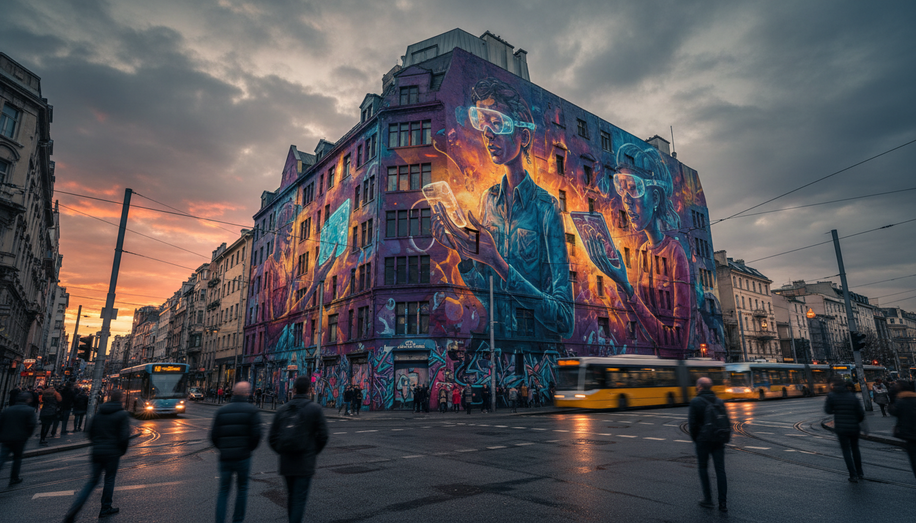

In the pulsating heart of cities worldwide, where concrete walls serve as impromptu galleries, street art and murals are reshaping the landscape of out-of-home (OOH) advertising. Once dismissed as vandalism, these vibrant expressions have evolved into a legitimate influence on commercial messaging, offering brands a pathway to authenticity amid consumer skepticism toward polished campaigns. This fusion, dubbed the “human canvas,” transforms urban surfaces into dynamic billboards that blend rebellion with relevance, captivating passersby in ways static ads never could.
Street art’s allure for OOH lies in its seamless integration with the urban environment. Unlike intrusive billboards that scream for attention, murals and graffiti weave into the city’s fabric, evoking emotions and sparking conversations without feeling forced. Research highlights how urban factors—such as architecture, lighting, and foot traffic—enhance the aesthetics of OOH influenced by public art, creating new artistic visions while boosting economic impact through heightened visibility. In Ho Chi Minh City, for instance, this interplay has positioned the metropolis as a hub for innovative campaigns that absorb global art trends, meeting public demands for beauty and enjoyment.
Brands have eagerly embraced this shift, commissioning murals to forge memorable experiences. Heinz exemplifies this with campaigns that merge artistic flair into OOH, using murals to evoke nostalgia for ketchup bottles through playful, larger-than-life illustrations on building facades. Such efforts not only amplify brand visibility but also foster emotional connections, turning everyday commutes into immersive encounters. Similarly, artists like Jenny Holzer have blurred lines further by repurposing LED technology—staple of public advertising—into provocative street projections that challenge viewers, inspiring marketers to adopt bolder, narrative-driven formats.
Guerrilla marketing amplifies this potential, where street art’s surprise element generates organic buzz. Brands deploy unannounced murals or wheat-pasted installations that surprise pedestrians, blurring art and commerce to ignite social media shares and word-of-mouth. The evolution from underground graffiti—once a symbol of rebellion in metro stations and alleyways—to mainstream OOH underscores this: its edginess cuts through ad fatigue, enhancing creativity, uniqueness, and engagement. A mural’s sheer scale on a high-rise wall draws eyes upward, driving online searches and store traffic, while its storytelling builds lasting recall.
Yet, this intersection demands ethical navigation. Street art’s countercultural roots clash with commercial intent, risking accusations of appropriation if brands merely slap logos onto borrowed aesthetics. Critics argue commercialization dilutes the form’s rebellious essence, commodifying expression that once reclaimed public space from advertisers. Projects like Art in Ad Places counter this by subverting ad spaces—replacing payphone posters with artist works in New York City—fostering belonging and challenging corporate dominance. As one founder noted, such interventions combat the sense of smallness imposed by towering ads, reclaiming streets for cultural dialogue.
Successful collaborations sidestep pitfalls through respect and partnership. Brands partnering with local artists ensure fair compensation, creative control, and community input, cultivating authenticity that resonates with socially conscious consumers. Rather than imposing messages, these alliances co-create, as seen in initiatives where street artists infuse brand narratives with their unfiltered voice, positioning companies as culturally attuned rather than exploitative. This approach not only mitigates backlash but elevates OOH: murals become conversation starters on social issues, from environmental advocacy to urban equity, amplifying reach while aligning with purpose-driven marketing.
The payoff is tangible. Street art-infused OOH boosts engagement by embedding brands in the cultural zeitgeist, where authenticity trumps intrusion. Consumers, craving genuine experiences, respond to the raw energy of murals that feel organic to their surroundings, fostering loyalty over fleeting impressions. Challenges persist—legal hurdles for unsanctioned work, balancing artistry with messaging—but the rewards in visibility and memorability are undeniable.
Looking ahead, the human canvas promises bolder innovations. As OOH evolves, expect more hybrid formats: interactive murals with AR overlays, artist-led activations in high-traffic zones, and global collaborations that export urban grit to suburban billboards. By drawing inspiration from street art’s playbook—bold visuals, cultural relevance, emotional depth—brands can humanize advertising, turning city walls into shared stories. In an era where attention is the ultimate currency, this symbiotic relationship ensures OOH remains not just seen, but felt.