

In the heart of Manhattan, sand dunes suddenly materialized amid the concrete jungle, transforming a bustling street into a desert track for HOKA’s Mafate X sneaker launch. Runners stepped onto a treadmill where Unreal Engine-powered projections shifted landscapes in real-time—morning light fading to twilight, wind howling, rocks crunching underfoot—blending physical exertion with immersive digital visuals that adapted to each participant’s pace. This pop-up activation exemplifies how out-of-home (OOH) advertising has evolved from static billboards to multisensory experiences, drawing crowds, sparking social shares, and embedding brands in urban memory.
Temporary installations like HOKA’s desert mirage represent a shift toward experiential OOH, where brands hijack public spaces to create hands-on encounters. Dreamies cat food took this literal height in London, installing massive, hand-painted 3D sculptures of felines scaling building facades and dangling from balconies, claws outstretched toward a giant treat pack. Modeled from real cat poses, these lifelike figures turned city blocks into photo-worthy spectacles, illustrating the campaign’s “Cats Will Do Anything” slogan and igniting viral foot traffic. Similarly, Decathlon marked the tenth anniversary of its Easybreath snorkeling mask with oversized 3D installations on Amsterdam’s main transport hub and The Hague’s busiest shopping street, plunging passersby into an underwater illusion that demanded interaction and selfies.
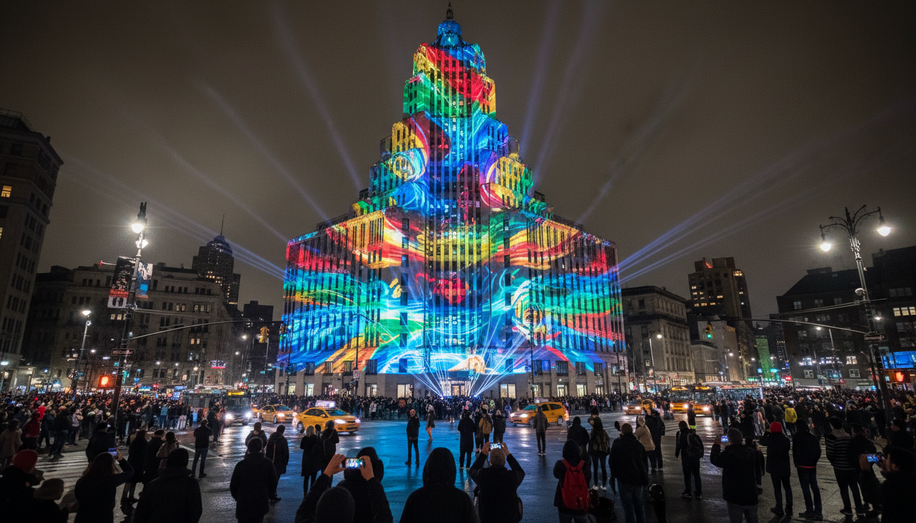
Projection mapping elevates these setups by animating architecture itself. Lego partnered with artist Nicolas “Blackbulb” to craft bus stop “portals” depicting whales, monsters, and caterpillars emerging from brick walls, their blocky forms perfectly contoured to the surrounding environment. These projections tricked the eye, pulling commuters into alternate dimensions and reinforcing the brand’s ethos of boundless creativity. Britannia Nutrchoise took a greener tack, erecting billboards in tree-obscured spots across India, where foliage deliberately interrupted the messaging. Typography bent around branches on 100% biodegradable cotton structures, harmonizing ads with nature to preach sustainability and challenging the norm of obstruction-free placements.
Interactive physical activations amplify engagement by inviting participation. Coca-Cola’s “Taste the Feeling” bus shelters in Singapore let users pose with Coke-themed filters to generate shareable GIFs, unlocking QR-coded free drinks—a simple loop of fun that spiked social media buzz and redemptions. At AT&T Stadium, Dallas Cowboys’ “Pose with the Pros” kiosks used augmented reality to superimpose fans with virtual star players, enabling instant photo shares via email or networks. Hjärtat pharmacies in Sweden rigged digital signs with smoke detectors outside restrooms; a puff of cigarette smoke triggered projections of coughing figures, delivering anti-smoking messages with stark relevance to light-up moments. PLUS supermarkets in a Dutch town gamified an entire community into life-sized Monopoly, where residents bid on streets and buildings, fostering real-world buzz around point-of-sale promotions.
These tactics thrive on context and timing. Kiehl’s plastered extra-large billboards and ski-lift posters at 8,000 feet in Austria’s Hochzillertal-Kaltenbach, targeting cold-blasted skiers with skin-care relevance amid peak traffic zones. PUMA blanketed South Africa’s high-footfall malls like V&A Waterfront and Gateway to blend sports hype with everyday shoppers. Decathlon capitalized on a rail strike by flooding stations with opportunistic ads, turning downtime into dwell time. Apple synced projections with Olympic fervor in host cities, riding event-driven crowds. Even weather bends to brands’ will: McDonald’s UK digital screens pushed frozen drinks only when temperatures topped 22°C, overlaying city-specific heat readouts for hyper-local pull.
Acadia GMC pushed personalization further with AI-driven digital signage using facial recognition to tailor one of 30 video ads by age and gender, pioneering machine learning in OOH for bespoke appeals. Samsung’s Infinity Display at SoFi Stadium, the largest digital sports signage, doubles as a showcase for its tech while hosting client ads, proving immersive hardware generates eyes-on buzz. Coca-Cola’s “Happiness Machines”—vending units dispensing free Cokes, flowers, or pizza for hugs—racked up millions of shares by turning transactions into joyful rituals.
This experiential surge lodges brands deeper than passive views. By weaving interactivity, projections, and pop-ups into public fabric, activations like HOKA’s treadmill odyssey or Dreamies’ climbing cats create emotional anchors. They leverage high-traffic nodes—stadiums, malls, transport hubs—for repeated exposure and organic amplification via user-generated content. Nostalgia plays too: campaigns echoing cultural icons, like Oreo’s quick “Dunk in the Dark” post-Super Bowl blackout, tap instant recall. Sustainability adds ethos, as Britannia’s leafy integrations spark industry dialogue on eco-ads.
As 2026 unfolds, OOH’s experiential pivot promises more guerrilla AR, flash mobs, and dynamic displays attuned to real-time data like weather or events. Brands succeeding here align activations with audience lifestyles, hijack cultural currents, and prioritize shareability—crafting not just ads, but unforgettable urban interludes that blur marketing and memory. In a digital-saturated world, these tangible invasions reclaim attention, proving hands-on OOH forges lasting bonds.