

In the high-stakes world of out-of-home (OOH) advertising, where billboards flash by in seconds and transit wraps compete for fleeting glances, traditional demographic targeting—age, income, location—has long dictated media buys and creative decisions. Yet as consumer behaviors evolve in an era of fragmented attention, planners are shifting toward psychographic segmentation, a deeper dive into lifestyles, values, interests, and attitudes that unlocks campaigns resonating on an emotional level. This approach moves beyond “who” lives in a zip code to “why” they engage with the world, enabling OOH strategies that speak directly to mindsets and drive measurable uplift.
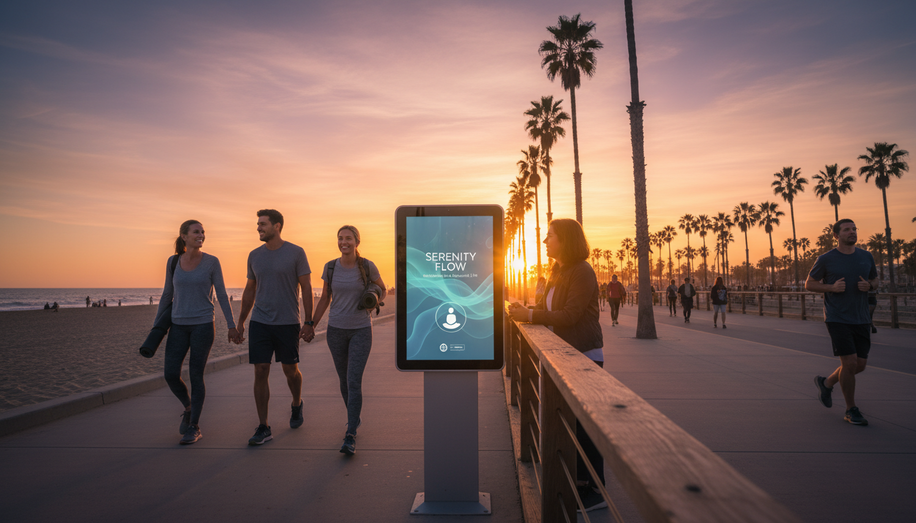
Psychographics reveal the motivations fueling consumer choices, particularly potent in OOH’s visual, context-driven medium. Consider outdoor and lifestyle brands, where audiences aren’t monolithic. Adventure Seekers crave thrill and novelty, prioritizing high-performance gear for limit-pushing exploits; their billboards might dominate urban trailheads with imagery of rugged peaks and adrenaline-fueled challenges. Nature Enthusiasts, by contrast, seek serene exploration and conservation, responding to OOH near parks that evokes tranquil hikes and educational calls to protect wild spaces. Wellness Explorers prioritize mental and physical rejuvenation, making them ideal for calming visuals on yoga-studio-adjacent digital screens promoting stress-relieving escapes. Eco-Conscious Adventurers demand sustainability, flocking to campaigns highlighting ethical practices on transit routes frequented by green commuters.
This segmentation mirrors real-world data from outdoor consumer studies. One analysis divides participants into psychographic clusters like Urban Athletes—20% of consumers driving 33% of spending—who blend urban parks, mountain biking, and HIIT with a competitive edge. These high-frequency engagers, alongside Achievers and Outdoor Natives, represent 42% of the population but 66% of expenditures, underscoring the ROI of mindset-matched targeting. Aspirational Beginners, often younger newcomers comprising 14% of the market, thrive on accessible invitations via local OOH, while Casual Socializers—20% “athleisurists” favoring relaxed picnics and community—warm to inclusive messaging in social hubs.
OOH’s strength lies in its contextual precision, amplified by psychographics. Planners layer audience insights onto inventory: digital billboards in trendy city neighborhoods capture urban millennials’ psychographic blend of adventure and sustainability, per demographic-psychographic hybrids. A fitness brand might deploy wraps on gym-proximate buses for intensity-loving Urban Athletes, while eco-brands like Patagonia target nature-loving segments with environmental pledges on highway spectaculars, fostering loyalty through shared values. REI exemplifies this, its OOH featuring nature immersion and conservation appeals that align with environmentally passionate outdoor enthusiasts, building a devoted base.
The mechanics of implementation start with data. Surveys probe interests and goals; behavioral tracking monitors event attendance or gear buys; post-exposure feedback uncovers patterns like thrill versus relaxation. Tools like AI-driven platforms analyze sentiment across journeys, filtering by segment for real-time optimization—think Net Promoter Scores spiking when experiences match motivations. In practice, an outdoor footwear brand at festivals segmented psychographically: tough demos for Seekers, mindful hikes for Explorers, yielding a 77 NPS and 60% conversion, with AI refining future OOH rotations.
Critically, psychographics outperform demographics in OOH’s dynamic ecosystem. Where location alone risks waste—say, affluent suburbs ignoring value-driven millennials—mindset mapping ensures relevance. Urban Athletes skew toward skateboarding and races in city parks; eco-dimensions cut across groups, demanding sustainable creative for all. This precision boosts engagement: Spotify personalizes via tastes and moods; Patagonia bonds via ethics—lessons translating to OOH where a single resonant image lingers longer than stats.
Challenges persist. Data privacy regulations demand ethical sourcing, and psychographic profiles evolve—post-pandemic wellness surges reshaped segments. Yet integration with geofencing and programmatic OOH mitigates this, dynamically serving creatives to value-aligned passersby. Agencies report higher dwell times and recall; one study notes psychographic campaigns lift brand affinity over generic blasts.
For OOH planners, the pivot is clear: psychographics turn static inventory into mindset magnets. A luxury watchmaker targets Achievers with precision-crafted visuals on elite golf courses; a beverage giant woos Socializers with community vibes on beachfront LEDs. The result? Campaigns that don’t just interrupt drives but infiltrate aspirations, proving that in OOH, the mind trumps the map. Forward-thinking brands weaving lifestyles into buys will dominate, as consumers increasingly tune out the irrelevant and tune into the attuned.