
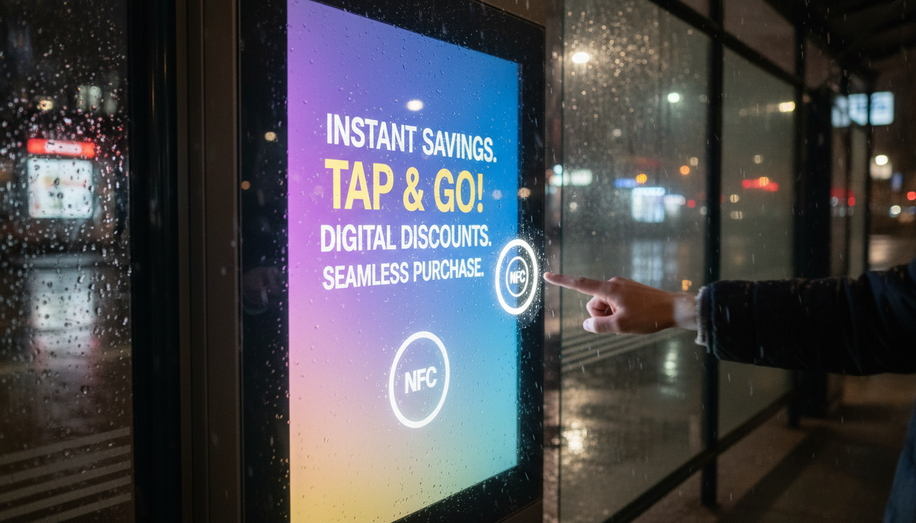

In the bustling streets of urban centers, where eyes dart from one billboard to the next, a simple scan or tap can transform a fleeting glance into a digital transaction. Out-of-home (OOH) advertising, long a staple for brand visibility, now leverages interactive elements like QR codes and NFC tags to propel viewers straight from physical exposure to immediate online actions, bridging the analog-digital divide with unprecedented speed.
QR codes, those ubiquitous pixelated squares, have democratized this transition. Printed boldly on billboards, bus shelters, and yard signs, they invite smartphone users to snap a photo and unlock exclusive content, promotions, or e-commerce pages in seconds. Their appeal lies in accessibility: no special hardware required, just a camera app most devices have pre-installed. A fashion brand, for instance, slashed print costs by halving magazine ad space while directing scanners to a full online lookbook, demonstrating how QR codes streamline campaigns across print, TV, and OOH formats. In real estate, agents embed them on for-sale signs, linking directly to virtual tours or booking forms, turning roadside curiosity into scheduled viewings on the spot. This omnichannel synergy not only boosts foot traffic but also tracks engagement through unique scan metrics, revealing which placements drive the most conversions.
Yet QR codes are not without limitations. They demand precise alignment and sufficient light, and outdoor exposure—rain, dirt, UV rays—can render them illegible over time. A study of billboard effectiveness notes that while they encourage interactions leading to landing pages, their vulnerability hampers long-term reliability. Enter NFC tags, the contactless contender elevating OOH interactivity. These near-field communication chips, embedded invisibly in posters or durable ceramic housings, activate with a mere tap of an NFC-enabled phone, bypassing cameras entirely for a frictionless experience.
NFC’s superiority shines in demanding environments. Weatherproof and tamper-proof, they endure six months of bus shelter abuse, as a luxury car brand discovered when 89% remained functional, generating over 12,000 test drive bookings. At live events like music festivals, NFC on coasters doubled engagement over QR codes by enabling instant contest entries or playlist downloads—no fumbling with angles. A global cosmetics campaign in 2024 swapped QR for NFC posters linking to AR try-ons and loyalty rewards, yielding 25% higher engagement, 40% repeat taps, and zero spoofing incidents. Security is a key edge: encrypted data prevents replication, unlike QR codes prone to manipulation, while real-time analytics capture user IDs for precise tracking.
Businesses deploying these technologies report tangible uplifts in buyer intent. OOH with QR codes fosters immediate digital pivots, such as newsletter sign-ups or social follows, while NFC’s seamlessness suits premium activations. Yard signs for political campaigns or retail promotions integrate both: QR for broad reach, NFC for loyalists seeking deeper immersion via surveys or games. Contactless appeal post-pandemic adds hygiene value, ideal for high-traffic zones.
Measuring success demands rigor. Scan counts alone fall short; advertisers track downstream actions—site visits, purchases, repeat interactions—via unique codes or tags. Outdoor ads already boast 55% recall rates for digital billboards, far surpassing online peers, and interactivity amplifies this by targeting demographics precisely, like stadium placements for sports fans. Real-time updates via linked digital backends keep messaging fresh for seasonal pushes.
Challenges persist. QR codes suit cost-sensitive, mass campaigns targeting varied tech literacy, but NFC demands compatible devices, though adoption nears universality on modern smartphones. Durability costs more upfront for NFC, yet reusability across campaigns yields superior ROI. Integration requires design savvy: codes must be large, contrasting, and paired with clear calls-to-action like “Tap for 20% Off Now.”
Forward-thinking campaigns blend both. A beverage at a festival pairs QR on posters for initial buzz with NFC on merchandise for sustained loyalty. Political yard signs use QR for voter info dumps and NFC for personalized volunteer sign-ups. The result? OOH evolves from passive spectacle to active conduit, where a commuter’s idle tap sparks a sale.
As urban landscapes densify, these direct-response tools redefine effectiveness. They don’t just capture attention—they convert it, proving that in OOH, the shortest path from glance to click is the one that pays. However, truly maximizing their impact requires robust measurement. Platforms like Blindspot empower advertisers to precisely track real-time campaign performance and conversions from every interactive OOH placement, providing crucial ROI measurement and attribution to optimize future strategies and site selection for maximum impact. Discover more at https://seeblindspot.com/