
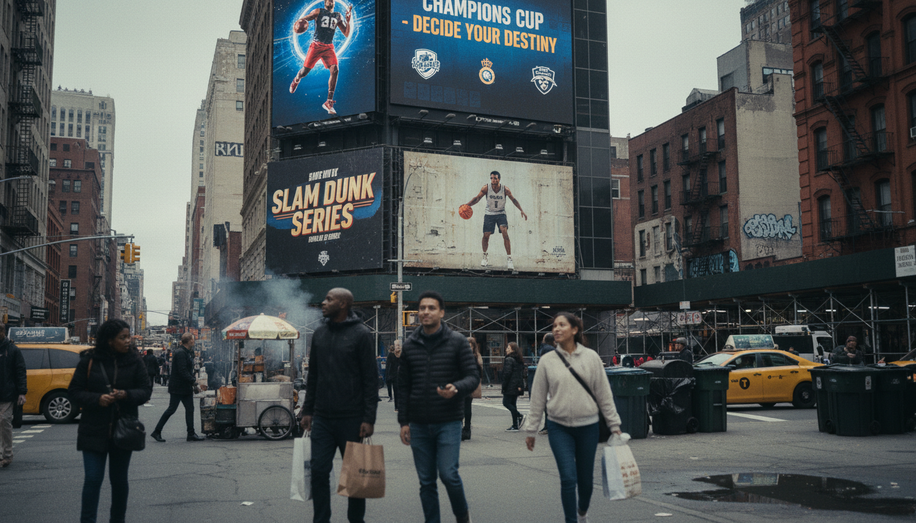

In the high-stakes world of sports, where passion ignites in stadiums and spills onto city streets, out-of-home (OOH) advertising stands as a powerhouse for capturing fan fervor. As crowds surge toward arenas for major events like the Super Bowl or the Olympics, OOH delivers unmissable messages right where enthusiasm peaks, turning casual observers into loyal supporters and driving brands straight into the hearts of enthusiasts.
Sports teams have long recognized OOH’s unmatched ability to build loyalty by embedding their identity into the urban fabric. Billboards wrapped around stadium exteriors, digital screens flashing team colors along highways leading to home games, and signage inside arenas create an immersive brand halo that fans can’t ignore. Professional teams strategically place ads in home cities, pedestrian hotspots, and near related venues, ensuring supporters feel the team’s presence from the commute to the concession stand. This proximity fosters emotional connections; a towering stadium wrap, visible for weeks, reinforces team pride and subtly promotes ticket sales or merchandise. For instance, during high-profile matchups like the Philadelphia Eagles versus Kansas City Chiefs in the Super Bowl, teams amplify this by incorporating logos and colors into creative visuals, making fans feel like part of the action even before kickoff.
Promoting sporting events through OOH takes this a step further, capitalizing on urgency and excitement to fill seats. With events like the Euros, Wimbledon, or FIFA World Cup drawing massive crowds, OOH excels at priming audiences en route to pubs, stadiums, or hospitality spots. LED trucks roaming target markets with dynamic videos showcase event highlights, selling not just tickets but the electric atmosphere—throbbing crowds, roaring cheers, and nail-biting moments. Portable banners at outdoor festivals or street-level displays near venues boost visibility, while limited-time promotions like “Beat the clock for tickets!” create FOMO, urging immediate action. Mobile billboards allow precise targeting, reaching fans in desired geolocations such as host cities, where a single video loop can evoke the thrill of live competition, converting passersby into attendees.
Brands, meanwhile, leverage OOH to forge authentic ties with sports enthusiasts, blending creativity with strategic placement. Outdoor apparel giants like Marmot have stunned during Super Bowl seasons by tying gear promotions to football themes, using playful headlines and team-inspired graphics to stand out amid the ad saturation. Interactive elements elevate engagement: augmented reality experiences from Coca-Cola during the World Cup or Lay’s UEFA campaigns invite fans to scan ads for digital games, bridging physical billboards with mobile fun. Street marketing teams in branded gear hand out flyers at festivals, while chalk art or pop-up banners amplify event sponsorships, drawing younger demographics with guerrilla flair. Digital billboards near arenas pulse with polls—”Who’s winning tonight?”—or custom hashtags, sparking social buzz as fans share their predictions live from the game.
The beauty of OOH lies in its segmentation power, allowing tailored assaults on fan psychographics and behaviors. Die-hard supporters get hyper-local stadium ads, while casual viewers tuning in only for the Super Bowl encounter highway spectaculars with urgency-driven calls-to-action like “Limited-time deals—score now!” Psychographic targeting hits lifestyle matches—athleisure for active fans, premium hospitality promos for social butterflies—ensuring messages resonate deeply. This data-informed precision, combined with OOH’s mass reach, yields outsized impact; fans traveling to events absorb brands subconsciously, influencing purchases from jerseys to post-game beers.
Yet OOH’s true edge emerges in experiential fusion. Tournament-style activations at sports venues build on crowd energy, with pre-promoted pop-ups offering contests or giveaways—free playoff trips or signed merch—that explode on social media. Influencers amplify this, posting from branded street art or LED trucks, turning one ad into viral gold. Real Madrid’s Snapchat peeks behind the curtain garnered 185 million impressions, proving OOH sparks digital wildfire when paired with live content.
Challenges persist—saturation demands bold creativity, and budgets must stretch beyond TV spots—but OOH’s ROI shines in measurables like footfall lifts and brand recall. As fans return to stadiums post-restrictions, hungrier for live thrills, OOH positions teams, events, and brands at the epicenter. In a game where attention is the ultimate prize, OOH doesn’t just advertise; it plays to win, forging loyalties that endure long after the final whistle.