
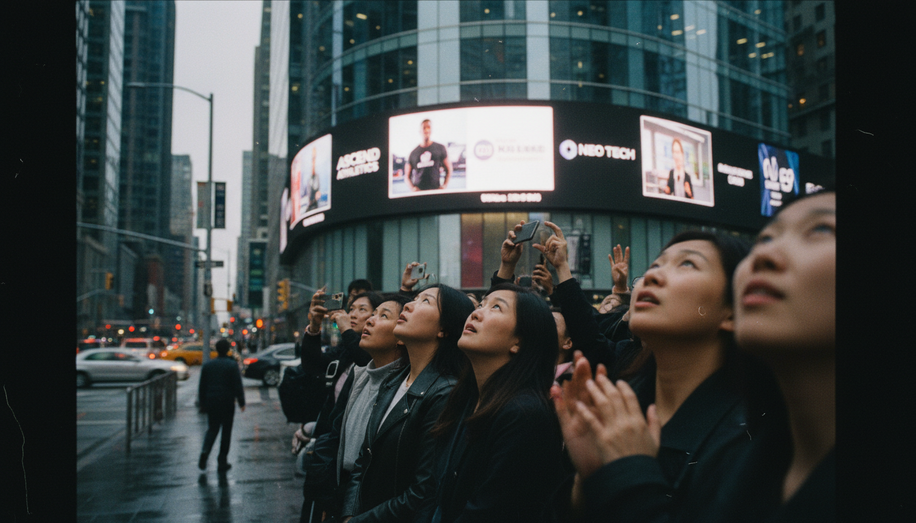

In the electric atmosphere of a packed stadium, where thousands of fans roar in unison, out-of-home (OOH) advertising transforms passive spectators into active participants, weaving brands seamlessly into the fabric of live sports and entertainment experiences. Giant LED screens flashing sponsor messages during timeouts, digital displays lining concourses that pulse with real-time promotions, and dynamic signage at entry points—all these elements elevate fan engagement while unlocking premium sponsorship value. As the global OOH market surges toward USD 49.86 billion by 2031, growing at a 3.67% CAGR from its 2026 value of USD 41.62 billion, sports and entertainment venues stand out as high-growth arenas, blending captive audiences with measurable impact.
Consider the raw power of these environments: fans dwell for hours, their attention heightened by the thrill of competition or performance. Airports and transit hubs already boast the fastest growth rates in OOH, with airports at 7.19% CAGR through 2031 due to affluent passengers lingering over 60 minutes—conditions mirrored in stadiums where average attendance exceeds that dwell time amid pre-game rituals and halftime breaks. Stadium giant screens, often spanning dozens of feet, deliver unmissable moments: a beverage brand’s logo explodes across the Jumbotron as a home run sails into the stands, prompting cheers that double as brand endorsements. Concourse digital displays take it further, using AI-driven dynamic content to target thirst-quenching ads near concession stands or merchandise pushes timed to crowd flows, achieving higher occupancy and flexible pricing that outpaces traditional static formats growing at just 5.71% annually.
This integration of technology amplifies fan experience in ways static media cannot. Real-time data feeds allow screens to sync with game action—highlighting a sponsor’s halftime promotion synced to player stats or concert setlists—fostering immersion that feels organic rather than intrusive. A landmark study by the Out of Home Advertising Association of America (OAAA) and The Harris Poll underscores this potency: nearly 60% of U.S. adults recall seeing an OOH ad for a major sporting event, and 90% of them take immediate action, from social media shares to ticket purchases and attendance. Among those exposed, 61% post about the ads online, often citing humor or star power, sparking viral buzz that extends reach far beyond the venue. Even more telling, 99% of fans who attend games after OOH exposure spend locally on hotels, restaurants, and transport, injecting economic vitality into host cities and proving OOH’s role as a catalyst for broader revenue streams.
For sponsors, the value proposition is equally compelling. Venues offer “place-based” OOH— a segment including sports and entertainment—that commands premium CPMs thanks to predictable, high-value audiences. Professional teams and leagues leverage this by placing ads not just inside arenas but in home cities, highways, and pedestrian zones, ensuring fans encounter brands en route and onsite. Billboards near stadiums, for instance, build pre-event hype; one OAAA analysis shows they yield up to a 497% ROI, with sports-themed creatives driving 90% action rates from recall. Inside, concourse networks enable omnichannel plays: a retail sponsor’s digital display links to app-exclusive deals, trackable via footfall attribution from telecom data, much like North America’s programmatic adoption lifting yields without new inventory.
Entertainment venues like concert arenas amplify these opportunities. During a sold-out tour stop, rotating digital totems showcase artist-partnered brands—energy drinks fueling the crowd or ride-share apps easing exodus—turning one-off events into recurring sponsorship goldmines. Healthcare and pharma brands, growing OOH spend at 5.08% CAGR, increasingly target these spots for consumer-centric pushes, mirroring retail’s 28.10% market share dominance. Luxury and tech advertisers follow suit, drawn to the affluent skew of event-goers akin to airport demographics, securing long-term concessions that fund LED upgrades amid guaranteed minimums.
Yet maximizing this potential demands precision. Operators must prioritize dynamic digital over static—digital transit screens already accelerate at 5.88% CAGR via automated trading—while aligning content with fan journeys. Programmatic platforms enable real-time bidding for peak moments, like seventh-inning stretches or encore breaks, ensuring relevance that boosts engagement. As North America, with 34.70% global revenue share, leads via digitization and permissive regulations, global expansion beckons, especially with Asia-Pacific’s rapid rise. Ahead lies the 2026 FIFA World Cup, where two-thirds of U.S. adults express eagerness for OOH tie-ins, signaling untapped scale.
Ultimately, OOH in sports and entertainment venues does more than advertise—it co-creates the event. By enhancing immersion through contextual, tech-infused displays, it delivers unparalleled fan loyalty and sponsorship ROI, positioning brands at the heart of moments that define culture. In an era of fragmented media, these live crucibles remind us: nothing captures collective energy like OOH in the arena.