
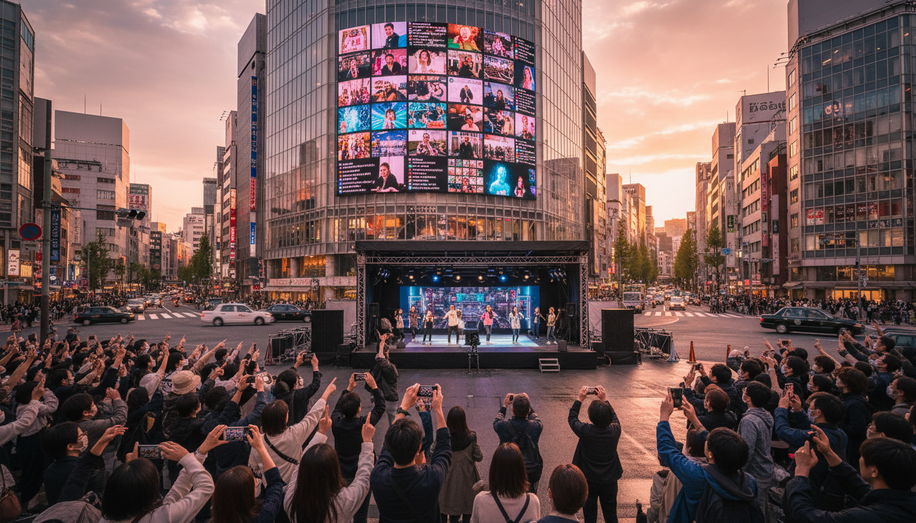

In the bustling streets of urban centers, where traditional out-of-home (OOH) advertising has long reigned with bold billboards and static posters, a new evolution is underway. Experiential marketing is bridging the gap between passive viewing and active participation, transforming fleeting glances into unforgettable encounters that amplify brand impact. By layering immersive, on-site engagements onto classic OOH formats, marketers are not just capturing attention—they’re forging emotional connections that drive loyalty and buzz far beyond the physical space.
Consider the power of sensory immersion. Traditional OOH relies primarily on visuals to cut through the noise, but experiential campaigns engage sight, sound, touch, and even scent, making ads impossible to ignore or skip. A cosmetics brand might install augmented reality (AR) mirrors at bus stops, allowing commuters to virtually try on makeup shades in real time, blending digital interactivity with the tangible wait for public transport. This multi-sensory approach creates deeper neural imprints, as consumers don’t merely see the ad—they live it, associating the brand with delight and discovery. Unlike digital ads that can be scrolled past, these real-world activations demand presence, resonating especially with millennials who crave authentic, unblockable experiences.
Real-world examples illustrate this synergy vividly. IKEA once reimagined bus shelters as cozy bedrooms, complete with plush furniture and ambient lighting, inviting weary commuters to lounge and experience the brand’s comfort firsthand. The result? Passersby didn’t just notice the OOH placement; they inhabited it, snapping photos that proliferated across social media and extending the campaign’s reach exponentially. Similarly, Pepsi Max stunned London bus shelter users with AR illusions—empty spaces suddenly filled with otherworldly visuals of crashing waves or alien invasions—turning mundane waits into shareable spectacles. Toyota took it further in Times Square, where climbers scaled a massive RAV4 Hybrid billboard, embodying the vehicle’s adventurous ethos in a death-defying live performance that embodied “How Far Will You Take It?” Oatly, meanwhile, animated Paris street murals with interactive, whimsical installations that morphed painted objects into playful scenes, prompting double-takes and viral posts. These activations didn’t replace OOH; they supercharged it, leveraging high-visibility locations like transit hubs and billboards to funnel audiences into hands-on brand moments.
The bridge to on-site engagement lies in seamless integration. OOH acts as the beacon, drawing crowds with its scale and geo-targeting—airports for travelers, malls for shoppers—then experiential elements provide the hook. Lean Cuisine’s #WeighThis campaign exemplifies this: instead of pushing product specs, it invited people at high-traffic OOH sites to “weigh” inspirational stories on symbolic scales, sparking emotional storytelling that generated mass impressions and loyalty. Such tactics shift focus from hard sells to narratives, fostering genuine interactions that static ads can’t match. Moreover, they thrive on shareability; only thousands may interact onsite, but social amplification turns thousands into millions, with user-generated content acting as free endorsements.
Looking ahead, technology and data are solidifying this OOH-experiential fusion. AR and virtual reality (VR) are evolving bus stops into portals to brand universes, while data analytics track dwell time, engagement, and social mentions to quantify ROI—metrics like impressions, content creation, and brand lift that justify budgets. Sustainability adds another layer: eco-friendly installations using recycled materials appeal to conscious consumers, aligning with values while maintaining visual punch. Brands are also integrating across channels, syncing OOH activations with CRM systems, POS data, and digital campaigns for holistic impact—event scans linking directly to post-event sales, for instance.
Yet success demands strategy. Planners must align activations with core brand narratives, collaborate with creative agencies, and rethink formats beyond billboards—guerrilla projections, pop-up takeovers, mobile tours all expand the canvas. Metrics matter: define success upfront via Net Promoter Scores, redemptions, and affinity measures to refine future efforts. When done right, experiential OOH doesn’t just complement traditional efforts; it elevates them, turning public spaces into living brand extensions that linger in memory and conversation.
This hybrid model proves especially potent in high-density environments, where OOH’s unskippable nature meets experiential marketing’s pull for participation. As consumers grow ad-fatigued, these bridged campaigns cut through, creating advocates who don’t just recall the brand—they champion it, driving purchase intent and long-term affinity. In an era of fragmented media, experiential OOH stands as a beacon of connection, proving that the most effective advertising invites you in rather than shouts from afar. Blindspot empowers brands to master this fusion by providing crucial location intelligence for optimal site selection and sophisticated ROI measurement, attributing real-world engagement to tangible business outcomes. With real-time campaign performance tracking and robust audience analytics, marketers can precisely quantify the impact of these immersive OOH experiences, justifying investment and refining future strategies. https://seeblindspot.com/