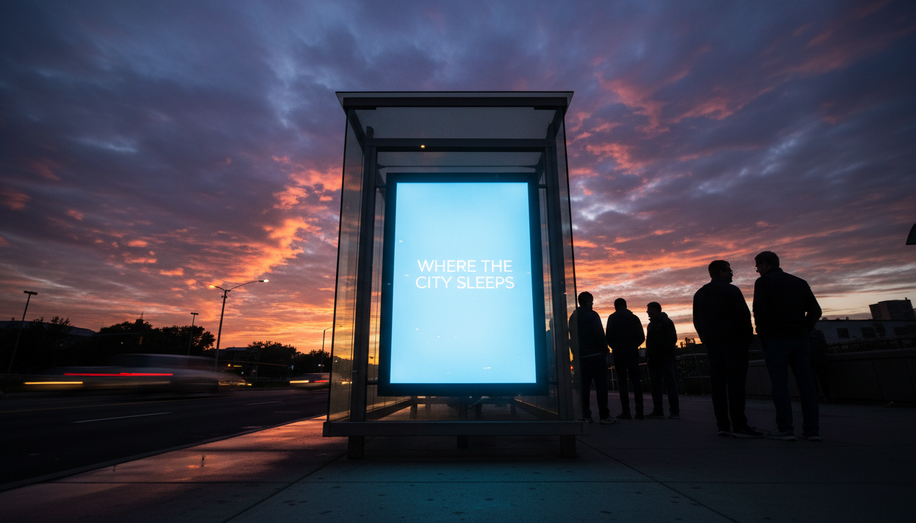

In the fleeting world of out-of-home advertising, where commuters glance at billboards from speeding trains and pedestrians steal seconds from busy sidewalks, a tagline’s power lies in its ability to pierce the chaos. Unlike digital ads that can be scrolled past, OOH demands instant resonance—phrases that lodge in the mind amid the rush of urban life. Specsavers mastered this at airports, where anxious travelers spotted signage playing on the dread of landing in the wrong city, turning a universal pain point into playful recall without overwhelming confusion. The lesson is clear: effective taglines for OOH blend brevity with context, transforming passive exposure into active memory.
Crafting such lines starts with simplicity. At its core, a tagline must distill a brand’s essence into seven to ten words, ideally fewer, to ensure readability from 50 feet away. Coca-Cola’s “Taste the Feeling” powered interactive bus shelters in Singapore, where passersby created GIFs and scanned QR codes for free drinks, but the phrase itself cut through as pure sensory invitation—short, evocative, and tied to immediate gratification. McDonald’s, a pioneer in OOH innovation, etched bite marks into digital Big Mac displays paired with implied calls like “Walk Thru for Instant Flavor,” proving that taglines thrive when they evoke action without excess verbiage. Experts emphasize testing for scannability: print the line in 36-point font from arm’s length; if it doesn’t snap into focus, refine it.
Context reigns supreme in OOH, where ads ambush audiences in motion. Tailor taglines to the environment—airport woes for Specsavers, pandemic isolation for Bumble’s wry “Might as well add falling in love to the list of mad things that happened in 2020.” This dating app’s yellow billboards, launched amid lockdowns, generated 60 million impressions by mirroring collective absurdity, spiking app downloads through empathetic humor. Nostalgia amplifies this: Paramount’s “Mean Girls” taxi wraps quoted “Get in, loser! We’re going shopping!” on London transport, leveraging cultural shorthand for instant buzz among commuters. The Guardian paired an abstract “The world is absurd” with its masthead imagery, making the tagline a visual anchor that rewarded lingering looks. Technique here: audit the placement. Billboards suit bold declarations; transit ads favor rhythmic, repeatable phrases that sync with the journey.
Emotional hooks elevate taglines from forgettable to viral. CVS’s Times Square “#BeautyUnaltered” selfies invited uploads for display, fostering ownership and social shares, while the tagline grounded it in raw authenticity. Apple’s “Shot on iPhone” billboards featured user-submitted photos worldwide, turning passive viewers into aspirational creators with a line that celebrated everyday artistry. Bumble’s human-centered quips echoed this, feeling “empathetic and authentic” rather than opportunistic. To replicate, mine audience psychology: nostalgia bonds via shared memory, humor disarms defenses, and aspiration fuels desire. Avoid abstraction; Google’s UK summer campaign tied “Make the Most of Summer” to local search trends like beach hours, positioning the brand as indispensable without preaching.
Visual synergy is non-negotiable—taglines must dance with imagery. Canva’s 2025 billboards mocked design tropes with “Make the logo bigger” and “Turns out the 16 by 9 was meant to be 9 by 16,” their wit amplified by subversive graphics that nodded to creators’ frustrations. Britannia’s “Nature Shapes Britannia” spanned dynamic displays, reinforcing trust through organic visuals that echoed the tagline’s elemental promise. McDonald’s Big Mac cutouts made the implied “Take a Bite” visceral, commanding attention in high-traffic spots. Pro technique: prototype pairings. Ensure the tagline’s rhythm—assonance, alliteration—mirrors the image’s energy. “Dream Big. Drive Bigger Sales!” exemplifies this punch for billboard brokers, its parallelism mirroring expansive visuals.
Interactivity and timeliness seal memorability. DOOH’s real-time adaptability lets taglines evolve: Bumble’s timely pandemic nod drove engagement, while Coke’s GIF shelters rewarded scans with vouchers, boosting redemptions. Guerrilla tactics, like ambient projections, demand taglines that surprise—”Life’s Too Short for Boring Ads!” disrupts without disorienting. Measure success via recall metrics; OOH boasts the highest unskippable rates, driving online spikes when taglines spark shares.
Ultimately, the art demands iteration. Brainstorm hundreds, cull ruthlessly for wit and relevance, then field-test in mock environments. Brands like Apple and McDonald’s iterate across formats, from wallscapes to mobile billboards, ensuring taglines scale. In OOH’s unforgiving arena, where visibility is king, a masterful tagline doesn’t just advertise—it inhabits the city’s pulse, turning strangers into advocates one glance at a time.