
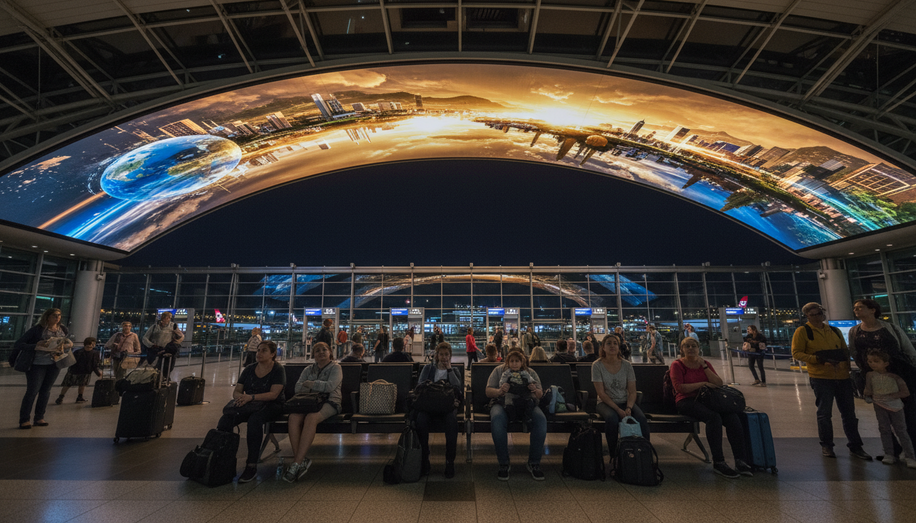

Outdoor advertising has evolved far beyond static billboards displaying generic messages. In 2026, the most compelling OOH campaigns are those that seamlessly blend creativity, authenticity, and audience connection to craft narratives that resonate long after viewers pass by. These innovative campaigns demonstrate that storytelling through outdoor media isn’t just about visibility—it’s about creating memorable experiences that transform casual observers into brand advocates.
The power of integrated storytelling has become increasingly evident in premium brand activations. Skincare brand Kiehl’s recent Alpine campaign in the Austrian Alps exemplifies how thoughtful narrative construction can elevate outdoor advertising into experiential marketing. Rather than relying solely on traditional billboards, Kiehl’s strategically layered its message across multiple touchpoints: OOH advertisements placed at peak traffic zones, lift-line posters capturing skiers’ attention during moments of idle contemplation, and pop-up experiences offering personalized skin analysis. The campaign’s three-day influencer takeover added an authentic voice to the story, sharing behind-the-scenes moments that extended the narrative across social platforms. This approach worked because Kiehl’s understood its audience intimately—affluent, adventure-loving individuals who value both premium quality and authentic experiences. The campaign didn’t just advertise a product; it told a story about wellness, adventure, and self-care that aligned perfectly with the audience’s lifestyle.
What makes this campaign particularly instructive is its recognition that modern storytelling requires multiple sensory and emotional dimensions. The experiential pop-up created physical touchpoints that built emotional connection, while the targeted billboards established awareness and credibility. This integration across channels demonstrates that the most effective OOH stories operate on several levels simultaneously, engaging audiences through different modalities and creating multiple reasons to remember the brand.
The evolution toward immersive narrative experiences reflects broader changes in how audiences interact with outdoor media. Interactive transit advertisements and digitally augmented billboards have introduced new storytelling possibilities that traditional static signage cannot achieve. These innovations allow brands to tell stories that unfold in real time, responding to audience interaction or environmental context. The potential for augmented reality features, real-time score integrations, and dynamic visuals transforms outdoor spaces into active storytelling platforms rather than passive advertising surfaces.
Multisensory activation represents another frontier in OOH storytelling. Beyond visual narratives, forward-thinking brands are incorporating scent, sound, and haptic feedback to create experiences that engage audiences on deeper cognitive and emotional levels. London underground stations releasing fresh coffee aromas and audio-enabled posters that respond to passersby demonstrate how storytelling can transcend traditional visual communication. According to advertising experts, multisensory activations generate three to four times more audience interaction compared with standard digital or static boards, provided the sensory elements enhance rather than distract from the core narrative.
The most successful 2026 campaigns also recognize that authentic storytelling demands showing up where audiences genuinely spend their time and care about their communities. Purpose-driven outdoor brands are moving away from broad reach strategies toward targeted presence at trailheads, community events, and lifestyle-relevant locations. This shift reflects an understanding that storytelling isn’t about reaching the maximum number of people—it’s about reaching the right people in contexts where your narrative feels genuine and relevant.
The integration of digital and physical touchpoints has become essential for contemporary OOH storytelling. QR codes, branded hashtags, and mobile-optimized landing pages extend narratives from physical spaces into digital ecosystems, creating multiple narrative entry points and amplification opportunities. This approach acknowledges that modern audiences experience stories across channels and expect brands to meet them wherever they are engaging.
As OOH advertising enters 2026 with renewed momentum, the campaigns that will distinguish themselves are those that view outdoor media not as a broadcast channel but as a storytelling platform. The most effective narratives blend strategic audience understanding, experiential activation, authentic messaging, and sensory engagement. They recognize that memorable outdoor advertising works because it respects audience intelligence, creates emotional resonance, and becomes woven into the texture of how people experience their environments. In this context, outdoor advertising transcends its traditional role to become a powerful medium for brand narrative that shapes culture and builds lasting connections.
To navigate this evolving landscape, platforms like Blindspot offer crucial tools for brands. By leveraging advanced audience measurement and location intelligence, campaigns can precisely identify the right contexts for authentic narrative delivery, ensuring stories resonate deeply with target audiences. Furthermore, programmatic DOOH management coupled with robust ROI measurement enables the seamless integration and optimization of these multi-sensory, cross-channel experiences, transforming OOH into a truly accountable storytelling powerhouse. Find out more at https://seeblindspot.com/