
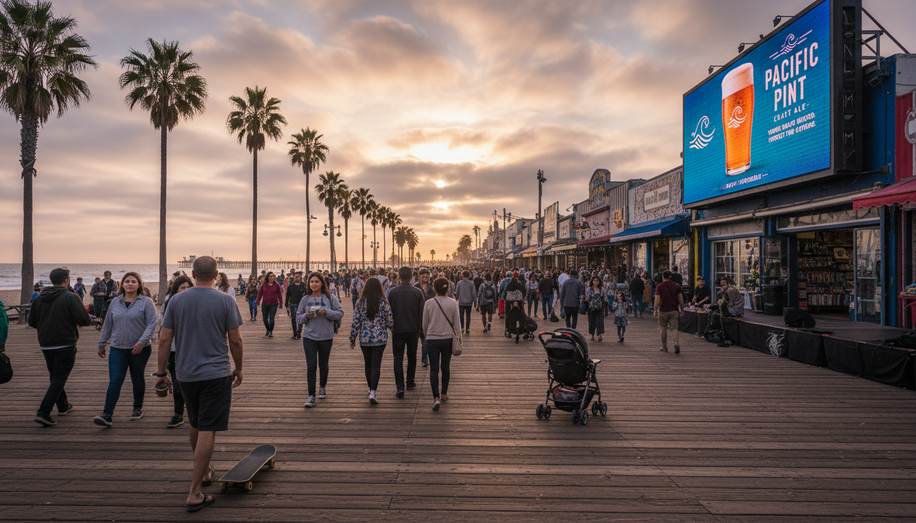

Geofencing technology is revolutionizing out-of-home (OOH) advertising by drawing virtual boundaries around physical ad locations, enabling brands to track consumer proximity and deliver hyper-personalized digital follow-ups that amplify campaign impact. This fusion of location data with traditional billboards, transit ads, and digital out-of-home (DOOH) screens transforms static displays into dynamic entry points for seamless omnichannel experiences, bridging the gap between offline exposure and online action.
At its core, geofencing relies on GPS, Wi-Fi, or RFID systems to monitor mobile devices entering predefined zones around OOH assets. Advertisers map these boundaries using software, creating perimeters as tight as a single billboard or as broad as a shopping district. When a smartphone crosses into the zone—say, during a drive past a highway billboard—the system captures anonymized location data, flagging the user for retargeting. GPS excels for expansive outdoor areas like roadways, while Wi-Fi boosts accuracy in dense spots such as malls or stations. This precision allows brands to connect physical encounters with digital precision, moving beyond broad demographics to target based on real-world behavior.
The effectiveness stems from heightened relevance and measurability, long-standing challenges for OOH. Traditional outdoor ads excel at mass awareness but struggle with attribution; geofencing changes that by quantifying who saw the ad and what they did next. For instance, metrics like foot traffic, dwell time, and conversion rates become trackable, revealing direct ROI lifts. Statistics underscore the power: geofenced campaigns boast a 7.5% average click-through rate—over eight times Facebook’s 0.9%—while driving 20% more store visits and 50% higher mobile engagement. Cost efficiency follows, as advertisers focus spend on high-intent zones rather than wasteful mass blasts.
Real-world campaigns illustrate the tailored experiences geofencing unlocks. Burger King’s audacious “Whopper Detour” geofenced rival McDonald’s locations within 600 feet, pushing app notifications for a one-cent Whopper that spiked downloads and sales, all layered atop OOH visibility. In retail, a clothing brand might fence a shopping district, pairing district billboards with mobile coupons to lure passersby. Event marketers geofence stadiums or arenas, following billboard teasers with ads for merchandise or upgrades. Starbucks took this to DOOH screens near offices, timing seasonal drink promotions for morning rushes and boosting cafe traffic. A beverage company at a music festival used geofencing for weather-responsive ads on nearby digital billboards—cold drinks on hot days, warm ones when chills hit—ensuring contextual punch.
For DOOH specifically, geofencing elevates dynamism. Screens can trigger content based on nearby events, traffic, or weather, while tracking interactions for attribution. A car dealership fenced its showroom, running weekend promos on proximate DOOH and measuring visit surges via mobile data. Programmatic platforms streamline this, feeding geofence data into real-time ad adjustments and sequential messaging: a commuter spots a billboard product, then gets a personalized mobile nudge hours later.
Benefits extend to competitive edges. E-commerce brands unify discovery and purchase, turning OOH into journey starters with higher conversions. Hyper-local tailoring shines—winter gear in ski towns, sunscreen at beaches—while multi-channel reinforcement boosts recall. Behavioral insights refine future buys: analyze engagement to optimize placements or messaging.
Yet success demands strategy. Bold OOH creatives must align with digital tails for cohesion. Clear goals—traffic, awareness, apps—guide fence size and triggers. Real-time monitoring lets advertisers tweak based on metrics like engagement or visits. Privacy remains key; opt-in location services and anonymized data build trust amid regulations.
As OOH evolves, geofencing stands as the linchpin for tailored impact. It turns unmeasurable impressions into data goldmines, proving location’s enduring primacy in a digital age. Brands ignoring it risk static relevance while pioneers forge measurable, resonant connections that drive results.