
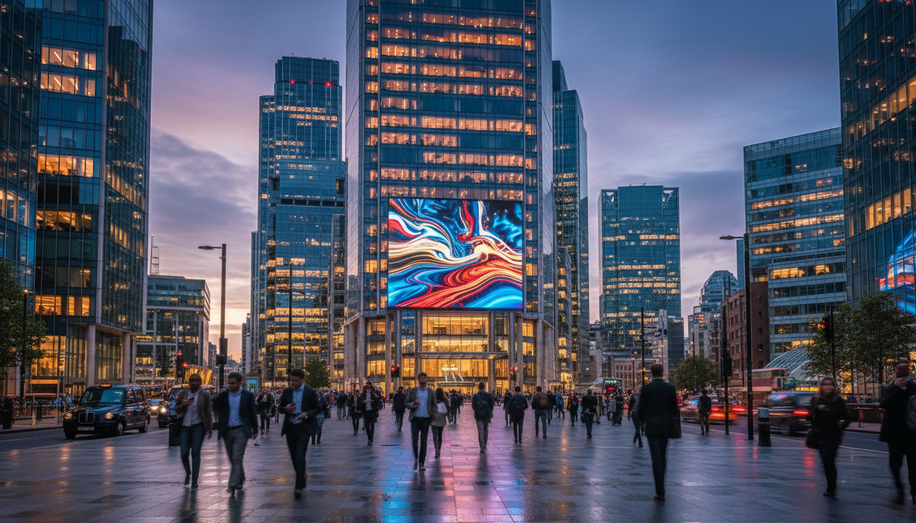

Smart cities are fundamentally reshaping the landscape of out-of-home advertising, creating unprecedented opportunities for brands to deliver personalized, data-driven campaigns at scale. As urban centers worldwide embrace interconnected technologies—from IoT devices to artificial intelligence—the advertising industry is witnessing a transformation that extends far beyond traditional static billboards.
At the core of this evolution lies the integration of intelligent technology into outdoor advertising infrastructure. AI-powered billboards now analyze vast amounts of data in real time, including traffic patterns, weather conditions, and audience demographics, to display the most relevant advertisements at any given moment. This capability represents a fundamental shift from one-size-fits-all messaging to hyper-personalized content. A digital display in a smart city might promote sunscreen during sunny morning hours, then seamlessly transition to raincoat advertisements as weather conditions change, all driven by live environmental data and AI algorithms. This dynamic approach ensures that advertising remains contextually appropriate and maximizes campaign effectiveness without requiring manual intervention.
The precision afforded by smart city infrastructure addresses one of advertising’s longstanding challenges: reaching the right audience at the right time. With satellite imagery, digital mapping, and AI-driven location analysis, advertisers can now select placements with unprecedented accuracy. From high-traffic intersections to specialized environments like gym entrances or university campuses, every location becomes a potential target for tailored messaging. This geographical specificity, combined with demographic data gathered from smart city networks, enables brands to craft messaging that resonates with local audiences while optimizing their return on investment.
One of the most transformative developments is the seamless integration between out-of-home advertising and mobile devices within smart city ecosystems. Technologies such as geofencing, QR codes, Bluetooth beacons, and near-field communication create direct bridges between physical billboards and digital experiences. A passerby scanning a billboard’s QR code might receive location-specific offers or access tailored content on their smartphone, creating measurable customer journeys from street to screen. This convergence not only enhances user experience but also provides advertisers with granular data about viewer engagement, from demographics to dwell time to actual conversion metrics.
Beyond commercial applications, smart city billboards serve broader urban functions that enhance their value proposition. AI-powered displays can instantly pivot to broadcasting critical public safety information during emergencies, integrating advertising infrastructure with civic infrastructure. This dual functionality transforms outdoor advertising from a purely commercial medium into a multi-purpose communication tool that serves both brand interests and public welfare.
Sustainability represents another critical dimension of this evolution. Smart technology is enabling outdoor advertising to reduce energy consumption without compromising visibility or impact. Automated lighting schedules and GPS-coordinated sunrise and sunset controls ensure that digital displays consume power only when necessary, cutting utility costs while maintaining advertiser expectations. This approach aligns outdoor advertising with smart cities’ broader sustainability goals, addressing environmental concerns that have historically plagued the digital advertising industry.
The technological sophistication now available is driving higher demand for outdoor advertising as a component of omnichannel marketing strategies. Advertisers can clearly measure and optimize campaign performance through integrated dashboards that provide real-time data access, making the entire process more transparent and actionable. This transparency justifies increased investment in OOH advertising, as brands can directly link ad exposure to specific customer actions and conversions.
Looking forward, emerging technologies promise even greater possibilities. Augmented reality is creating immersive experiences that blend digital elements with physical environments, while facial recognition systems enable content segmentation based on viewer profiles. These advancements suggest that the boundary between outdoor advertising and interactive digital experiences will continue to blur.
For OOH publishers and agencies, success in smart city environments requires embracing data integration and technological partnerships. Those who position themselves as technology-enabled partners capable of leveraging smart city infrastructure will thrive, while those clinging to traditional practices risk obsolescence. The future of outdoor advertising belongs to those who can harness the connectivity, data richness, and real-time capabilities that smart cities provide, transforming static streetscapes into dynamic, responsive advertising ecosystems.