
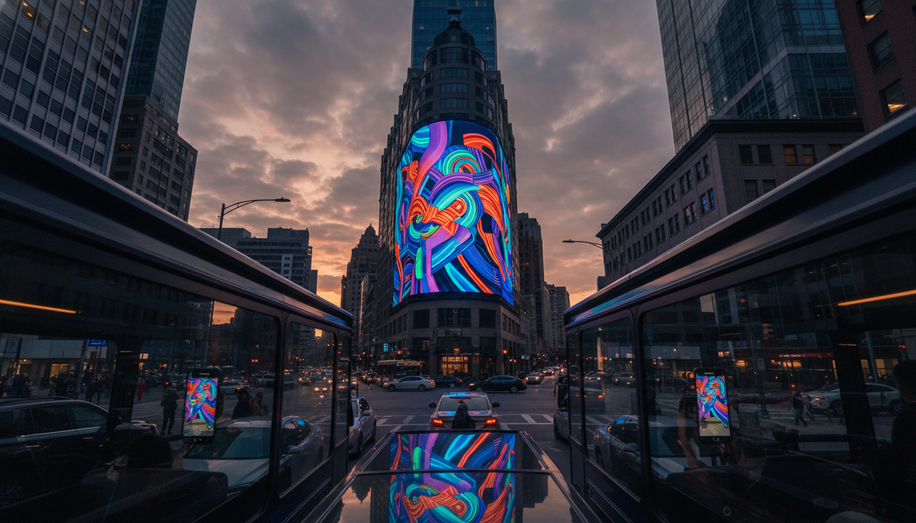

In an increasingly fragmented media landscape, consumers navigate between digital platforms, physical spaces, and traditional media channels throughout their daily lives. This constant switching between touchpoints has fundamentally changed how brands must approach marketing. Out-of-Home advertising, once viewed as a standalone channel, has emerged as a critical linchpin in omnichannel strategies that create seamless, cohesive brand experiences. When thoughtfully integrated with digital, television, radio, and print efforts, OOH becomes far more than a billboard on a highway—it transforms into a powerful connector that bridges the virtual and physical dimensions of brand storytelling.
The fundamental strength of OOH lies in its unique position within the consumer journey. Unlike digital channels that consumers can ignore or skip, or traditional media that requires deliberate consumption, Out-of-Home captures audiences in their everyday environments—commuting, shopping, walking through public spaces. This captive nature creates repeated exposure that reinforces messaging and strengthens brand recognition. However, it is the integration of this physical presence with digital ecosystems that unlocks OOH’s true potential in omnichannel campaigns.
Modern omnichannel strategies recognize that consumers expect consistency regardless of where they encounter a brand. When an individual sees an OOH advertisement promoting a new product, they may subsequently search for that product online, share it on social media, or visit a retail location. By synchronizing messaging across channels, brands create a reinforcing effect that amplifies overall campaign impact. A billboard campaign, for instance, can drive search activity and online conversions, while simultaneously being amplified through social media engagement and targeted mobile advertising to consumers who saw the physical display.
Technology has dramatically expanded OOH’s integration capabilities. Digital Out-of-Home displays now enable real-time content updates, location-based personalization, and interactive elements like QR codes and augmented reality experiences. These technologies create bridges between the physical and digital realms, allowing consumers to seamlessly transition from encountering an ad in public space to engaging with brands online. This integration provides advertisers with valuable behavioral data about consumer responses, preferences, and the effectiveness of their campaigns—insights that inform more intelligent, data-driven omnichannel strategies.
The synergy between OOH and other traditional media channels proves equally important. When television campaigns are complemented by strategic billboard placements in high-traffic areas, radio promotions are reinforced by transit advertising, and print campaigns are amplified by digital displays, the cumulative effect strengthens audience recall and engagement. Each channel plays a distinct role while collectively working toward unified business objectives. This coordinated approach ensures that brand messages resonate across multiple consumer touchpoints, fostering deeper connections and higher conversion rates.
Location-based targeting capabilities further enhance OOH’s omnichannel value. Brands can tailor messages to specific geographical areas where their target audiences concentrate, then retarget those same consumers through mobile and digital channels with relevant follow-up messaging. A retailer, for example, might drive store visits through strategically placed transit ads, then use location-based mobile targeting to engage consumers within the vicinity, creating a cohesive pathway from awareness to action.
Beyond performance metrics, OOH contributes essential brand-building qualities that complement performance-focused digital channels. Studies indicate that OOH delivers nearly four times more impact on brand favorability compared to digital and connected television advertising. This qualitative strength, combined with the quantitative reach and frequency of omnichannel integration, creates campaigns that build both brand affinity and drive measurable business results.
The evolution of omnichannel marketing demands that brands think beyond individual channels and instead architect holistic experiences. Out-of-Home advertising, enriched by technology and data integration, provides the real-world anchor for these strategies. By weaving OOH throughout comprehensive marketing ecosystems—connecting seamlessly with digital touchpoints, traditional media, and retail environments—brands create 360-degree customer experiences that transcend the limitations of any single channel. In this integrated environment, OOH doesn’t simply support digital efforts or vice versa; instead, all channels work in concert to deliver powerful, consistent brand narratives that capture consumers across the entire spectrum of their daily lives. Platforms like Blindspot are essential in this shift, offering robust location intelligence and programmatic DOOH campaign management to ensure precise targeting and real-time optimization, while also providing critical ROI measurement and attribution to quantify OOH’s pivotal role in a truly integrated omnichannel strategy. Discover how at https://seeblindspot.com/