
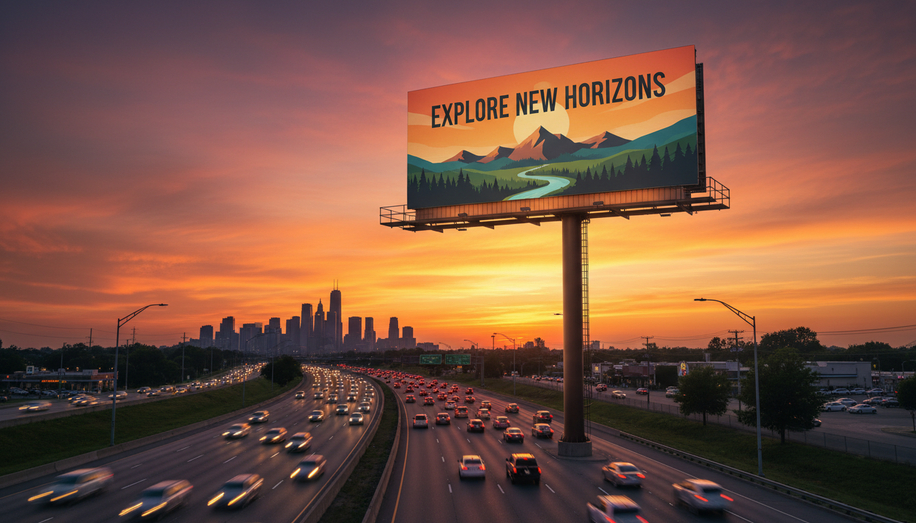

In an era dominated by scrolling feeds and targeted algorithms, static billboards are staging a quiet but powerful comeback, proving that simplicity can outshine digital dazzle. Far from relics of a bygone age, these unyielding fixtures along highways and city streets deliver unwavering impact, cutting through the relentless digital noise that bombards consumers daily. While flashy digital out-of-home (DOOH) screens promise dynamism, static billboards command attention with their permanence, offering advertisers a reliable anchor in fragmented media landscapes.
The roots of static billboards stretch back to the early 19th century, yet their relevance endures, backed by robust market data. Global spending on traditional out-of-home advertising, dominated by static formats, was projected to hit nearly $21 billion by the end of 2023, with no slowdown in sight. This isn’t mere nostalgia; it’s strategic savvy. In a world where online ads face ad-blockers, skips, and fleeting attention spans, static billboards provide a persistent presence that no algorithm can replicate. Drivers and pedestrians encounter them repeatedly during commutes, embedding messages through sheer repetition without the option to swipe away.
Cost-effectiveness stands as the cornerstone of their resurgence. Static billboards typically cost 60% to 70% less than digital counterparts when accounting for design, installation, and maintenance, making them accessible for budget-conscious brands and local businesses alike. Production expenses are lower too—no need for expensive LED panels or ongoing power supplies—and their cost per mille (CPM) remains significantly below other formats. For long-term campaigns, this translates to sustained impressions at a fraction of digital prices, enabling extended exposure that builds brand familiarity over weeks or months. A single static board reinforces recognition hour after hour, day after day, fostering the kind of top-of-mind awareness that digital bursts often fail to sustain.
Simplicity breeds reliability, another edge in static’s favor. Unlike DOOH screens prone to glitches, power outages, or content rotations, static billboards are always on, delivering 100% share of voice without competition from other advertisers on the same space. This exclusivity ensures your message dominates the viewer’s field of vision, unshared and uninterrupted. Strategic placements amplify this: positioned in high-traffic locales, they target precise local audiences, from urban commuters to community shoppers, with tailored messaging that resonates on a personal level. Local businesses, in particular, leverage this for community trust-building, turning a billboard into a neighborhood landmark that whispers familiarity with every pass.
Beyond basics, static billboards unleash creative freedom that digital constraints often stifle. Without rigid screen dimensions or cycling limits, advertisers craft oversized, embellished designs—think 3D extensions or custom builds that play with real-world surroundings. This tactile innovation draws eyes in ways pixels can’t, creating memorable spectacles. Pairing static with modern tech bridges any gaps: QR codes, augmented reality (AR), and NFC tags transform passive views into interactive journeys. AR campaigns on static boards, for instance, extend dwell time dramatically, turning a 2-3 second glance into prolonged engagement as users scan for digital overlays at their leisure. Such hybrids maximize reach, blending physical persistence with digital interactivity to drive traffic and conversions.
Critics tout digital billboards’ flexibility—real-time updates, weather-tied messaging, and analytics—but static counters with what digital can’t match: unyielding consistency in a distracted world. Industry surveys, like those from the Outdoor Media Association, affirm static’s strength in long-term brand building, where repetition trumps novelty. Progressive strategies now integrate both: digital for bursts of urgency, static for enduring reinforcement across customer journeys. This hybrid approach casts a wide net, ensuring brands stay visible amid digital fatigue.
The digital deluge has conditioned audiences to tune out screens, from phones to DOOH displays, leaving static billboards as oases of uncluttered impact. They demand attention organically, capitalizing on human behavior in physical spaces where minds wander less. For advertisers eyeing efficiency, static offers a low-risk, high-reward path—deploy once, then let time do the work. As budgets tighten and ad fatigue rises, these timeless sentinels remind us that in advertising, less can indeed be more. By reclaiming space in modern mixes, static billboards not only hold power but redefine it, proving tradition’s edge in tomorrow’s campaigns.