
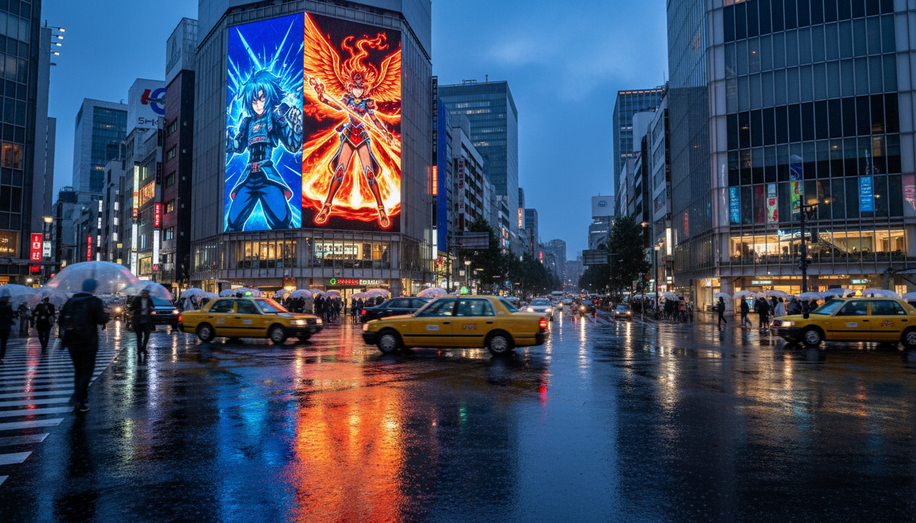

In the fragmented landscape of modern advertising, out-of-home (OOH) campaigns have evolved from broad blasts to surgical strikes, zeroing in on subcultures like dirt-track racers, biohackers, and professional snackers that defy traditional demographics. These niche groups—identified through social media audits, surveys, and intelligence tools—represent millions of passionate adults whose shared interests drive identity-fueled spending and peer-to-peer amplification. By mapping these communities and deploying tailored OOH placements, brands transform hyper-specific messaging into mass resonance, proving that precision targeting can scale cultural relevance into widespread impact.
The foundation lies in subculture mapping, akin to a GPS navigating hidden alleys where future customers congregate. Brands start with rigorous research: social listening on niche forums, Discord servers, and hashtags reveals slang, memes, and pain points that signal authentic entry points. Horizon Media’s subculture field guide, for instance, spotlights cross-generational passions like roller-skating, urging marketers to prioritize interests over age or income. This intelligence informs OOH strategies that place ads in high-traffic zones aligned with group habits—think billboards near dirt tracks for racing enthusiasts or bus shelters in biohacking hotspots buzzing with wellness retreats.
Geographic precision amplifies this approach. In sprawling markets like Los Angeles, OOH leverages neighborhood insights: East L.A. and Boyle Heights draw multicultural Gen Z with trend-forward creatives, while San Fernando Valley targets bilingual families via commuter routes. Hyperlocal tactics, including geofencing, ensure ads speak directly to immediate surroundings, boosting relevance and engagement. A Chicago campaign for Latinx artists exemplifies this, incorporating Spanish text on billboards and wallscapes to honor growing Hispanic communities—provided brands use native speakers to avoid cultural missteps. Such placements aren’t random; they mirror mobility patterns, turning everyday commutes into intimate conversations.
Creative execution demands cultural fluency, encapsulated in frameworks like the Four Rs: Respect, Recognition, Relevance, and Reciprocity. Tailored visuals and narratives celebrate subculture values—struggles, humor, triumphs—fostering trust that outpaces celebrity endorsements. Red Bull mastered this by building OOH-adjacent content verticals for extreme sports micro-communities, from skate parks to cliff-diving spots, where ads blend seamlessly with the action. Collaborations with micro-influencers and local artists co-create authenticity; for event promoters in 2026, guerrilla OOH like posters in fan hangouts drives buzz and ticket sales by infiltrating where subcultures live offline.
This niche-to-mass alchemy hinges on amplification. Subcultures aren’t passive; they remix resonant messages, sharing via trusted networks for laser-focused credibility. OUTFRONT Media notes that OOH tailored to cultural identities deepens connections, sustaining relevance in diverse markets. When a biohacking ad hits near supplement shops or a snacker campaign graces food truck rallies, it sparks organic spread, elevating micro-engagement to macro perception. Brands like those betting on roller-skaters extend this through responsive content series, syncing OOH with social channels for unified immersion.
Challenges persist, particularly avoiding appropriation. Rushed translations or trend-chasing without nuance breed backlash; instead, ongoing monitoring ensures campaigns evolve with subcultures. Yet successes abound: multicultural OOH in urban enclaves has proven that honoring geography, heritage, and trends builds lasting equity. As audiences demand purpose-driven alignment—sustainability, local support, shared ideals—OOH’s physicality offers unskippable proximity.
Ultimately, specialized OOH flips the script on mass marketing. By pinpointing subculture strongholds—whether racetracks, skate rinks, or snack conventions—and infusing creatives with genuine insight, brands ignite movements that ripple outward. This strategy not only captures attention amid fragmentation but propels niche loyalty into cultural phenomena, redefining scale in an era of passionate tribes.