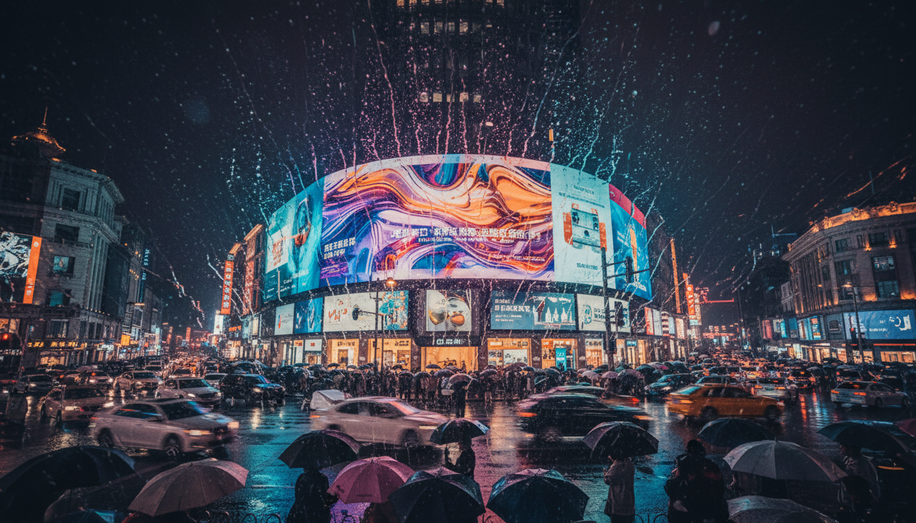
The programmatic DOOH landscape has fundamentally transformed how marketers approach out-of-home advertising, shifting from static, weeks-in-advance bookings to dynamic, data-driven campaigns that adapt in real time. This evolution centers on the ability to optimize every dollar spent against the right exposures through sophisticated bidding strategies and real-time inventory management that would have been impossible in the traditional direct-buy era.\n\nAt the heart of programmatic DOOH lies real-time bidding, a mechanism that allows advertisers to compete for individual impressions as they become available rather than committing to fixed placements. Unlike traditional DOOH campaigns locked into predetermined schedules, programmatic environments evaluate trigger conditions—such as time windows, weather changes, or audience thresholds—and deliver the most relevant creative through logic-driven decisioning. This represents a fundamental departure from the “set-it-and-forget-it” approach that characterized older media buying models.\n\nThe performance advantages of this system are substantial. Real-time bidding optimizes three critical factors: relevance, timing, and cost. Advertisers no longer guess where their ads might work; instead, they leverage data-driven decisions that evaluate dozens of signals including device type, location, browsing behavior, and content context to ensure ads are shown to the right person at the right moment. This precision translates directly into higher click-through rates, stronger engagement, and better conversion outcomes compared to static placements.\n\nDeveloping an effective bidding strategy requires a multi-layered approach grounded in historical performance data and real-time analytics. Successful programmatic DOOH campaigns begin with leveraging data from previous initiatives and industry benchmarks to identify which locations, time slots, and audience segments have generated the highest engagement rates. For instance, if data reveals that weekday evenings yield superior engagement for a particular demographic, advertisers can allocate disproportionate budget to those peak periods rather than distributing spend evenly across the day. This granular approach prevents overpaying for impressions during low-engagement windows while maximizing impact during high-value moments.\n\nReal-time monitoring and adjustment capabilities represent another competitive advantage. Rather than waiting for post-campaign reports, advertisers can redirect bids to higher-performing screens or swap out underperforming creative immediately. During a heatwave, for example, a beverage company can increase bids for screens near beaches, parks, and outdoor shopping centers where consumers are demonstrably more responsive to cold drink advertisements. This dynamic reallocation prevents budget waste on low-engagement placements while capitalizing on emerging opportunities driven by external factors such as seasonal trends or live events.\n\nThe financial model itself favors optimization. Traditional billboards required long-term bookings and fixed pricing, often resulting in inefficient spending when audience engagement fluctuated. Programmatic DOOH shifts this burden, allowing advertisers to pay per impression rather than lump sums for predetermined screen time, and only when the ad is actually displayed. This impression-based pricing, combined with the ability to set conditions ensuring advertising occurs within specified CPM or budget limits, fundamentally improves cost efficiency.\n\nDynamic creative optimization represents the frontier of programmatic DOOH performance enhancement. Rather than displaying static messaging, advertisers can set rules once and allow the system to automatically adjust creative based on real-time data triggers like weather or time of day. A clothing retailer might display sunglasses advertisements during sunny conditions and umbrellas during rain, all managed automatically without manual intervention. This context-driven approach transforms how brands communicate with audiences in specific environments and moments.\n\nThe strategic advantage extends beyond individual campaign execution. Programmatic DOOH streamlines the buying process itself, eliminating time-consuming negotiations with media owners and collapsing lead times from weeks to seconds. Marketers spend less time on administrative tasks and more on strategic work, enabling faster market response to competitive threats or emerging opportunities. When market conditions shift—whether due to competitor activity or unexpected demand—campaigns can be paused, redirected, or optimized without renegotiation.\n\nFor brands operating in fast-moving environments where conditions change daily, programmatic DOOH’s combination of agility, data-driven precision, and real-time control has become indispensable. The ability to adapt budgets, pacing, creative rotation, and activation rules instantaneously transforms OOH from a static medium into a dynamic channel that competes effectively with digital advertising’s flexibility while maintaining the impact and reach of physical screens.
Programmatic DOOH: Transforming Out-of-Home Advertising with Data and Real-Time Optimization