
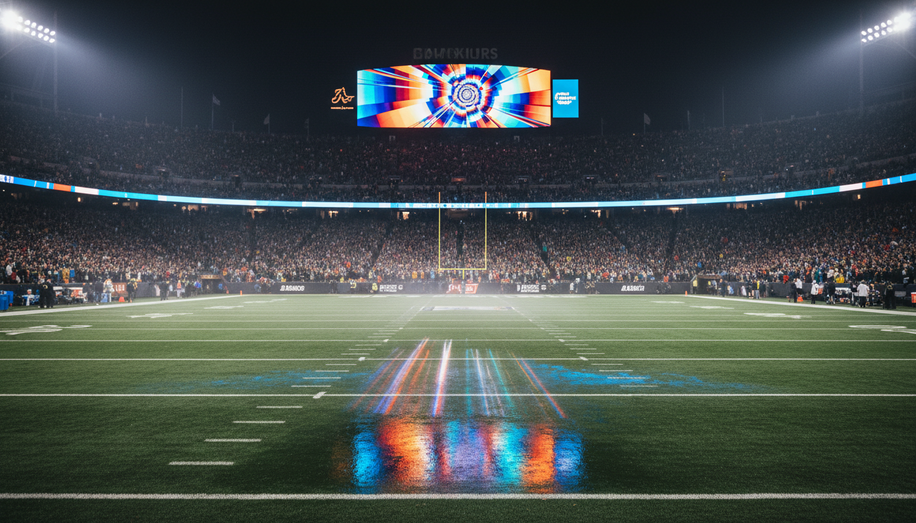

In the high-stakes world of out-of-home (OOH) advertising, niche placements like sports stadiums, university campuses, and convention centers offer advertisers unparalleled access to captive, passionate audiences far removed from the clutter of urban billboards or transit hubs. These specialized environments transform advertising from mere visibility into immersive experiences, where brands can harness event-driven energy and demographic precision to drive awareness and loyalty. A campaign in stadiums and arenas, for instance, targets event attendees during sporting events or concerts, creating moments of undivided attention amid roaring crowds.
Consider sports arenas, where the roar of the crowd amplifies every message. Strategic placements on jumbotrons, concourses, scoreboards, and perimeter boards deliver dynamic content to thousands of fans in high-energy settings. Digital OOH (DOOH) shines here, enabling real-time updates that sync with game action—think live odds for betting partners or weather-triggered promotions for apparel during rainy matches. One case study highlighted digital perimeter advertising with high-contrast, repetitive messaging along field edges, boosting visibility as fans’ eyes naturally gravitated to the action; simple interactive elements, like photo-sharing prompts, further extended engagement beyond the venue. Research from EMC Outdoor demonstrated this power: a culturally relevant campaign across markets like Philadelphia and New York achieved an 88% awareness lift through place-based media in high-impact zones, proving that alignment with local demographics and events maximizes recall.
University campuses present another fertile ground, blending daily routines with bursts of school spirit. High-traffic spots—entrance gates, student unions, dining halls, libraries, and athletic fields—capture students in moments of transition or congregation. On game days, stadiums and fields become hubs of enthusiasm, allowing brands to tap into collective pride; dining halls, frequented multiple times daily, foster lingering exposure where ads spark conversations over meals. Digital screens add versatility, with bright, motion-filled visuals tailored to campus events, from exam-week promotions to weekend specials, offering interactivity that static formats can’t match. This targeted approach suits brands chasing young, impressionable demographics, turning routine campus navigation into branded touchpoints.
Convention centers extend this model to professional networks, though their event-specific nature demands even sharper timing. Vast concourses and entry points mirror stadium layouts, providing centralized exposure to attendees primed for discovery—think trade show delegates or conference-goers with dwell time in queues or lounges. While less documented than sports venues, parallels emerge from arena strategies: DOOH on entry screens or digital walls can rotate messaging to match agendas, from keynote tie-ins to sponsor activations, enhancing prestige by associating brands with industry luminaries.
Yet these opportunities come with unique hurdles. Venues impose strict guidelines on content, sizing, and timing to preserve the fan or attendee experience—stadiums prioritize non-distracting visuals during play, while campuses navigate institutional branding rules. NIL deals in college athletics have elevated facility standards, indirectly raising ad integration expectations through premium sponsorship zones that blend seamlessly with architecture and wayfinding. Measurement poses challenges too; unlike transit’s dwell metrics, success here hinges on proxies like social shares from interactive ads or post-event surveys tracking recall. Extending reach beyond the venue amplifies impact—DOOH in “everyday fan spaces” like sports bars or gyms captures the 99% of fan time spent outside stadiums, using dynamic creative optimization for contextual relevance, such as communal watch parties where screens fuel shared emotions.
Brands succeeding in these arenas prioritize cultural fit and data-driven placement. Stadium campaigns thrive on brevity and boldness, leveraging the venue’s prestige to elevate products from snacks to luxury autos. Campus efforts excel with student-centric relevance, like event-tied promotions that feel organic rather than intrusive. Convention plays demand B2B precision, focusing on decision-makers in high-value networking phases. Emerging trends, including AR overlays on DOOH or geo-fenced extensions to rideshares, promise even deeper immersion.
Ultimately, niche OOH in these environments demands a shift from volume to velocity—fewer impressions, but each hyper-targeted and amplified by context. As audiences crave authenticity amid digital fatigue, these placements deliver tangible, shared moments that billboard arrays can’t replicate, positioning brands at the heart of unforgettable experiences.