
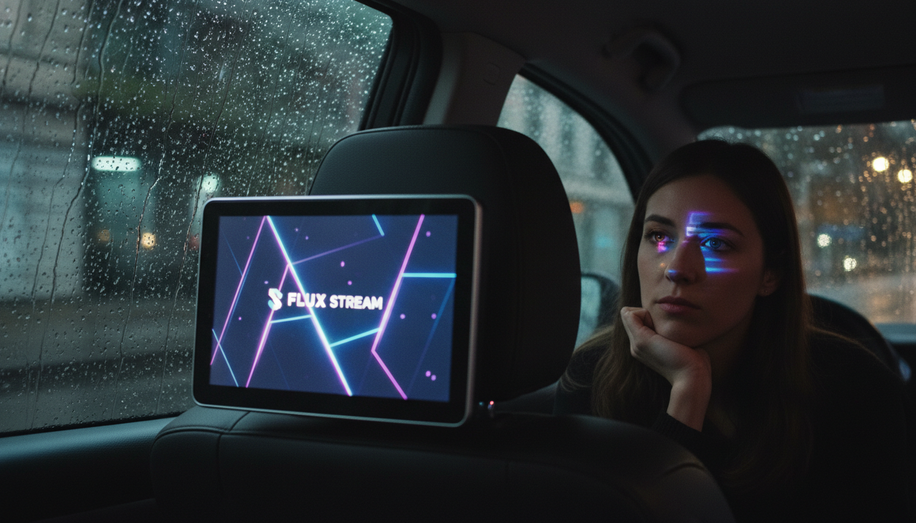

In the ceaseless rhythm of urban life, transit advertising transforms everyday commutes into dynamic canvases for brand storytelling, reaching audiences far beyond the confines of airport terminals. Buses, trains, subways, and taxis offer a mobile gallery where ads glide through city streets, capturing not just riders but pedestrians, drivers, and entire neighborhoods in their path. This form of out-of-home (OOH) media leverages the predictable flow of public transportation to deliver repeated exposure, turning routine journeys into opportunities for deep engagement and recall.
The power of transit advertising lies in its unmatched visibility and frequency. Exterior wraps on buses and trains traverse bustling avenues, exposing messages to non-riders as they navigate traffic or sidewalks, while 62% of U.S. jobs sit within a half-mile of transit stops, positioning these ads at the heart of economic activity. Inside vehicles, digital screens command attention during rides averaging 15 to 45 minutes, where passengers face few distractions, fostering strong message retention. Subways amplify this with captive audiences in tunnels and stations, and taxis provide intimate, point-to-point encounters during unpredictable urban treks. Unlike static billboards, these moving ads follow fixed routes daily, ensuring commuters encounter them repeatedly—boosting brand recall by up to 70% through sheer repetition.
Creative strategies elevate transit ads from mere visibility to immersive experiences. Full-vehicle wraps turn buses into rolling spectacles, their bold visuals cutting through the blur of motion, while interior digital displays rotate messaging by time of day, weather, or traffic conditions for hyper-relevance. In subways, backlit panels and LED pillars along platforms seize dwell times of 60 to 90 minutes in high-traffic hubs, blending static impact with digital dynamism. Taxis shine for localized targeting, with roof-top screens or door ads adapting to neighborhoods via programmatic buying, which automates placements based on real-time data like congestion or events. Campaigns that sequence creatives—showing a story across multiple screens or rides—create narrative arcs that linger in memory, outperforming one-off exposures.
What sets transit apart is its precision in geographic and community targeting. Advertisers map routes to pinpoint neighborhoods, office corridors, or retail zones, tailoring languages, local events, or cultural motifs to resonate deeply. Pairing this with geofencing reinforces exposure via mobile follow-ups, driving measurable lifts: dynamic triggers yield 2 to 4 times higher engagement, and proximity-based ads boost store visits by 5 to 15% for quick-service restaurants. In diverse cities, multilingual creatives on specific subway lines or bus fleets foster inclusivity, while augmented reality overlays—scannable via QR codes—invite interaction, turning passive viewers into active participants.
Beyond riders, transit’s reach ripples outward. Exterior ads on taxis and trains snag eyes from cyclists and motorists amid gridlock, and stations in shopping districts or business centers draw crowds year-round. Post-pandemic urban revival has supercharged this, with transit OOH anchoring recovery in high-density areas. Digital out-of-home (DOOH) networks connect thousands of screens for seamless campaigns, optimizing cost per mille (CPM) through audience density or retail proximity triggers. Eco-friendly vinyls and sustainable wraps appeal to modern brands, aligning visibility with values.
Success stories underscore the ROI. A 45-day campaign using metro wraps and digital bus screens generated 1.2 million impressions, a 60% website traffic surge, and tripled app downloads in a local market. Retailers report foot traffic spikes when ads activate near stores along routes, proving transit’s prowess for performance goals like sales and attribution. Interactive elements, such as QR-linked offers in train cars, convert dwell time into direct action, while bold visuals in distracting environments—think vibrant subway murals or taxi-top animations—spark curiosity and shares.
Challenges like ad fatigue or clutter demand ingenuity: shorter, punchier messages with high-contrast designs thrive, and data-driven rotations prevent staleness. Yet, the medium’s adaptability—merging physical trust with digital responsiveness—positions it as indispensable for 2026’s hybrid campaigns. Transit advertising doesn’t just interrupt commutes; it moves with them, weaving brands into the urban tapestry for lasting impact. As cities pulse faster, this moving canvas remains a vital tool for connecting with audiences on the go.