
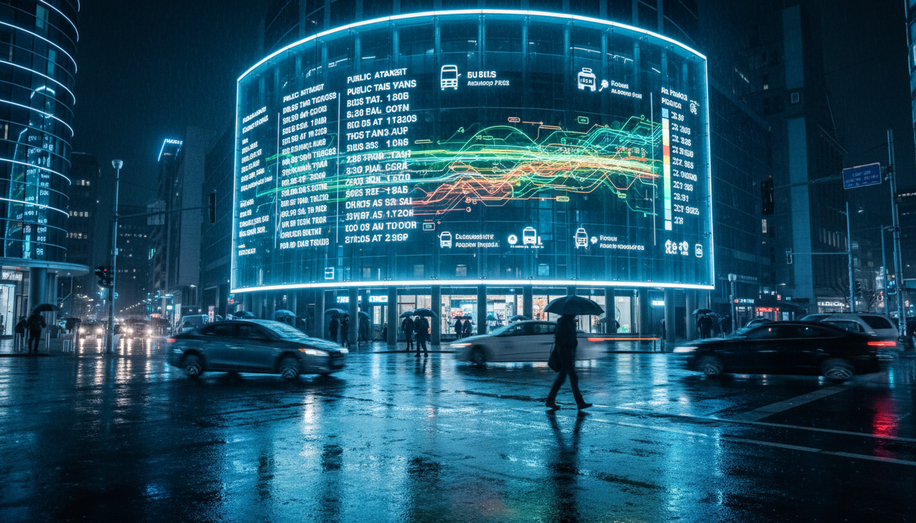

In the evolving tapestry of urban landscapes, out-of-home (OOH) advertising is transcending its traditional role as a mere billboard spectacle to become a vital nerve center in smart city ecosystems. Digital out-of-home (DOOH) platforms, from interactive kiosks to dynamic screens in high-traffic zones, now weave seamlessly into the fabric of city infrastructure, channeling real-time data to enhance public services and foster connected citizen experiences. This integration positions OOH not just as a commercial tool, but as a contributor to urban intelligence, where advertising revenue subsidizes development and screens deliver contextual information alongside brand messages.
Smart cities, defined by their fusion of Internet of Things (IoT) sensors, AI-driven analytics, high-speed 5G networks, and real-time data flows, provide the perfect backbone for this evolution. Consider the bustling metro stations, smart bus shelters, and EV charging points where DOOH screens thrive. These displays adapt content instantaneously—switching from traffic alerts during rush hour to weather updates or event notifications based on live urban data. In Singapore and Barcelona, for instance, such systems have turned mundane transit hubs into hubs of utility, where residents access public service announcements while brands capitalize on captive audiences with tailored ads. This dual functionality boosts civic engagement: a screen might notify commuters of delays via city-linked sensors, then pivot to a localized promotion, creating a symbiotic flow of information and commerce.
Programmatic DOOH takes this further, automating ad buys much like online platforms, enabled by smart city connectivity. Advertisers leverage anonymized mobility data—footfall patterns, commuter behaviors, and zonal demographics—to target precisely, ensuring messages resonate in context. A screen near a business district might serve professional networking ads during weekdays, shifting to leisure promotions on weekends, all optimized by AI without human intervention. This precision not only heightens campaign effectiveness but also generates valuable urban insights; aggregated data from viewer interactions feeds back into city planning, refining traffic management or crowd control. As one industry analysis notes, OOH’s integration with urban sensors creates “urban facts”—detailed profiles of movement and behavior—that benefit both municipalities and marketers.
Beyond advertising, DOOH elevates public services and aesthetic appeal. Interactive installations in city centers double as information portals, offering wayfinding, emergency alerts, or sustainability tips powered by central data hubs. In London trials, energy-efficient screens have displayed digital art alongside civic messages, transforming drab corners into vibrant public galleries that encourage dwell time and community interaction. Partnerships between OOH operators, city governments, and tech firms are key here; by aligning with local objectives, advertisers ensure campaigns enhance rather than clutter the environment. Revenue from these displays, in turn, funds street furniture upgrades or sensor networks, as envisioned in smart city business models where ad dollars underwrite infrastructure.
The citizen experience benefits profoundly from this connectivity. QR codes and augmented reality overlays on DOOH screens bridge physical and digital realms, driving users to apps for deeper engagement—be it booking a ride-share or exploring a virtual brand tour. This omnichannel synergy amplifies reach: a pedestrian sees a synchronized ad on a smart kiosk, reinforcing messages from social media or email, fostering brand recall through repeated, context-rich exposure. In high-dwell zones like airports or malls, these encounters create immersive narratives, blending utility with persuasion. Moreover, sustainability features in modern DOOH—such as solar-powered, low-energy panels—align with smart city green goals, reducing urban carbon footprints while maintaining visibility.
Yet challenges persist. Privacy concerns around data usage demand robust anonymization, and equitable access ensures underserved areas aren’t left behind. Successful implementations hinge on collaboration: OOH firms pooling expertise with city planners to tailor solutions that prioritize community needs. As cities like Dubai and Toronto expand smart initiatives, DOOH’s role grows, promising measurable impacts—from elevated brand metrics to smoother urban flows.
Ultimately, OOH in smart cities redefines urban development, turning advertising into a public good. By harnessing data streams for real-time relevance, enhancing services, and connecting citizens, these platforms illuminate the path to more responsive, vibrant metropolises. The message is clear: in the smart city era, OOH isn’t just seen—it’s felt, utilized, and integral.