
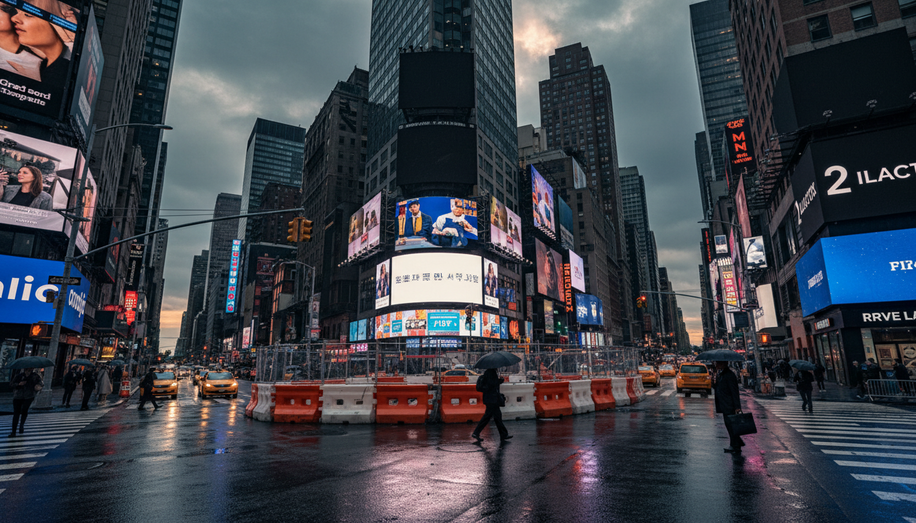

In the fast-evolving world of out-of-home (OOH) advertising, success hinges not just on creative brilliance or prime placements, but on mastering the labyrinth of regulations, permits, and legal compliance. Marketers and agencies ignoring this “red tape” risk fines, ad removals, or campaign shutdowns that can derail budgets and timelines. As outdoor ad spend surges—forecasted to grow 8% annually through 2026, with digital out-of-home (DOOH) leading the charge—navigating these rules has become a non-negotiable skill for delivering compliant, high-impact campaigns.
At the federal level in the U.S., the Highway Beautification Act (HBA) of 1965 sets the foundation, empowering states to control billboards along interstate highways and federal-aid primary highways within 660 feet of the right-of-way. This law, detailed in 23 U.S.C. §131 and 23 C.F.R. Part 750, aims to enhance motorist safety and preserve scenic beauty, prohibiting new signs in many areas unless they meet strict spacing, size, and lighting criteria. States like Georgia enforce these through departments of transportation, where the Official Code of Georgia Annotated (O.C.G.A.) 32-6-70 et seq. mandates permits for all outdoor advertising signs, with online applications required since September 2025. Recent updates under MAP-21 have expanded controls to parts of the National Highway System, including some city and county roads, complicating placements in urban corridors.
Yet federal oversight is just the starting point; state and local jurisdictions hold the real reins, creating a patchwork of rules that demand meticulous research. Most areas regulate rather than ban billboards outright—a study of 215 cities found the majority permit new construction—but permits are universally required for public spaces, covering everything from static billboards to transit wraps and street furniture. Agencies must secure these from local governments or road authorities, often facing fees to offset administrative costs. In highway-controlled zones, signs cannot block visibility or encroach on rights-of-way without explicit approval, and land-use permits stipulate conditions like mounting on posts rather than trees, regular maintenance, and prompt removal post-campaign.
Zoning laws add another layer, dictating ad dimensions, positioning, and content by district. Residential zones might cap sizes or ban lighting to curb visual clutter, while commercial hubs allow larger formats but enforce setbacks from roads and buildings for safety and aesthetics. Proximity restrictions abound: no ads near schools, churches, hospitals, nursing homes, or military bases to respect sensitive environments; bans along scenic byways like the Blue Ridge Parkway or Pacific Coast Highway to safeguard views; and even “line-of-sight” practices spacing competing ads to avoid clustering. Lease agreements often embed non-compete clauses, barring rivals from the same property’s inventory.
Content regulations scrutinize messaging as rigorously as placement. Local ordinances prohibit obscene, deceptive, or hazardous copy—think no flashing lights distracting drivers or politically charged slogans in restricted zones. Weather-resistant digital billboards must use durable LED panels and waterproof casings, but even they face illumination limits to prevent glare. Emerging privacy laws like GDPR and CCPA loom large for data-driven DOOH, requiring responsible handling of audience analytics from heatmaps or mobility data. Ethical pitfalls, such as culturally insensitive creatives, can spark backlash, underscoring the need for compliance checks before launch.
Sustainability mandates are tightening the noose further. Cities increasingly demand eco-friendly substrates—biodegradable or recyclable materials—while shunning toxic chemicals. Solar-powered DOOH networks are becoming standard, aligning with environmental standards that prioritize energy efficiency. Campaigns may face duration caps or renewal mandates, with some jurisdictions imposing moratoriums on new builds or repairs to phase out legacy structures gradually.
For marketers, the path forward starts with partnering with OOH specialists versed in local nuances—agencies that vet inventory for compliance and handle permitting upfront. Tools like Georgia DOT’s online portal streamline applications, but proactive due diligence trump all: map regulations by target market, audit creative for red flags, and build buffer time into timelines for approvals. Skipping steps invites peril; one overlooked permit can trigger fines exceeding campaign costs or force hasty redesigns.
In practice, brands blending compliance with innovation thrive. Heatmap-driven placements maximize reach without zoning violations, while permitted transit ads sidestep billboard bans in restrictive cities. As regulations evolve—stricter on privacy, greener on materials—the agile marketer turns constraints into advantages, fostering trust and amplifying ROI. Proactive compliance isn’t bureaucracy; it’s the bedrock of enduring OOH dominance in 2026 and beyond. This is where platforms like Blindspot become indispensable, offering advanced location intelligence and site selection tools to navigate the intricate web of federal, state, and local regulations. By integrating comprehensive zoning and permit data, Blindspot empowers marketers to identify compliant placements and ensure every campaign adheres to legal standards, transforming regulatory hurdles into strategic advantages. Learn more at https://seeblindspot.com/