
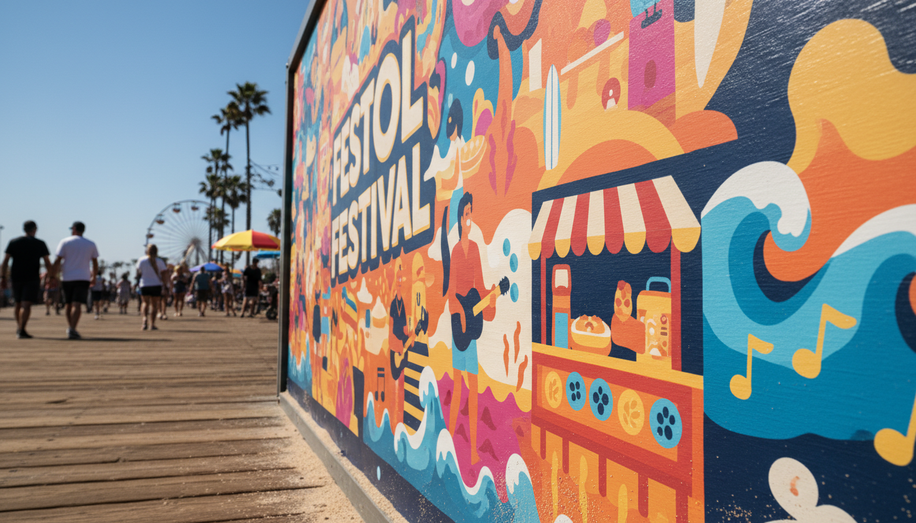

Out-of-home advertising’s success depends not just on creative vision, but on the complex machinery that transforms that vision into physical reality. From the moment a designer conceives a billboard concept to the final installation on a bustling highway, a carefully orchestrated process unfolds—one fraught with technical challenges, logistical hurdles, and environmental considerations that separate exceptional campaigns from forgettable ones.
The journey begins with material selection, a decision that reverberates throughout the entire production and installation process. Large-format printing requires specialized substrates capable of withstanding exposure to sunlight, rain, snow, and temperature fluctuations. Materials and electronic components must be weather-resistant and durable, which substantially increases initial production costs. Advertisers must weigh the longevity of premium materials against budget constraints, knowing that a poorly chosen substrate could render months of planning and creative work invisible or damaged within weeks of installation.
The printing process itself demands precision that rivals industrial manufacturing. Unlike digital advertising, where imperfections can be corrected instantaneously, large-format printing requires exact color calibration, proper ink application, and careful handling to prevent warping or creasing. The scale of outdoor advertisements—often towering stories high—magnifies even minor printing errors into highly visible failures. A misaligned graphic or color shift that would go unnoticed in a magazine becomes glaringly apparent when viewed from 100 feet away.
Once the creative leaves the printing facility, the logistical choreography intensifies. Installation timelines are notoriously demanding, with lead times ranging from four to 16 weeks for premium locations. This extended planning window exists not merely for booking purposes but because the physical installation itself requires extensive preparation. Site surveys must determine structural integrity, electrical requirements, and weather exposure patterns. In urban environments, securing necessary permits and navigating zoning regulations can consume weeks of administrative work before a single installation crew arrives on-site.
The installation process itself presents multilayered challenges. Outdoor advertisements exist at the mercy of environmental forces that indoor media never encounters. Heavy rain, snowstorms, and poor visibility conditions can reduce ad effectiveness and complicate installation scheduling. Installation crews must contend with weather windows, limited working hours, and safety considerations that come with working at heights. For digital outdoor displays, the complexity multiplies—electrical infrastructure must be properly integrated, backup systems installed, and ongoing maintenance protocols established.
Material degradation represents an ongoing concern that extends far beyond installation day. Ultraviolet radiation bleaches colors, moisture infiltrates seams, and wind creates stress on adhesive bonds. Weather conditions play a significant role in the long-term effectiveness of out-of-home advertising, with exposure to sunlight, rain, and snow impacting visibility and consumer interaction. This reality demands that advertisers budget not just for initial production and installation, but for regular maintenance cycles that refresh worn materials, repair damage, and ensure continued visibility.
Vandalism compounds these challenges, particularly in high-traffic urban areas. A controversial message or installation in a vulnerable location can face defacement or destruction, requiring rapid response capabilities and sometimes necessitating redesign or relocation. This unpredictability makes location selection not just a strategic decision about audience reach, but also a calculated risk assessment about physical security.
The technological integration increasingly expected in modern OOH advertising introduces yet another layer of complexity. Digital components require significant investment in infrastructure and pose challenges in maintaining and updating electronic systems. A malfunctioning digital display represents not just a technical failure but a missed revenue opportunity and potential brand damage.
Despite these obstacles, understanding the intricacies of OOH production and installation remains essential for campaign success. The brands that achieve outsized returns recognize that exceptional creative means nothing without flawless execution. The craft behind the canvas—the engineering, logistics, and meticulous attention to material science—ultimately determines whether an OOH campaign becomes a memorable landmark or an expensive mistake.
Navigating these inherent complexities—from site preparation to long-term material resilience—is paramount for OOH success. Blindspot’s platform addresses this by providing precise location intelligence and site selection tools, significantly streamlining the exhaustive planning phase and mitigating risks associated with environmental wear and physical security. Moreover, real-time campaign performance tracking allows advertisers to monitor actual visibility and promptly respond to issues like degradation or technical malfunctions, preserving campaign integrity and investment. https://seeblindspot.com/