
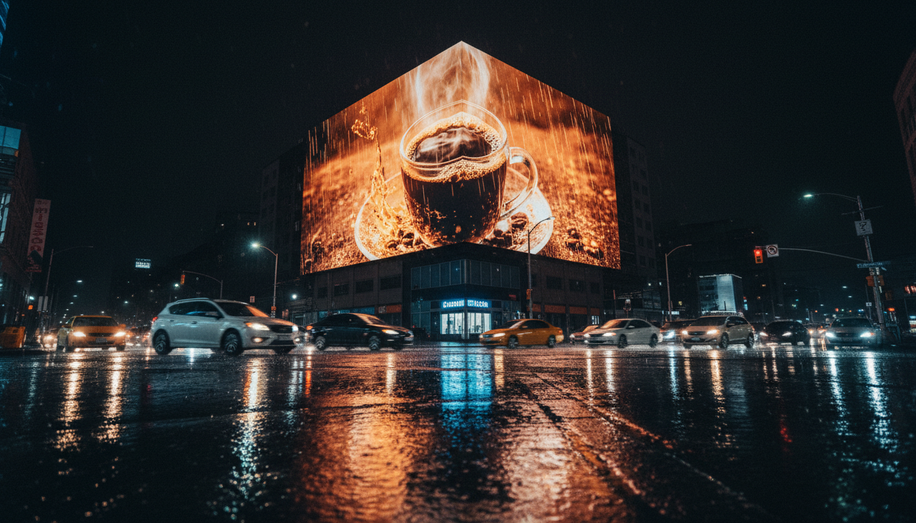

In the fast-evolving landscape of out-of-home (OOH) advertising, digital billboards are no longer static canvases but responsive storytellers that adapt to the whims of weather and local happenings. Predictive weather data and event-driven triggers enable campaigns to deliver hyper-relevant messages, transforming passing glances into lasting impressions and driving measurable consumer action. This dynamic approach, powered by real-time APIs and programmatic platforms, ensures ads align perfectly with the moment, boosting engagement in ways traditional media cannot match.
At the heart of these systems lies sophisticated weather integration. Digital OOH networks pull live data from professional APIs, capturing hyper-local details like temperature, precipitation, wind speed, humidity, cloud cover, UV index, air quality, and even pollen counts. Using precise geographic coordinates, billboards process this information continuously, matching it against pre-loaded ad libraries to select the most pertinent creative. For instance, as a heatwave grips a city, screens might seamlessly shift to icy beverage promotions or sunscreen reminders, while a sudden downpour triggers ads for umbrellas or hot coffee. Platforms like Blip and Blindspot simplify setup, allowing advertisers to define triggers—say, temperatures above 85°F or rainfall exceeding 0.1 inches—and automate updates without manual intervention, all for budgets as low as $20 per day.
The impact on consumer behavior is profound. Weather influences shopping habits in predictable yet immediate ways: cold snaps spur coat sales, scorching days boost soda and sports drink demand. Brands leveraging these triggers report striking results. Beverage companies have seen up to 22% higher sales during heatwaves with real-time activations, while Molson Coors achieved an 89% click-through rate lift using hot-day prompts paired with frosty visuals. Weather-activated ads also command 90% recall rates, far surpassing the 65% of generic static creatives, as they tap into the psychological pull of relevance. Quick-service restaurants like McDonald’s dynamically pivot from iced drinks in the heat to warm comfort foods when temperatures drop, capitalizing on real-time intent.
Beyond weather, event-driven OOH extends this reactivity to local schedules, traffic patterns, and commuter data, creating a fuller contextual tapestry. Programmatic digital OOH (DOOH) platforms analyze event calendars alongside meteorological feeds, activating tailored messages for festivals, sports games, or rush-hour surges. A billboard near a stadium might promote team merchandise pre-game on a sunny afternoon, then switch to rain gear if showers threaten kickoff. In 2024, this fusion revolutionized global DOOH, with screens evolving into intelligent responders that blend environmental cues with behavioral insights for emotionally resonant storytelling.
Technology underpins it all. AI enhances predictive capabilities, sifting vast datasets to forecast behavior shifts—anticipating, for example, a spike in outdoor apparel buys on mild, sunny days ideal for workouts. Providers like Spire deliver high-resolution, satellite-derived weather via Radio Occultation, enabling cookie-free targeting that prioritizes privacy and brand safety. Vistar Media and The Weather Company layer in anonymized sales and third-party data across zip codes, building triggers for moods influenced by conditions like a 85°F swing in hours, as seen in New York’s Adirondacks. Secure digital signage networks ensure glitch-free transitions, with ads refreshing in seconds to maintain high-quality displays.
This model optimizes spend by minimizing waste. Ads run only when conditions align, delivering smarter impressions over sheer volume and maximizing ROI. Retail, quick-service, and travel sectors lead adoption, where weather directly sways decisions—think sports brands spiking engagement on perfect running days. Contextual relevance outperforms static placements, fostering trust without invasive tracking and aligning with the shift away from third-party cookies.
Challenges remain, particularly in volatile climates where rapid shifts demand robust infrastructure. Yet, the upside is clear: dynamic OOH turns billboards into proactive partners in consumer journeys. As platforms democratize access—even for small businesses—these campaigns are set to proliferate, proving that timing isn’t just everything; it’s the message itself. In an era craving authenticity, weather and event triggers make OOH not just visible, but viscerally connected.