
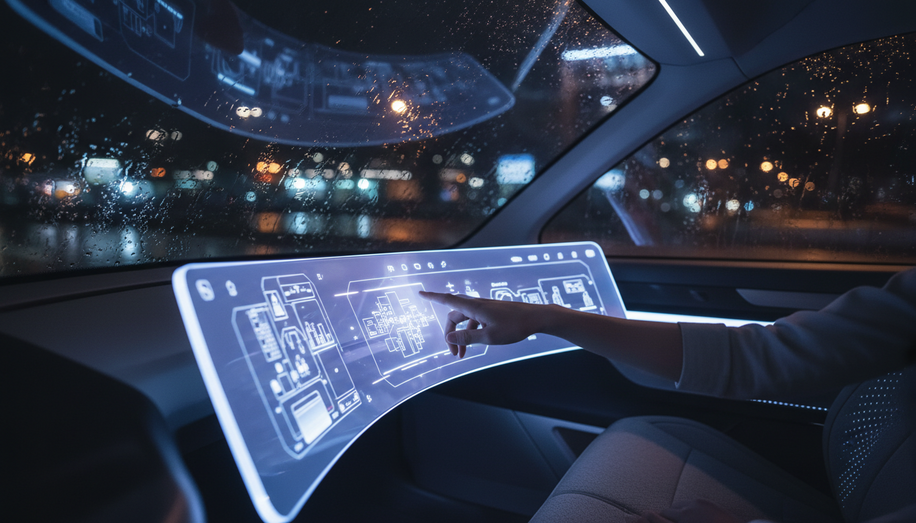

Connected vehicles are transforming transportation into a captive advertising medium, creating an unprecedented opportunity for out-of-home advertising within the vehicles themselves. With 400 million connected cars already on roads worldwide and 97 percent of new vehicles equipped with connected screens, the in-vehicle advertising market represents one of the most significant emerging channels for advertisers and publishers seeking to reach engaged audiences during their commutes.
The addressable market for in-vehicle advertising is substantial. Industry analysts project that in-car e-commerce revenues could reach between $100 and $120 per vehicle annually by 2030, creating a market exceeding $50 billion globally—larger than the combined U.S. advertising spend on podcasts, outdoor advertising, and streaming video. This scale positions in-vehicle advertising as a major player in the broader digital advertising ecosystem, potentially representing 8 to 10 percent of total digital ad spend within five years.
Ride-sharing and taxi services present particularly compelling opportunities for this emerging advertising channel. These vehicles spend extended periods on the road, capturing drivers’ attention during crucial decision-making windows. Unlike traditional billboards or transit advertising, in-vehicle digital screens offer dynamic, personalized content that can adapt in real time based on location, time of day, and passenger demographics. A passenger traveling through a commercial district receives targeted messaging from nearby retailers, restaurants, and services—messaging that translates directly into foot traffic and sales conversions.
The measurement capabilities available through in-vehicle advertising distinguish it from traditional out-of-home formats. Sophisticated tracking systems can monitor whether drivers who received an advertisement actually visited the advertised location, providing attribution that static billboards cannot match. One leading in-car advertising platform reports that its ads generate a 3 to 7 percent boost in parking rates at advertised locations on average, translating directly to measurable business outcomes. This level of accountability appeals to advertisers accustomed to digital metrics and skeptical of traditional OOH’s attribution challenges.
Autonomous vehicles represent the next frontier for this advertising channel. As self-driving technology matures, passengers will have even more leisure time and attention available during rides. The interior environment of autonomous vehicles can feature larger, more prominent digital displays without safety concerns related to driver distraction. Content opportunities expand significantly—passengers might engage with interactive advertising, entertainment partnerships, or sponsored services integrated directly into their ride experience. Autonomous fleet operators, eager to establish new revenue streams beyond ride fares, will likely prioritize advertising partnerships as a core business strategy.
The growth trajectory of this market is extraordinary. Industry leaders report annual growth rates tripling year-over-year, suggesting that the market is still in its infancy. Early adopters in automotive advertising technology are positioning themselves to capture significant market share as the channel scales. For OOH publishers and media companies, this represents a strategic opportunity to develop in-vehicle advertising capabilities before the market consolidates around dominant platforms.
Privacy and safety considerations will shape how this advertising channel evolves. Passengers expect a seamless experience, not an intrusive one. Effective in-vehicle advertising respects viewing context—a passenger checking their phone while waiting at a red light has different attention patterns than one relaxing during a longer ride. Publishers and advertisers who develop sophisticated audience insights without compromising passenger privacy will differentiate themselves in this competitive space.
The convergence of connected vehicle penetration, autonomous vehicle development, and advertiser demand for measurable, location-based advertising creates a rare market inflection point. In-vehicle advertising within ride-shares and autonomous fleets represents a natural evolution of out-of-home advertising—reaching audiences in transit, providing location intelligence, and delivering measurable results. For OOH professionals and organizations, the question is no longer whether in-vehicle advertising matters, but how quickly they can build the capabilities and partnerships necessary to compete in what will become one of advertising’s most valuable channels. To truly capitalize on this market inflection point, OOH professionals require advanced platforms that deliver the granular measurement and precise targeting demanded by in-vehicle advertising. Blindspot empowers OOH leaders with real-time campaign performance tracking, robust ROI measurement and attribution, and crucial location intelligence, enabling them to transition seamlessly into this dynamic and highly accountable channel. Learn how to optimize your in-vehicle advertising strategy at https://seeblindspot.com/