
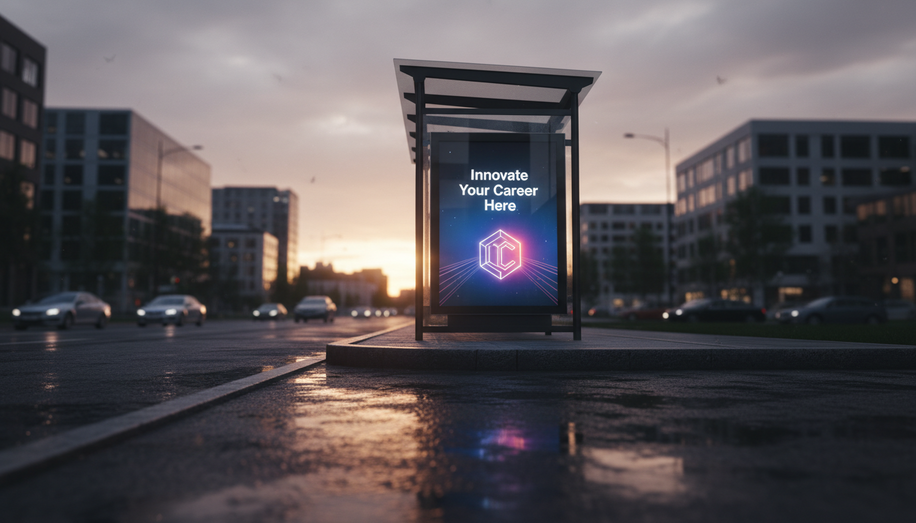

In the fiercely competitive job market of 2026, where top talent is bombarded with digital noise from LinkedIn to TikTok, companies are rediscovering the raw power of out-of-home (OOH) advertising to cut through the clutter and lure elite candidates. Billboards, mobile trucks, and transit ads deliver unskippable messages in the real world, transforming everyday commutes into recruitment opportunities and building employer brands that linger in the minds of passive job seekers.
OOH excels at elevating employer brand awareness, a critical edge when 75% of candidates research companies before applying, often swayed by visibility over salary alone. Traditional static billboards in high-traffic zones like highways, airports, and shopping centers blanket urban landscapes, ensuring repeated exposure that fosters familiarity and trust. Watco, a full-service supply chain firm, deployed billboards to fill specialized roles, while Tillamook recruited dairy operation talent through strategic outdoor displays, proving the medium’s ability to reinforce a company’s community presence and appeal to locals not scouring job boards. Digital mobile billboard trucks take this further, roaming directly to talent hotspots—business districts, universities, or even community events—to deliver dynamic, video-rich messages that adapt in real time. These vehicles, as Can’t Miss US notes, combine billboards’ reach with pinpoint mobility, parking near tech hubs for software engineers or medical centers for nurses, creating memorable impressions that digital ads can’t match in physical space.
Targeting specific talent pools demands precision, and OOH’s strength lies in its geographic intelligence. Recruiters can select placements aligned with demographics: transit ads on buses and trains capture commuting professionals in cities, while gas station posters snag truck drivers, as Grainger did for high-paying logistics gigs. For nurses, billboards near hospital routes tell a compelling story—a quick call-to-action like “Join Our Team: Stability Awaits” with a QR code linking to applications—keeping the employer top-of-mind for infrequent job switchers, much like car brands build long-term awareness. Law enforcement offers stark examples: Wyoming’s Laramie County Sheriff’s Office used billboards to poach Denver officers, touting rural perks over urban chaos, while Plano, Texas, police highlighted career stability in high-visibility spots, drawing diverse applicants amid shortages. Guerrilla tactics amplify this: flash mobs, street art, or interactive installations surprise passersby, forging emotional bonds that make brands unforgettable, as ARTS recommends for HR marketing.
Driving applications requires more than visibility; it hinges on cost-effective impact and seamless conversion. OOH boasts the lowest cost-per-thousand impressions (CPMs) among traditional media, outpacing even digital in some metrics, per Solomon Partners, allowing budget-strapped firms to reach passive candidates overlooked by online channels. Amazon ramps up OOH during seasonal rushes for warehouse roles, generating buzz that funnels applicants to career sites. Best practices emphasize brevity: bold graphics, minimal text readable at 60 mph, and scannable QR codes or custom URLs that track traffic spikes—essential since viewers have mere seconds to engage. Wilkins Media reports these campaigns not only boost qualified leads but enhance overall efforts by hitting candidates “at the right time and place,” from morning subways to evening gyms.
Yet success demands strategy over scattershot spending. Location trumps all—analyze commuter data to hit your audience where they live, work, and play. Pair OOH with digital amplification: a billboard sparks curiosity, social media nurtures it, and events like career fairs seal conversions. Community sponsorships via custom posters at local events build goodwill, signaling authentic investment in causes that resonate with prospects. For global firms, exhibitions offer face-to-face wins, turning ads into dialogues.
Critics might dismiss OOH as outdated in an AI-driven era, but data tells otherwise: it reaches non-job-searchers, those top talents ignoring algorithms, with 94% unaided recall rates far surpassing online banners. As recruitment evolves, blending OOH’s analog punch with hybrid tracking—measuring foot traffic lifts or application surges—positions it as indispensable. Companies ignoring it risk invisibility; those embracing it, from sheriffs to shippers, are hiring faster and smarter, proving outdoor advertising isn’t just seen—it’s felt.