
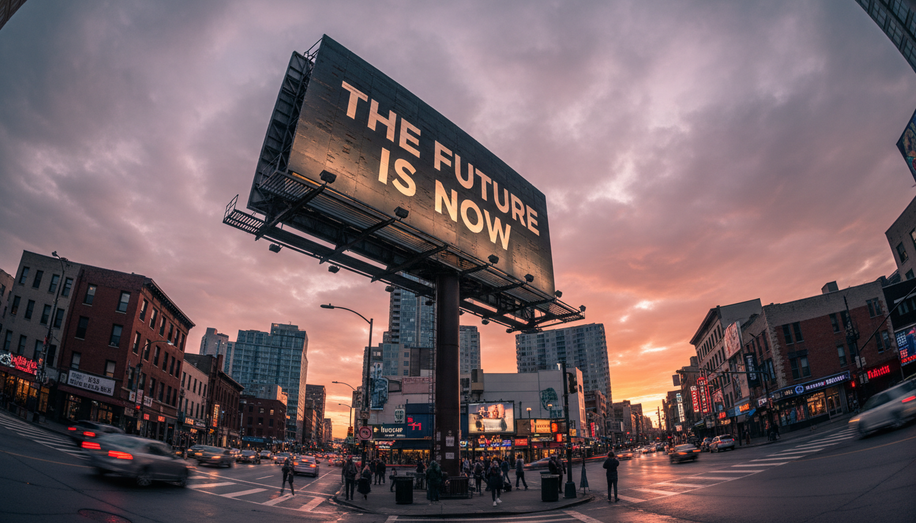

In an era dominated by endless digital scrolls and algorithm-driven feeds, classic static billboards are staging a quiet but powerful comeback, proving their unyielding ability to cut through the noise with unmatched visibility and cost efficiency. These towering sentinels of the physical world—fixed, unchanging, and omnipresent along highways and city streets—offer advertisers a reliable anchor amid the fragmentation of online attention spans. Far from relics of a bygone age, traditional billboards deliver broad reach to millions daily, demanding eye contact in ways that skippable banners and ad-blocked videos simply cannot.
Consider the raw numbers: a national study reveals that 71 percent of drivers notice roadside billboards, with 37 percent glancing at them every time they pass, fostering repeated exposure that cements brand recall along commuter routes. This isn’t fleeting interaction; it’s persistent imprinting. Unlike digital ads lost in bloated social feeds or hampered by privacy regulations, static billboards thrive on their immutability, providing 24/7 visibility without the intermittency of digital counterparts that rotate messages on shared screens. In high-traffic zones, they accumulate impressions week after week, turning passive passersby into subconsciously primed consumers. Research from DASH TWO underscores this potency, showing billboards averaging a staggering 497 percent ROI—$6 returned for every $1 spent—particularly when layered with mobile extensions that amplify conversions by up to 316 percent.
Cost-effectiveness further bolsters their resurgence. Traditional static billboards sidestep the premium pricing and maintenance demands of digital out-of-home (DOOH) setups, which, while flexible, often command higher monthly fees due to shared rotation and tech infrastructure. For brands seeking mass awareness without breaking the bank, static options deliver constant exposure at a fraction of digital campaign costs, especially in local markets where geographic targeting trumps hyper-personalized data mining. This affordability resonates in 2026, as out-of-home advertising surges toward a projected $9.89 billion U.S. market, fueled by marketers reallocating budgets from faltering digital channels plagued by banner blindness and ad fatigue. Static billboards, in particular, anchor this boom, offering a trustworthy medium for political campaigns, tourism boards, and regional retailers hungry for real-world impact.
Their relevance endures because they inhabit the tangible spaces where digital falters: bustling highways, urban arterials, and event corridors where consumers crave authenticity over intrusive tracking. In a world of splintered TV audiences and mistrustful data ecosystems, billboards provide frictionless, unskippable encounters that build top-of-mind awareness. Paired strategically with online touchpoints—such as geo-targeted follow-ups or social reinforcements—they create a seamless funnel: the billboard sparks curiosity, digital ads nurture it, and conversions follow. This hybrid potency is no accident; 80 percent of respondents in key studies report noticing billboard messages at least some of the time, with half doing so frequently, driving measurable lifts in search traffic, site visits, and footfall.
Yet, the classic format’s strength lies in its simplicity amid rising complexity. While DOOH innovations like AI sensors, augmented reality overlays, and programmatic buying dazzle with dynamism—boasting 82 percent recall rates even a month later—static billboards retain an edge in bold, singular storytelling. They demand no app downloads or scans; their oversized visuals pierce the peripheral vision of drivers and pedestrians alike, evoking emotional resonance through humor, joy, or stark relevance to the immediate environment. Sustainability trends amplify this appeal, with eco-materials like biodegradable vinyl and solar integrations making static displays greener without sacrificing punch, aligning with 72 percent of consumers who favor environmentally conscious brands.
Critics might point to tracking limitations—billboards lack the pixels of digital ads—but evolving measurement tools, including AI-driven emotional response analytics, are closing the gap by 2026, linking physical views to downstream actions with precision. Agencies now treat static OOH as a foundational layer in cohesive campaigns, matching it to goals: mass visibility on billboards, neighborhood precision via street furniture. Brands like those in Los Angeles’ iconic Sunset Boulevard leverage these for cultural breakthroughs, where towering static displays capture shifts in real time amid palm-lined traffic, outperforming digital for visual dominance and event tie-ins.
Ultimately, classic static billboards pack a punch because they reclaim advertising’s primal power: commanding shared public space with clarity and reliability. In a digitally saturated landscape, they remind us that sometimes, the most effective message is the one you can’t ignore—or swipe away. As OOH evolves with smart hybrids and data playbooks, the traditional billboard stands resilient, proving that in marketing’s marathon, endurance often trumps flash.