
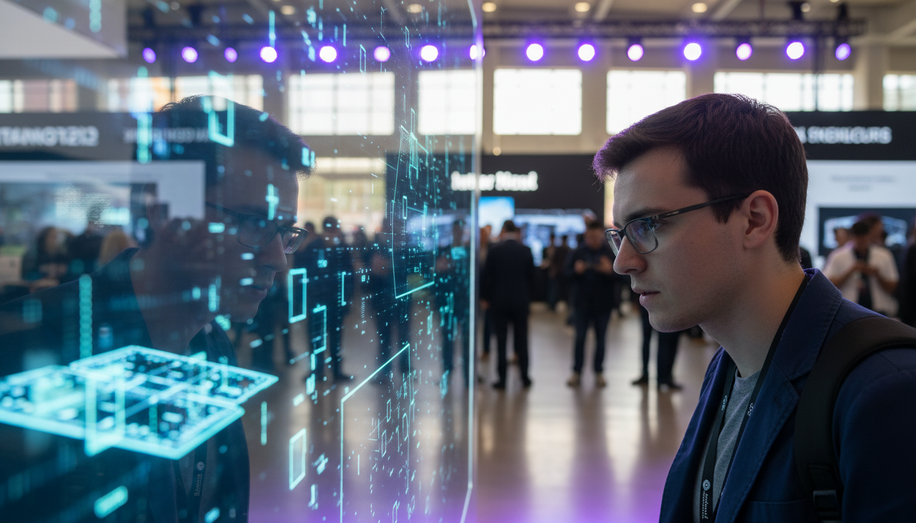

In the bustling streets of Tokyo, a towering digital billboard by Coca-Cola transformed rush-hour commutes into interactive playgrounds last year, using augmented reality to let pedestrians scan QR codes and “pour” virtual drinks that synced with nearby smart screens, dispensing real-time coupons based on weather data. This campaign exemplified the global surge in programmatic digital out-of-home (pDOOH) advertising, projected to dominate over 40% of outdoor ad spend by 2026 as brands leverage automation for precise, dynamic messaging. From Asia’s neon-lit metropolises to Europe’s smart cities, out-of-home (OOH) is evolving from static signage into a responsive ecosystem, blending physical impact with digital intelligence to capture fragmented consumer attention.
Technological advancements are at the forefront, with pDOOH enabling real-time adaptations that traditional billboards could never match. In New York, Nike’s screens shifted content from motivational runs during morning traffic to recovery tips in the evening, triggered by local weather and footfall data, boosting engagement by integrating AI-driven optimization. Programmatic buying automates placements across premium networks, allowing advertisers to target “liquid audiences” based on movement patterns rather than fixed locations, a shift forecasted to draw budgets away from saturated digital channels toward high-impact urban spaces. Globally, this data-driven precision—factoring in events, demographics, and even air quality—marks a departure from broad-brush tactics, mirroring the sophistication of online platforms while capitalizing on OOH’s unskippable presence.
Interactive formats are pushing boundaries further, turning passive viewers into participants. Paris saw Renault’s 3D holographic display at the Champs-Élysées, where motion sensors activated immersive car demos, increasing dwell time by up to 40% and sparking viral social shares. Similarly, in Sydney, a guerilla activation by Airbnb used AR overlays on street furniture—bus stops and bike racks—to let users “unlock” virtual stays, bridging physical ads to app downloads via QR codes. These experiential tactics, including gamified kiosks and flash mobs, foster shareable moments that extend reach organically, with 56% of consumers discussing memorable OOH encounters and 26% visiting brand sites directly. As urbanization accelerates, mobile billboards prowling event zones amplify this, delivering hyper-local relevance in high-mobility environments.
Sustainability weaves through these innovations, aligning with eco-conscious consumers. In London, Unilever’s solar-powered DOOH panels for Dove recycled materials while displaying adaptive messages on body positivity, resonating through authentic, non-preachy narratives that drove 6% higher action rates. Energy-efficient LEDs and carbon-neutral setups are now industry norms, enhancing brand purpose without compromising visibility. This green pivot coincides with emotional storytelling’s resurgence; bold, humorous formats tap into the 95% of purchases influenced by feelings, creating cultural moments that digital struggles to replicate.
Campaigns blending OOH with omnichannel strategies showcase global ingenuity. Kiehl’s winter takeover in the Alps integrated billboards, lift-line posters, pop-up skin analyses, and influencer content, turning skiers’ waits into personalized experiences that blurred OOH with retail and social. In São Paulo, Spotify’s street screens synced playlists to nearby moods—upbeat for festivals, chill for commutes—linking to mobile via passive interactions like proximity beacons, proving short, contextual formats outperform static visuals. These integrated efforts position OOH as a “global operating system,” measuring uplift through foot traffic analytics and sales automation.
Looking ahead, 2026 forecasts a $40.42 billion OOH market, fueled by DOOH’s 24.9% rebound trajectory and pDOOH’s maturation. Inclusivity gains traction too, with multilingual audio features and tactile elements ensuring accessibility amid diverse urban populations. Yet challenges persist: fragmented regulations across markets demand agile planning, while ad fatigue risks underscoring creativity’s role.
For advertisers, these trends signal opportunity. From Tokyo’s AR pours to Alpine pop-ups, groundbreaking campaigns prove OOH’s power to forge emotional connections in real-world moments. By embracing programmatic flexibility, interactive immersion, sustainable design, and omnichannel synergy, global brands and local innovators can craft foresight-driven strategies that not only stand out but drive measurable growth in a trust-eroding media landscape. As cities pulse with smart infrastructure, OOH stands ready to redefine public engagement, one dynamic screen at a time.
Navigating this sophisticated OOH ecosystem, with its blend of programmatic flexibility and real-time data demands, requires intelligent tools. Blindspot directly addresses these needs, offering programmatic DOOH campaign management, advanced audience measurement, and ROI attribution to empower brands with precise targeting, real-time optimization, and clear performance insights. This enables advertisers to maximize impact and drive measurable growth across the dynamic urban landscape. https://seeblindspot.com/