
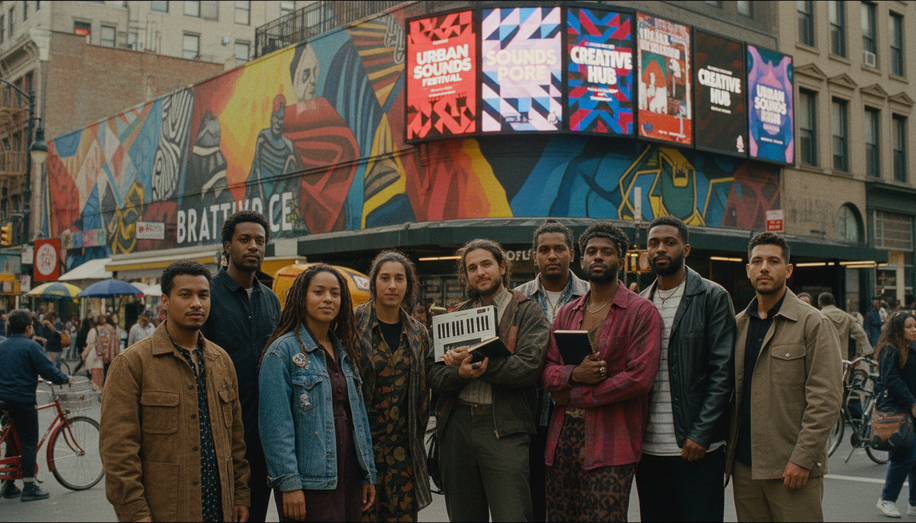

In the bustling heart of a city, where mainstream billboards blast messages to the masses, a quieter revolution is underway. Out-of-home (OOH) advertising is evolving beyond broad appeals, zeroing in on niche communities and subcultures that digital platforms often overlook. These elusive groups—vegan food enthusiasts, vintage car restorers, or high-end anglers—demand precision, not volume. By mastering placement, creative execution, and deep community insight, brands can forge genuine connections that resonate long after the ad fades from view.
Strategic placement forms the bedrock of this targeted approach. Unlike scattershot campaigns chasing sheer impressions, OOH thrives on hyper-local intelligence. Advertisers dissect demographics, psychographics, and geographics to pinpoint spots where niche audiences congregate. For sportswear aimed at children’s athletics, billboards near youth sports complexes or school routes eclipse generic urban placements. High-end fishing gear finds its mark along angler-frequented highways or near outdoor recreation hubs, ensuring the message lands squarely with those who live and breathe the pursuit. This location-based targeting considers not just traffic volume but audience composition—age, income, behaviors—transforming passive passersby into primed prospects.
Community understanding elevates placement from tactical to transformative. Hyper-local campaigns demand immersion: demographic analysis reveals age, gender, and spending patterns, while ethnographic dives uncover cultural nuances and local events. Engaging subcultures means mapping their habitats—pet insurance ads near veterinary clinics or organic skincare promotions outside farmers’ markets. Proximity to competitors can amplify visibility, but true efficacy lies in being where the audience already gathers, from transit hubs for urban commuters to rural trails for off-grid enthusiasts. Seasonal timing sharpens the edge; Halloween-themed vegan treats on billboards during spooky season tap into event-driven fervor, creating urgency that digital skips can’t match.
Creative design seals the deal, wielding brevity and bold visuals to pierce fleeting glances. OOH affords mere seconds of attention, so text must distill essence—catchy taglines and punchy headlines that speak the subculture’s language. Imagery dominates: striking visuals of weathered vintage cars for restoration services or sleek diabetic shoes in action evoke instant affinity. Incorporating subculture-specific motifs—slang, icons, or humor—builds relatability, while consistent branding with logos and colors fosters recall across repeated exposures. For offline niches like older demographics seldom online, these tangible spectacles cut through screen fatigue, delivering 24/7 presence that digital can’t replicate.
Yet creativity alone falters without resonance. Tailored messaging decodes behaviors and values, using culturally attuned language to bridge gaps. A billboard for pet insurance might feature a beloved local breed or nod to community adoption drives, signaling insider knowledge. Collaborations amplify this: partnering with subculture influencers or events places ads in immersive contexts, like co-branded wraps at vintage car shows. This surprise element sparks buzz, extending reach through word-of-mouth in tight-knit circles.
Complementing OOH with multi-channel reinforcement maximizes impact. Billboards build awareness in physical spaces, while social media and targeted online ads drive action—QR codes linking to niche forums or e-commerce. For vegan communities, a street-level ad near plant-based eateries pairs with Instagram retargeting, creating a seamless loop. This hybrid strategy suits hard-to-reach groups, blending OOH’s unskippable mass with digital’s precision.
Challenges persist: measuring niche ROI requires blending footfall data, geofencing, and brand lift studies. Yet success stories abound. Niche brands report outsized engagement when OOH aligns with audience lifeways, proving that precision trumps scale. In an era of ad fatigue, OOH’s physicality offers authenticity—ads that feel like part of the community fabric, not interruptions.
Ultimately, reaching the unreachable hinges on empathy. Advertisers who invest in subculture ethnography don’t just advertise; they participate. By placing boldly, designing insightfully, and understanding profoundly, OOH pierces silos, turning elusive audiences into loyal advocates. In a fragmented world, this is advertising’s new frontier: intimate, inescapable, and profoundly effective.