
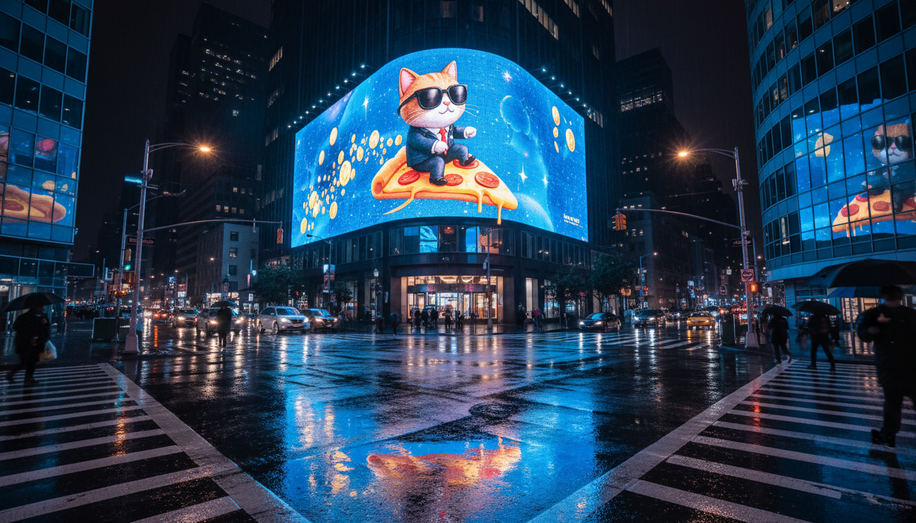

In the bustling streets of 2026, out-of-home (OOH) advertising stands as a beacon amid the digital deluge, profoundly shaped by cultural shifts toward authenticity, sustainability, and shared joy. As consumers weary of algorithmic feeds saturated with distrust and fragmentation, brands are pivoting to billboards, digital screens, and experiential installations that command unskippable attention in real-world spaces. This resurgence reflects a broader cultural craving for tangible connections, where OOH evolves from static signage to dynamic cultural touchpoints, mirroring societal values like environmental consciousness and communal experiences.
Cultural trends in 2026 underscore OOH’s pivot from intrusive digital targeting to context-aware storytelling that feels organic and joyful. Privacy expectations have skyrocketed, eroding faith in data-hungry platforms, while social media’s endless scroll fosters skepticism toward performance metrics inflated by auction pressures. In response, advertisers embrace OOH’s inherent trust—its physical presence in high-traffic zones like transit hubs, malls, and even waterways delivers predictable geographic reach without opaque ecosystems. This aligns with a cultural zeitgeist prizing “joy and humor” over moralizing, as evidenced by campaigns leveraging festivals, sports events, and real-time moments to spark emotional resonance. Such culturally attuned creatives boost action by 6 percent and purchase intent by 1.3 times, while lifting brand esteem 41 percent and fame 32 percent, transforming billboards into communal rallying points.
Sustainability emerges as the dominant cultural force redefining OOH strategies, driven by eco-conscious consumers demanding accountability from brands. No longer optional, green practices like solar-powered billboards, recyclable materials, and energy-efficient LED displays have become industry standards, enhancing perception among audiences attuned to climate urgency. Carbon-neutral campaigns and biodegradable banners signal genuine commitment, weaving environmental messaging into public spaces without preachiness—think purpose-driven ads at trailheads for outdoor brands, fostering advocates through authentic integration. This shift responds to regulatory pressures on privacy and content, positioning OOH as compliant and forward-thinking in a landscape where digital falters under scrutiny. Forecasts predict digital out-of-home (DOOH) will claim over 40 percent of outdoor ad spend by 2026, fueled by these sustainable innovations that blend cultural relevance with measurable impact.
Interactivity and immersion further amplify OOH’s cultural adaptability, blurring physical and digital boundaries in ways that captivate urban nomads. Augmented reality (AR) overlays on bus shelters, touch-enabled kiosks, and gamified contests extend dwell time by 20 to 40 percent, inviting participation that generates viral, shareable moments. Guerrilla tactics—pop-up installations, street art, and flash mobs—cut through noise with 30 percent higher brand recall, tapping into a cultural hunger for surprise and experiential delight. Hyper-local targeting via geo-fencing and real-time analytics tailors messages to neighborhoods, weather, or events, ensuring relevance without the “creep” of personalized digital ads. In 2026, this manifests in venue diversification: massive urban displays swarm with smaller screens in gyms, elevators, and theaters, creating immersive lifestyles where OOH becomes a “global operating system” for liquid audiences.
These trends reveal OOH’s strategic mastery of cultural undercurrents, from AI-disrupted search to fragmented media ecosystems. Brands prioritizing upper-funnel awareness via OOH sidestep digital’s unreliability, achieving +88 percent premium lifts and top-of-mind status through unblockable scale. Hybrid campaigns integrate OOH with digital for attribution linking exposure to foot traffic and searches, proving ROI in an era of eroding trust. Cultural relevance shines in non-intrusive context: humor during national milestones reinforces community pride, while inclusive designs—multilingual, tactile, audio-enhanced—champion accessibility.
Yet challenges persist, as cultural fragmentation demands agility. Stricter regulations on data and content necessitate standardized planning, while metaverse explorations hint at virtual-physical hybrids. Successful 2026 strategies hinge on data sophistication for cohesive execution across static and dynamic formats, treating OOH as a growth engine for local dominance.
Ultimately, cultural shifts propel OOH into a renaissance, rewarding brands that harness joy, sustainability, and immersion for real-world influence. As digital promises overextend, OOH’s tangible authenticity reclaims attention, proving indispensable for thriving amid media corrections. In public spaces pulsing with shared human moments, it doesn’t just advertise—it participates in culture’s unfolding narrative.