
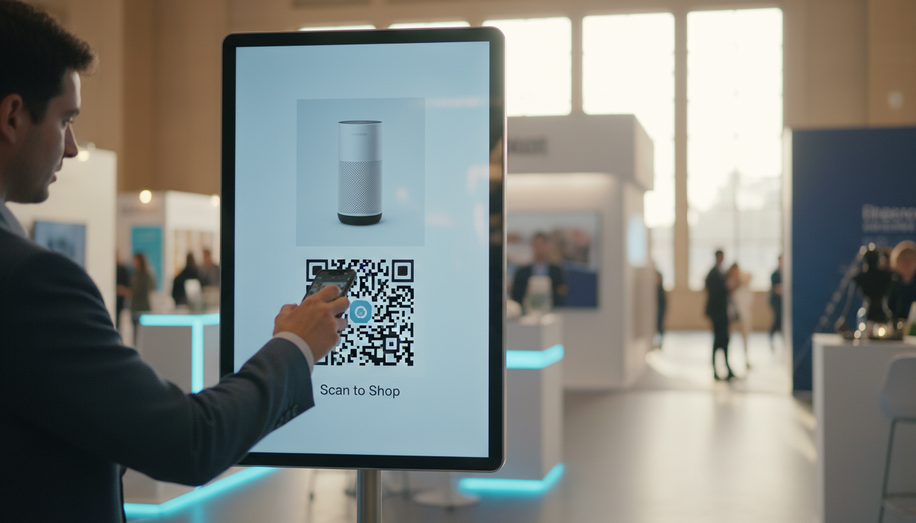

The modern marketing landscape demands a unified approach that seamlessly connects consumer touchpoints across physical and digital spaces. Out-of-home advertising has emerged as a critical bridge between online and offline marketing efforts, creating cohesive brand experiences that amplify both reach and impact.
The synergy between OOH and digital marketing represents a fundamental shift in how brands communicate with audiences. When integrated strategically, these channels reinforce each other in ways that neither can achieve independently. According to Location-Based Marketing Association data, OOH campaigns can increase website visits by 20 percent and sales by 10 percent, demonstrating the tangible value of treating outdoor advertising as a complement to digital strategies rather than a separate initiative.
Real-world case studies illustrate this principle in action. A delivery service leveraged digital OOH messaging on New York streets and subways to capture commuters when dinner planning was top of mind. The campaign generated a nine percent increase in brand awareness and a ten percent increase in app usage, proving that strategically placed outdoor messaging can directly drive digital engagement. Similarly, a streaming service used mobile measurement alongside OOH placements to track effectiveness, ultimately achieving a 20 percent lift in consumer awareness and a 22 percent increase in purchase consideration.
The power of OOH extends beyond awareness metrics. When mobile and outdoor advertising work in concert, the results become measurable and impressive. One fitness brand combining high-impact billboards with proximity targeting and behavioral audience segmentation saw a 260 percent lift in visitation rates among those exposed to both channels. This multiplicative effect occurs because consumers see the brand message in their physical environment, then receive targeted digital reinforcement when they browse online, creating multiple touchpoints that reinforce brand recall and intent.
Dynamic digital OOH solutions have intensified this integration potential. Coca-Cola’s temperature-responsive billboard campaign exemplified how real-time data can create contextually relevant outdoor advertising that drives immediate consumer action. When outdoor ads adapt to current conditions or consumer behavior, they become more relevant precisely when they appear, amplifying their effectiveness when paired with digital tracking and retargeting efforts.
The social amplification factor adds another dimension to OOH’s role in bridging online and offline experiences. When a major retailer implemented programmatic digital out-of-home advertising with interactive coupons across 88 displays near retail locations, the post-click response rate was six times higher than industry averages for online prospecting. Consumers moved directly from seeing the physical ad to engaging digitally, creating a seamless journey that traditional channels struggle to facilitate.
Integration extends to social media itself, where OOH campaigns generate earned media that extends beyond physical impressions. An organization promoting an animal testing petition used digital billboards and transit signage to drive online petition signatures, resulting in website traffic that tripled within 72 hours and campaign hashtag reach exceeding 1.6 million people. The outdoor placement created newsworthy moments that sparked social conversation, transforming a traditional advertising medium into a catalyst for digital engagement.
This convergence reflects a broader understanding that modern consumers don’t compartmentalize their media consumption. They move fluidly between physical and digital environments throughout their day, and brands that meet them consistently across these spaces create stronger impressions and drive better outcomes. When a consumer sees an OOH advertisement during their morning commute and then encounters related messaging through social media or search retargeting that evening, the cumulative effect reinforces brand messaging in ways that isolated efforts cannot achieve.
The measurement advantage cannot be overlooked. Modern OOH campaigns increasingly incorporate location-based tracking and attribution capabilities that connect outdoor exposure to online behavior and in-store visitation. This data-driven approach allows marketers to quantify the contribution of outdoor advertising to overall campaign performance, justifying investment and informing optimization strategies across all channels.
As brands navigate an increasingly fragmented media landscape, OOH advertising has positioned itself as an essential tool for creating cohesive experiences. By reinforcing online marketing efforts with strategic physical placements and leveraging technological capabilities that connect offline engagement to digital outcomes, brands can build comprehensive campaigns that resonate across consumer touchpoints and drive measurable results.