
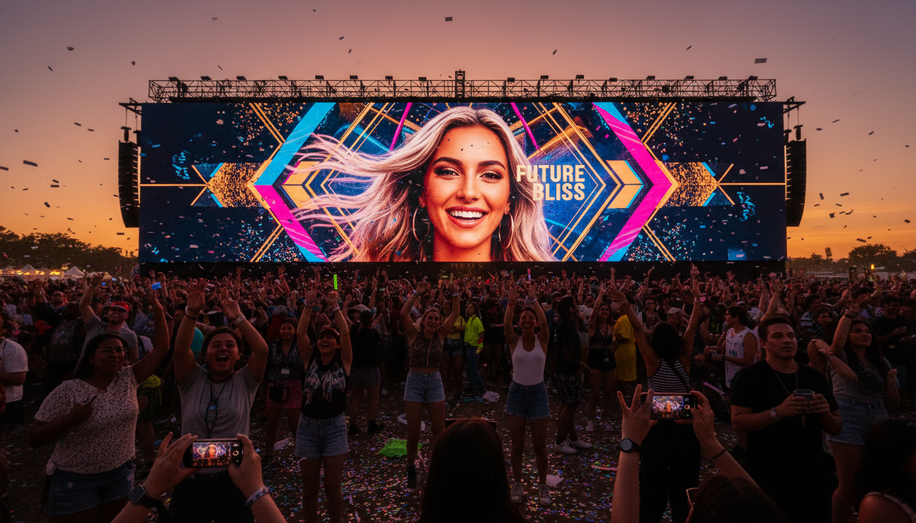

In the evolving landscape of advertising, out-of-home (OOH) campaigns are finding a powerful ally in influencer marketing, creating synergies that extend reach far beyond static billboards and transit wraps. Brands are increasingly blending the tangible impact of physical ads with the trusted voices of influencers to foster authenticity in an era where consumers crave genuine connections over polished pitches. This integration not only amplifies visibility but also bridges the gap between offline exposure and online engagement, turning passive viewers into active participants.
Consider the mechanics of this fusion. A billboard featuring a recognizable influencer’s face or a campaign hashtag can spark immediate recognition when that same influencer posts related content on Instagram or TikTok. Research shows OOH ads enhance digital performance by priming audiences; people who encounter a brand in public spaces are more likely to engage with its social media, boosting click-through rates and search volume. For instance, adding a simple hashtag to a transit ad invites passersby to share their own content, generating user-created amplification that feels organic rather than orchestrated.
Strategic timing elevates this partnership. Brands can align billboard placements with influencers’ content drops, particularly during high-traffic periods like rush hours or events where the influencer’s followers congregate. A fitness brand might position OOH near running trails while its partnered influencer launches a workout challenge video, creating an “echo effect” of consistent messaging across physical and digital realms. Geographic targeting adds precision: analytics from an influencer’s audience reveal hotspot locations, allowing billboards to appear exactly where fans live and commute, reinforcing the narrative in real time.
Authenticity lies at the heart of why this works. Influencers embody lifestyles that resonate deeply, lending credibility to OOH that generic ads often lack. In industries like outdoors, where passion drives purchases, influencers go beyond endorsements to showcase real adventures with a brand’s gear, making billboards feel like extensions of their personal stories. This symbiotic relationship—where creators pursue their passions while brands gain inspiring content—builds trust that salesy tactics cannot match. Consumers, skeptical of traditional ads, turn to these “local experts” for recommendations, with projections indicating influencer budgets could claim over 40% of ad spends by 2025.
Phygital strategies take it further, merging OOH with technology for seamless experiences. Digital out-of-home (DOOH) screens can display dynamic content tied to influencers’ live posts, while geofencing and beacons retarget billboard viewers on their mobiles. Imagine a DOOH ad in a mall prompting scans for an influencer’s exclusive discount code; this not only drives immediate action but also populates social feeds with branded content from attendees. On-ground activations amplify this: influencers hosting pop-ups near OOH installations draw crowds, turning events into shareable moments that extend the campaign’s life.
Cost-effectiveness seals the appeal. Negotiating bundled deals—billboard slots plus extended influencer posts—often yields discounts, especially with micro-influencers who deliver high engagement in niches at lower rates. Programmatic DOOH adds flexibility, enabling real-time tweaks based on influencer performance data, ensuring ads evolve with audience responses.
Real-world success stories underscore the potential. Outdoor brands have leveraged influencers for community-centric campaigns, using tutorials and user-generated content to broaden demographics while highlighting product stories over specs. Fitness and lifestyle sectors report heightened recall and conversions when billboards feature familiar faces, weaving narratives into daily routines. Even Gen Z, elusive to cookie-bound digital ads, responds to these integrated efforts, building loyalty through trusted voices in physical spaces.
Challenges persist, however. Measuring cross-channel impact requires tracking footfall, hashtag performance, sentiment, and conversions holistically. Not every influencer fits every OOH context; brands must prioritize those whose audiences align demographically and geographically for maximum ROI.
Yet the trajectory is clear: as consumers demand experiences blending digital trust with real-world tangibility, influencer-OOH integrations will define forward-thinking campaigns. Brands that master this—coordinating creatives, timing, and tech—unlock amplified reach and unshakeable authenticity, positioning themselves as cultural fixtures rather than fleeting impressions. In a crowded marketplace, this hybrid approach doesn’t just advertise; it immerses, engages, and endures.