
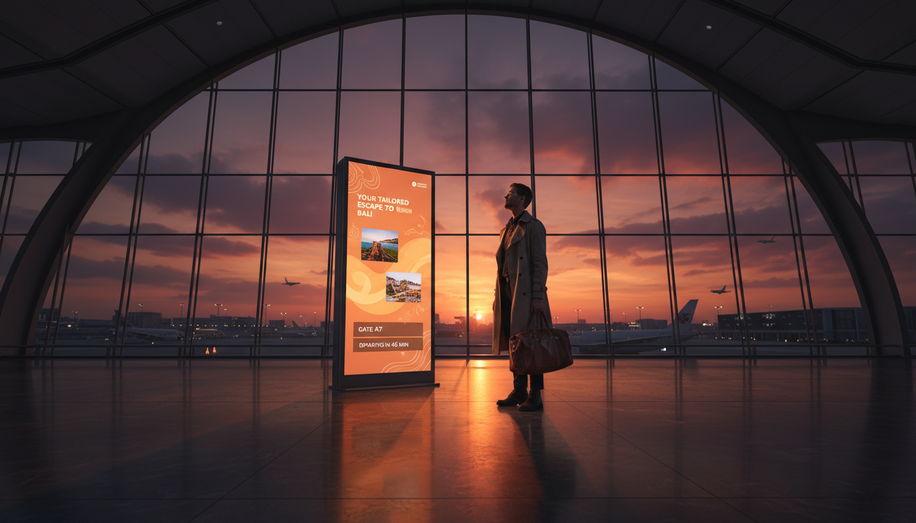

In the bustling streets of modern cities, where consumers navigate a constant barrage of digital noise, out-of-home (OOH) advertising is reclaiming relevance through the unlikely power of personalization. Once dismissed as a blunt instrument for mass messaging, OOH is evolving into a dynamic medium that tailors experiences to individual passersby, fostering loyalty that static billboards could only dream of. By leveraging real-time data, location intelligence, and interactive technologies, brands are turning fleeting glances into lasting connections, proving that personalization isn’t just a digital luxury—it’s a retention powerhouse for OOH media.
The foundation of this shift lies in digital out-of-home (DOOH) platforms, which enable content to adapt instantaneously to context. Imagine a billboard in Times Square that swaps promotions based on the weather: raincoats during downpours or iced drinks on scorching days. Such dynamic adjustments, triggered by external factors like time, traffic, or local events, boost relevance by up to 43 percent, according to programmatic OOH analytics. Coca-Cola’s “Share a Coke” campaign exemplified this early on, using digital printing to display personalized names on bottles, sparking social sharing and a sense of individual belonging that drove repeat purchases. Consumers don’t just see the ad; they feel seen, creating an emotional hook that digital screens alone struggle to replicate.
Geotargeting and hyperlocal strategies take this further, pinpointing audiences with surgical precision. Advertisers now use geofencing to draw virtual boundaries around OOH sites, triggering complementary mobile ads for devices that linger nearby. This sequential messaging—pairing a physical billboard with a follow-up push notification—yields conversion rates 3.9 times higher than isolated mobile campaigns. Nike’s 2019 Amsterdam AR stunt blurred these lines entirely: passersby scanned a virtual store on a billboard via smartphone, browsing and buying limited-edition sneakers on the spot. The result? Buzz that extended beyond the street, with users sharing their “personal” shopping triumphs online, cementing brand affinity. By aligning ads with a consumer’s immediate environment—promoting breakfast near morning commutes or event tie-ins during games—OOH transforms from interruption to invitation.
Interactive elements amplify this personalization, inviting participation that static media can’t match. Beacon technology, low-energy Bluetooth devices embedded in displays, detects nearby smartphones to measure dwell time and serve tailored content. American Eagle’s Times Square campaign using beacons reported 25 percent higher engagement, as proximity unlocked exclusive offers or AR games visible only to those close enough. Gesture recognition and touch-enabled screens in transit hubs go deeper, responding to movements or swipes for customized interactions—extending average engagement from seconds to over two minutes, as Pepsi’s AR billboards demonstrated by turning ads into playable environments. These moments of agency make consumers active participants, not passive viewers, building trust and recall that translate to retention. Research shows weather-appropriate messaging alone lifts item recall by 23 percent, while time-of-day adaptations enhance perceived relevance by 18 percent.
Yet personalization’s true retention magic emerges in omnichannel integration, where OOH becomes a memorable touchpoint in broader journeys. Retargeting links billboard exposures to digital follow-ups using anonymized device data, ensuring the conversation continues seamlessly. Brands like those employing computer vision analyze viewer demographics in real-time—subtly shifting messaging for families versus commuters—without invasive tracking. This data-driven approach, powered by platforms tracking impressions and behaviors via mobile geo-data from firms like PlaceIQ, allows real-time optimization. The payoff? Deeper relationships. Accenture’s index reveals nearly 70 percent of consumers crave personalized communications, and OOH delivers it at scale in the physical world, where attention is undivided.
Critics might argue OOH’s ephemerality undermines retention, but evidence counters this. Programmatic DOOH’s flexibility—swapping creatives hourly based on audience flows—outpaces traditional media, with engagement spikes of 15-25 percent from dynamic elements like motion graphics or social feeds. Guerrilla extensions, such as AR overlays or user-generated content on billboards, further personalize by crowdsourcing relevance, turning consumers into co-creators. Penneco Outdoor emphasizes psychographic targeting beyond demographics, placing ads where values and behaviors intersect, like family-oriented spots in suburban routes.
Looking ahead, as privacy regulations tighten, contextual personalization—rooted in weather, location, and events rather than cookies—offers a compliant path forward. Brands succeeding here, from quick-service restaurants adapting menus to real-time traffic calming complex messages for safer comprehension, prove OOH’s evolution. In an era of ad fatigue, personalized OOH doesn’t just capture eyes; it captures hearts, turning one-time viewers into loyal advocates. By making the monumental feel intimate, this medium is redefining consumer retention, one tailored glance at a time.