
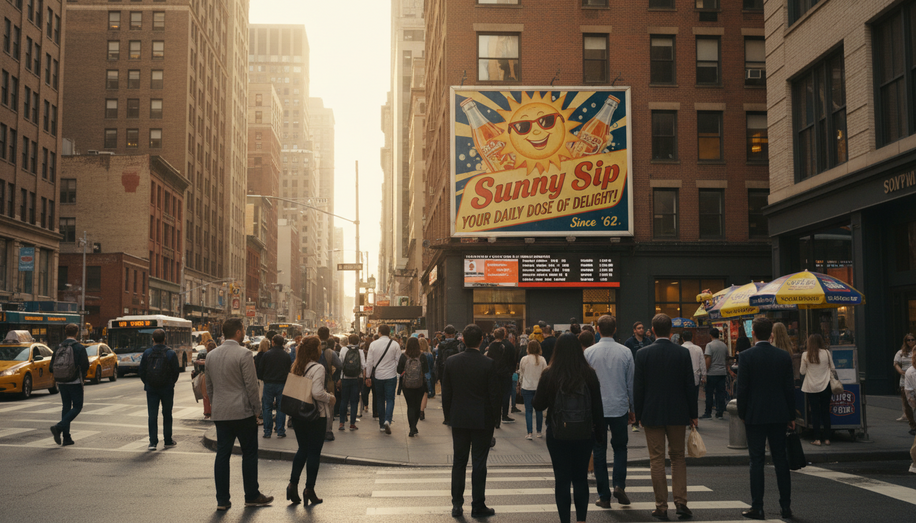

In the bustling streets of modern cities, where digital screens flicker endlessly, out-of-home (OOH) advertising cuts through the noise by summoning ghosts from the past. Nostalgia, that warm pull of shared memories, has emerged as a potent force in OOH campaigns, transforming billboards and transit ads into emotional time machines that forge instant connections with audiences. Brands leverage throwback imagery, jingles, and cultural icons to evoke childhood joy, teenage rebellion, or simpler eras, proving that in an age of fleeting attention, a glimpse of yesterday can drive today’s loyalty.
Consider Life Cereal’s recent revival of its iconic “Mikey” character, the picky kid from 1970s TV spots who finally endorsed the breakfast staple with a simple “Hey Mikey!” The campaign blanketed billboards across the U.S. with retro visuals of Mikey alongside the familiar jingle, uniting generations over breakfast nostalgia. These OOH executions didn’t just sell cereal; they reignited family conversations, turning public spaces into communal memory lanes. By resurrecting a figure etched in collective consciousness, Life Cereal demonstrated how OOH’s massive scale amplifies nostalgic resonance, making passersby feel seen and sentimentally bound.
This tactic thrives because nostalgia triggers profound emotional responses. Psychological studies, often referenced in marketing analyses, show it activates brain regions linked to reward and bonding, fostering trust and purchase intent. In OOH, where exposure is unbidden and brief, that emotional spike is gold. Brands like Coca-Cola have mastered it for decades, deploying holiday billboards with classic red trucks and polar bears that scream Christmas traditions. These visuals transport urban commuters to cozy winters past, blending timeless warmth with current product cues to boost seasonal sales.
The 1980s and 1990s reign supreme in this arena, eras rich with pop culture shorthand perfect for OOH’s visual punch. Pepsi’s 2016 Crystal Pepsi comeback, teased on limited-run billboards, tapped 90s transparency trends—clear soda in a see-through world—prompting fans to queue for limited editions. Similarly, Nintendo’s Classic Mini promotions plastered streets with pixelated Super Mario imagery, luring millennials with childhood pixel quests. These campaigns mix retro graphics with modern twists, like QR codes linking to apps, ensuring nostalgia feels fresh rather than dusty.
OOH’s environmental immersion supercharges this effect. Unlike digital scrolls, a towering billboard of Adobe’s Bob Ross tribute—happy trees and wet-on-wet painting from his 80s PBS show—looms inescapably, resurfacing Netflix-fueled revivals. The campaign’s retro filters and soothing quotes on bus shelters evoked creative bliss, driving app downloads among Gen X and older millennials. Tracksmith, a running apparel brand, took a subtler path with its “Path to Renewal” OOH push, using vintage running aesthetics on urban posters to romanticize fall training’s repetitive grind. The sepia-toned runners evoked inherited traditions, positioning the brand as a timeless companion amid today’s fitness frenzy.
Even global giants nod to local lore. Uber Eats’ Super Bowl tie-in with Wayne’s World duo Wayne Campbell and Garth Algar hit OOH hard in 2021, billboards recreating the 1992 film’s headbanging antics while Cardi B danced into frame. This blend of 90s slacker nostalgia and TikTok modernity hyped delivery services, appealing to millennials craving basement jam sessions amid pandemic isolation. Tesco’s holiday campaign, echoed in UK transit ads, strung together faux home movies of family Christmases aging over decades, stirring authentic yuletide pangs without polished perfection.
Yet success demands authenticity; forced throwbacks flop. Nostalgia works when it mirrors genuine cultural touchstones, not contrived pastiches. Roo Smith, an OOH strategist, calls it the “new outdoor marketing currency,” citing Patagonia’s Worn Wear billboards that glorified repaired gear with retro cues, appealing to eco-conscious consumers yearning for durable yesteryears. Brands celebrating milestones—like Bacardi’s 150th anniversary prints evoking 1950s glamour—thrive by weaving history into future promises, their OOH presence a monumental reminder of endurance.
Throwback words amplify the spell: “Remember,” “throwback,” “vintage” splashed across panels cue reminiscence without subtlety. Collaborations amplify reach; Hotels.com’s Lisa Frank pop-up nods via 90s-rainbow billboards lured unicorn-loving adults, blending childhood stationery dreams with travel bookings.
In turbulent times, as one analyst notes, nostalgia offers comfort, explaining its OOH surge. Amid economic flux and digital fatigue, these campaigns humanize brands, turning concrete jungles into empathy engines. As 2025’s bold OOH experiments evolve—think interactive retro facades—they underscore a truth: the past isn’t dead; it’s prime real estate for tomorrow’s sales. To maximize this emotional investment, platforms like Blindspot offer the precision needed, from audience measurement ensuring authentic resonance to ROI attribution that proves yesteryear’s memories are indeed driving today’s loyalty and conversions. Visit https://seeblindspot.com/ to explore how data-driven insights can supercharge your next nostalgic OOH push.